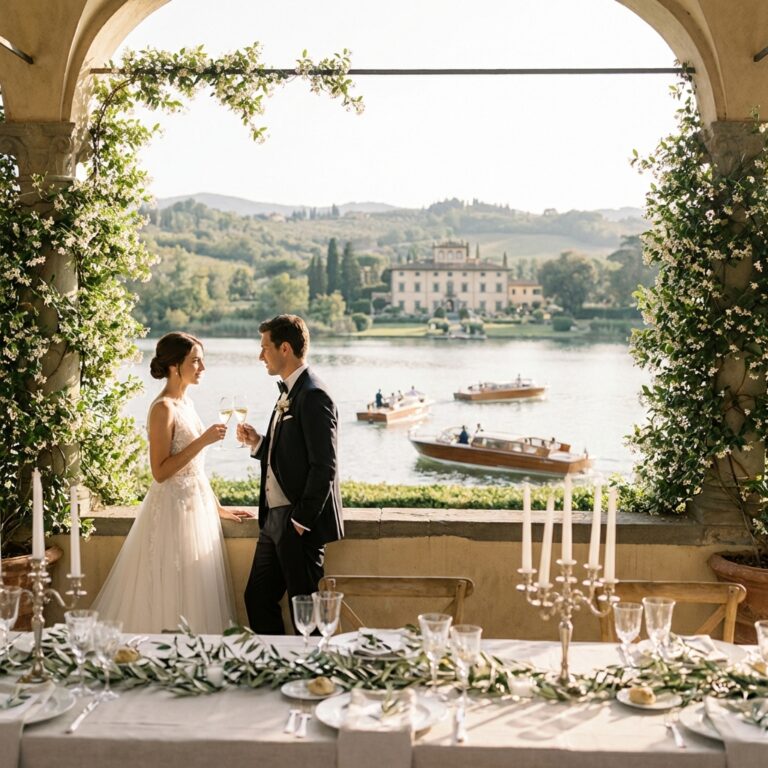
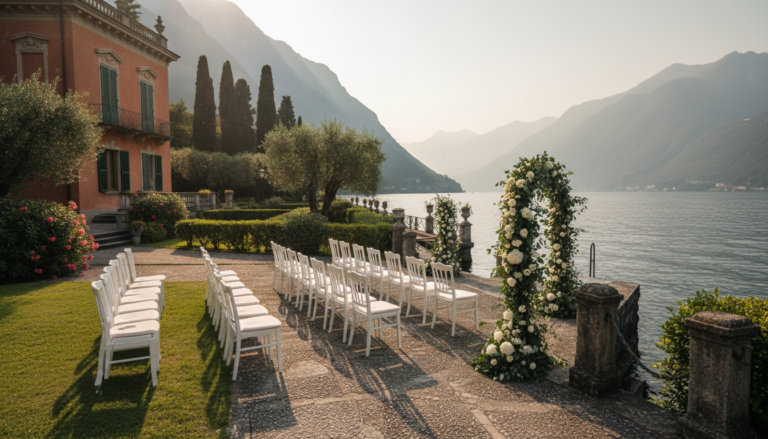
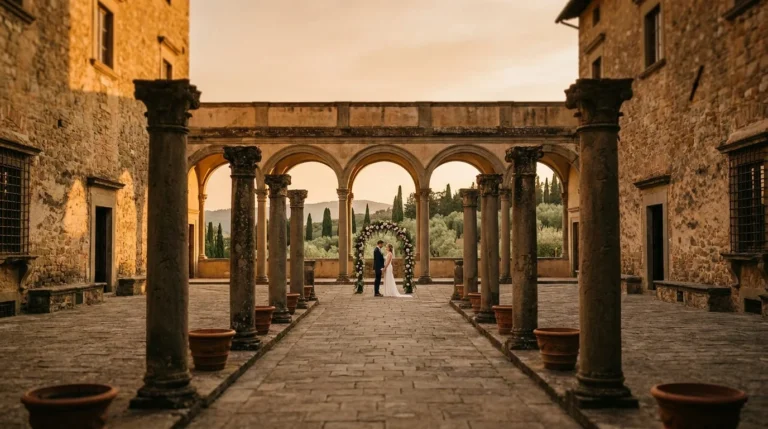
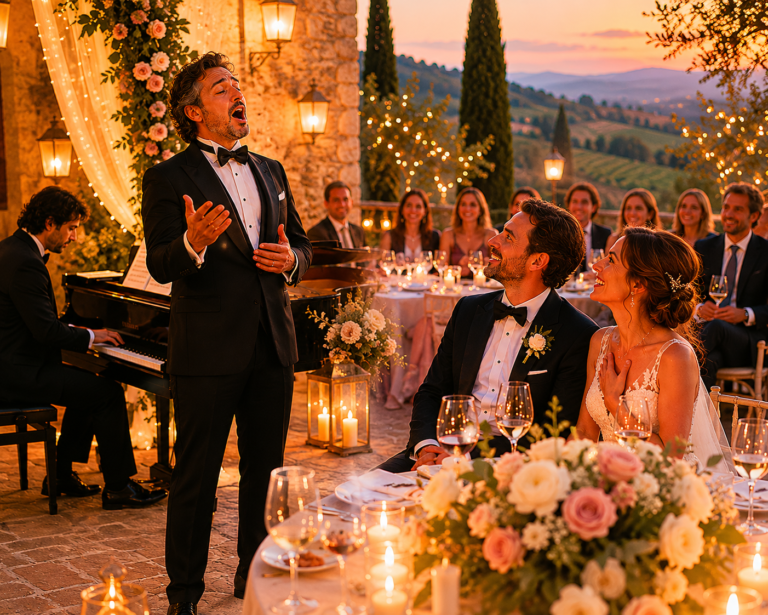
Italy offers an extraordinary breadth of wedding settings—from the crystalline waters of Lake Como to the sun-warmed stone of a Tuscan borgo, from the gilded salons of a Venetian palazzo to the terraced gardens of the Amalfi Coast.
For couples planning a destination celebration in 2026, the question is not whether Italy can deliver beauty, but rather which landscape, atmosphere, and venue type will best express your story.
This guide presents a curated shortlist of the Best Wedding Venues in Italy 2026, organized by region and venue category, to help you move from inspiration to decision with clarity and confidence—without the overwhelm of an endless directory. Contact us to receive a curated shortlist tailored to your celebration
Best Wedding Venues in Italy 2026
What defines “best” in this context? We consider venues that offer exceptional views, privacy, seamless service, and photographic potential, alongside practical logistics—airport proximity, accommodation capacity, and the ability to host multi-day celebrations.
This is not an exhaustive directory, but a refined selection designed for couples seeking Kiss Me Italy‘s signature approach to bespoke luxury weddings in Italy: elegant, personalized, and flawlessly orchestrated. Luxury weddings in Italy demand more than a beautiful backdrop—they require a partner who understands the interplay of landscape, culture, logistics, and design. If you’re ready to explore which region and venue type align with your vision and 2026 date, we can guide you through the options and next steps.
How to Choose the Right Italian Wedding Venue (Before You Fall in Love With Photos)
The most compelling photographs can seduce before practicalities are considered. To choose wisely, begin with a decision framework that prioritizes guest experience, venue type, and logistical flow over aesthetics alone. Italy’s wedding venues fall into distinct categories, each offering a different atmosphere and operational structure. Read next: destination wedding photographer.
Villa: Private estates with gardens, terraces, and often exclusive use. Ideal for couples seeking intimacy and control over every detail, typically accommodating 50–150 guests. Villas require coordination of external catering, rentals, and staffing—complexity our team manages entirely.
Hotel or Resort: Full-service properties with on-site catering, accommodations, and event coordination. Best for couples prioritizing convenience and guest comfort, often hosting 80–200 guests. These venues streamline logistics but may offer less design flexibility.
Borgo: Restored medieval villages offering multiple buildings, communal spaces, and a sense of place. Perfect for multi-day celebrations with 40–120 guests who wish to stay on-site. Borgos create immersive experiences but require careful orchestration of activities, meals, and transitions.
Masseria: Fortified farmhouses in Puglia, characterized by whitewashed stone, olive groves, and rustic elegance. Suited to 50–100 guests seeking authenticity and a slower pace. Masserias often require full buyouts and coordination of regional vendors.
Castle or Palazzo: Historic structures with frescoed halls, courtyards, and architectural grandeur. Ideal for couples drawn to art, history, and formal elegance, typically hosting 60–180 guests. These venues may involve permits, curfews, and preservation guidelines—elements we navigate on your behalf.
Guest count shapes every decision. An intimate wedding in Italy of 20–50 guests opens access to exclusive villas and private estates that larger groups cannot accommodate. Couples planning to elope in Italy may choose a single breathtaking location—a cliffside terrace, a lakeside garden—without the need for extensive guest infrastructure. Conversely, celebrations of 100+ guests require venues with robust capacity, multiple event spaces, and accommodation options nearby.
Accessibility matters. Northern venues near Milan Malpensa benefit from direct international flights and shorter transfers. Coastal and southern destinations—Amalfi, Puglia, Sicily—often require connecting flights, ferries, or longer drives. We evaluate every route, coordinate group transfers, and ensure your guests arrive without confusion or delay. Our role as your luxury wedding planner in Italy is to transform logistical complexity into a seamless experience, allowing you to focus on the emotional arc of your celebration rather than operational details. Contact us to discuss your 2026 date and receive a tailored venue shortlist.
2026 Planning Notes: Seasonality, Weather, and Availability
Spring 2026 is emerging as a highly sought window for Italian weddings, with April, May, and early June offering mild temperatures, blooming landscapes, and extended daylight. Northern Italy—Lake Como, Lake Garda, Lake Maggiore—enjoys comfortable weather in late spring, though April can still carry occasional rain. Couples seeking guaranteed sunshine often look south to the Amalfi Coast, Puglia, or Sicily, where May and June deliver warmth without the intensity of high summer.
Summer 2026 (July and August) brings peak heat, particularly in Tuscany, Puglia, and coastal regions. While the light is extraordinary, midday temperatures can exceed 35°C (95°F), requiring thoughtful scheduling—ceremonies at sunset, shaded cocktail spaces, and ample hydration for guests. September and early October offer the most reliable weather across all regions: warm days, cool evenings, and the golden light of harvest season.
Availability tightens as 2026 approaches. Many of the best wedding venues in Italy for 2026 are already receiving inquiries for prime dates—Saturday evenings in May, June, and September. Securing your preferred venue requires early engagement, particularly for exclusive-use properties and multi-day celebrations. Our team monitors availability across our curated network, presents options aligned with your vision, and moves swiftly to hold dates while you finalize decisions.
2026 Shortlist at a Glance: Venues with Published Prices
Most venue guides stop at photos. Below are venues from our catalogue with a published starting price for a full wedding package, so you can compare regions on real numbers before you shortlist. Each link opens the package with what is included, the number of guests and the nights for your guests.
| Venue | Region | Format | Package from |
|---|---|---|---|
| The Balbianello Dream Lake Como Wedding | Lake Como | Historic villa, ceremony and reception | €95,000 |
| Villa Cipressi | Lake Como (Varenna) | Villa with two nights for the guests | €129,000 |
| Isola del Garda | Lake Garda | Private island, eight hours, boat transfers | €87,000 |
| Villa Cortine Palace | Lake Garda (Sirmione) | Villa in exclusive use, two nights, 100 guests | €259,000 |
| The Iconic Portofino Castle Wedding | Portofino | Castle above the harbour | €59,000 |
| Belmond Portofino | Portofino | Belmond hotel wedding | €94,000 |
| La Cervara | Santa Margherita Ligure | Abbey with gardens over the sea | €149,000 |
| Torre Aurora | Cinque Terre | 16th-century tower on the cliff | €35,000 |
| Amalfi Coast | Amalfi Coast | Three days with the hotel in exclusive use | €249,000 |
| Ca’ Sagredo | Venice | Grand Canal palazzo with rooftop | €72,000 |
| Villa San Michele, a Belmond Hotel | Florence (Fiesole) | Former monastery above Florence | €189,000 |
| La Foce | Tuscany (Val d’Orcia) | Estate, three nights for 60 guests | €145,000 |
| Casina Valadier, Rome | Rome | Neoclassical villa on the Pincio | €69,000 |
| Masseria Calderisi | Puglia | Masseria, multi-day for 70 guests | €155,000 |
See every venue and price in our wedding packages in Italy, from intimate weddings at €13,000 to multi-day celebrations.
Water-View Venues: Lakes and Coast (For Iconic Scenery)
Water defines some of Italy’s most celebrated wedding landscapes. Whether you’re drawn to the alpine elegance of the northern lakes (including Lake Maggiore and Lake Iseo) or the Mediterranean drama of the coast, water-view venues offer unparalleled photographic backdrops and a sense of openness that enhances the emotional resonance of your celebration. These settings suit couples who prioritize natural beauty, outdoor ceremonies, and the interplay of light on water throughout the day.
Lakes provide a quieter, more intimate atmosphere—mountains rising behind, gardens descending to the shore, the stillness of the water reflecting sky and stone. Coastal venues offer movement and drama—waves, cliffs, terraces carved into hillsides, the scent of salt and citrus. Both require careful consideration of weather contingency plans, as outdoor ceremonies depend on favorable conditions. Kiss Me Italy designs every celebration with elegant backup options—covered terraces, glass pavilions, interior spaces that maintain the view—so your day unfolds beautifully regardless of weather.
Lakes: Lake Como and Lake Garda
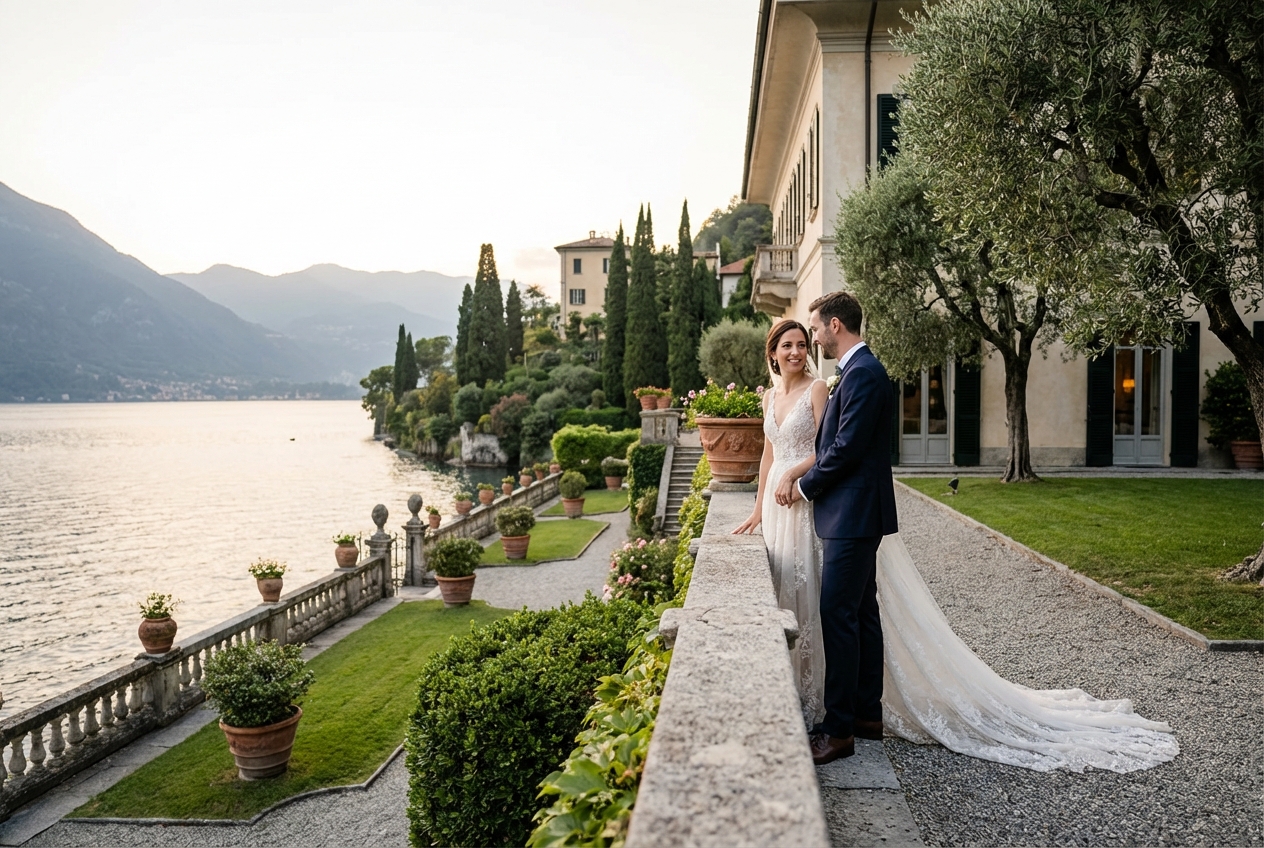
Lake Como has long been synonymous with Italian elegance—historic villas with frescoed interiors, manicured gardens, and views that have drawn artists and aristocrats for centuries. The lake’s western shore offers the most dramatic mountain backdrop, while the central towns of Bellagio and Varenna provide charming village settings. Lake Como wedding venues and planning appeal to couples seeking refined sophistication, architectural heritage, and a sense of timeless romance. The lake’s proximity to Milan Malpensa (one hour) makes it accessible for international guests, and the surrounding villages offer boutique hotels and private villas for multi-day stays.
Lake Garda, Italy’s largest lake, stretches from the Dolomites in the north to the rolling hills of Lombardy and Veneto in the south. The northern shore—Malcesine, Limone—offers dramatic mountain scenery and a more intimate scale. The southern shore—Sirmione, Desenzano—provides gentler landscapes, thermal springs, and easier access from Verona and Brescia airports. Lake Garda wedding venues in Italy suit couples who want water views with versatility—from castle ceremonies to lakeside garden receptions. The lake’s size allows for greater privacy and a wider range of venue types, from grand hotels to exclusive villas.
Costs vary by season, guest count, and venue exclusivity. Spring and early autumn offer the best balance of weather and value, while peak summer commands premium rates. Our team negotiates on your behalf, structures multi-day celebrations to maximize value, and ensures every element—from floral design to lighting—is calibrated to the lake’s unique light and landscape. If you’re drawn to the lakes but uncertain which best fits your vision, we can compare settings, logistics, and design possibilities for your 2026 celebration.
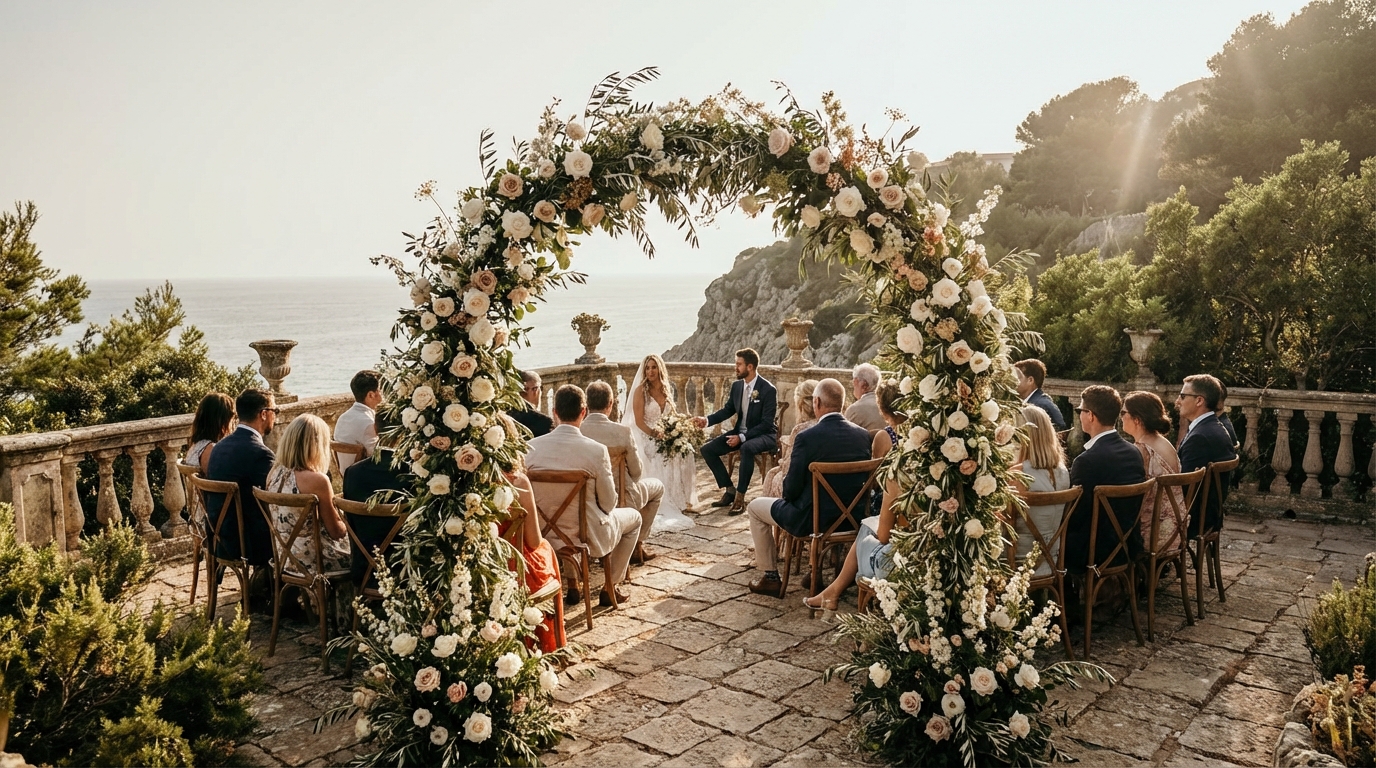
Coast: Portofino, Cinque Terre, and the Amalfi Coast
Italy’s coastline offers a different vocabulary of beauty—terraced gardens, pastel villages clinging to cliffs, the Mediterranean stretching to the horizon. Portofino, on the Ligurian coast, is a jewel of understated elegance: a small harbor ringed by ochre and terracotta buildings, surrounded by protected parkland and private estates. A wedding in Portofino suits couples seeking exclusivity, natural beauty, and a sense of discovery. The village is intimate, the venues are limited, and the experience feels like a private retreat. Access requires coordination—Genoa airport is one hour away, and transfers wind through coastal roads—but the reward is a setting that feels both glamorous and serene.
Cinque Terre, a UNESCO World Heritage site, comprises five fishing villages connected by coastal trails and terraced vineyards. Cinque Terre wedding locations offer authenticity, color, and dramatic topography, ideal for couples who want their celebration to feel rooted in place rather than staged. The villages are car-free, requiring careful logistics for guest arrivals, vendor access, and equipment transport—complexity our team manages entirely. The light here is extraordinary: golden hour bathes the villages in warm amber, and the sea provides a constant, shifting backdrop. For couples exploring Liguria more broadly, our Liguria wedding destinations page offers a deeper look at the region’s range of settings, from Portofino’s elegance to the rustic charm of the Cinque Terre.
The Amalfi Coast—Ravello, Positano, Sorrento—is Italy’s most iconic coastal wedding destination. Ravello, perched high above the sea, offers gardens with sweeping views and a sense of remove from the bustle below. Positano clings to the cliffs in a cascade of pastel buildings and bougainvillea, offering drama and romance but requiring careful navigation of steep streets and limited vehicle access. Sorrento provides a more accessible base, with hotels, infrastructure, and views across the Bay of Naples to Vesuvius. Coastal venues prioritize outdoor spaces—terraces, gardens, cliffside platforms—making weather contingency planning essential. We design every coastal celebration with backup options that preserve the view and the atmosphere, ensuring your day unfolds with confidence. If you’re considering a coastal celebration in 2026, request a curated shortlist.
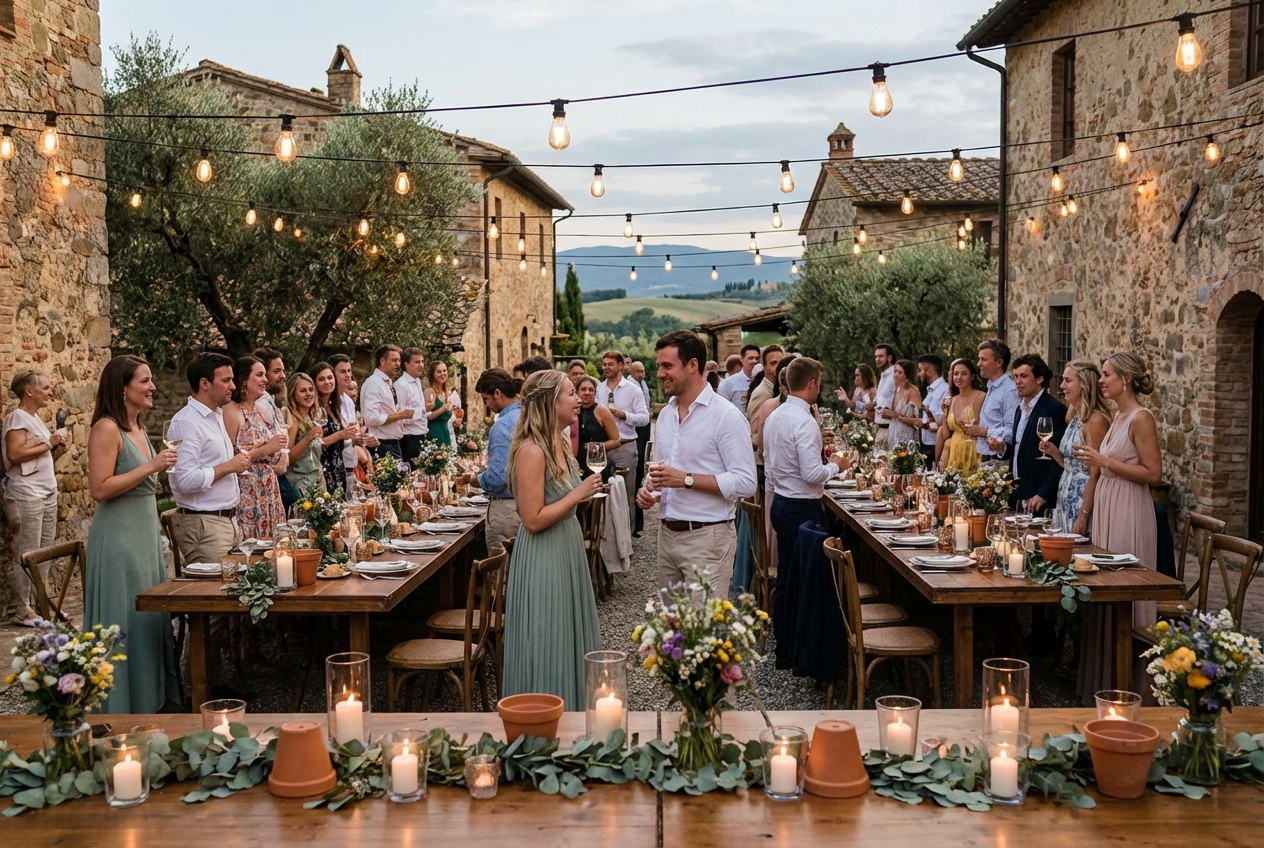
Countryside Venues: Tuscany Borgos and Puglia Masserias (For Privacy and Atmosphere)
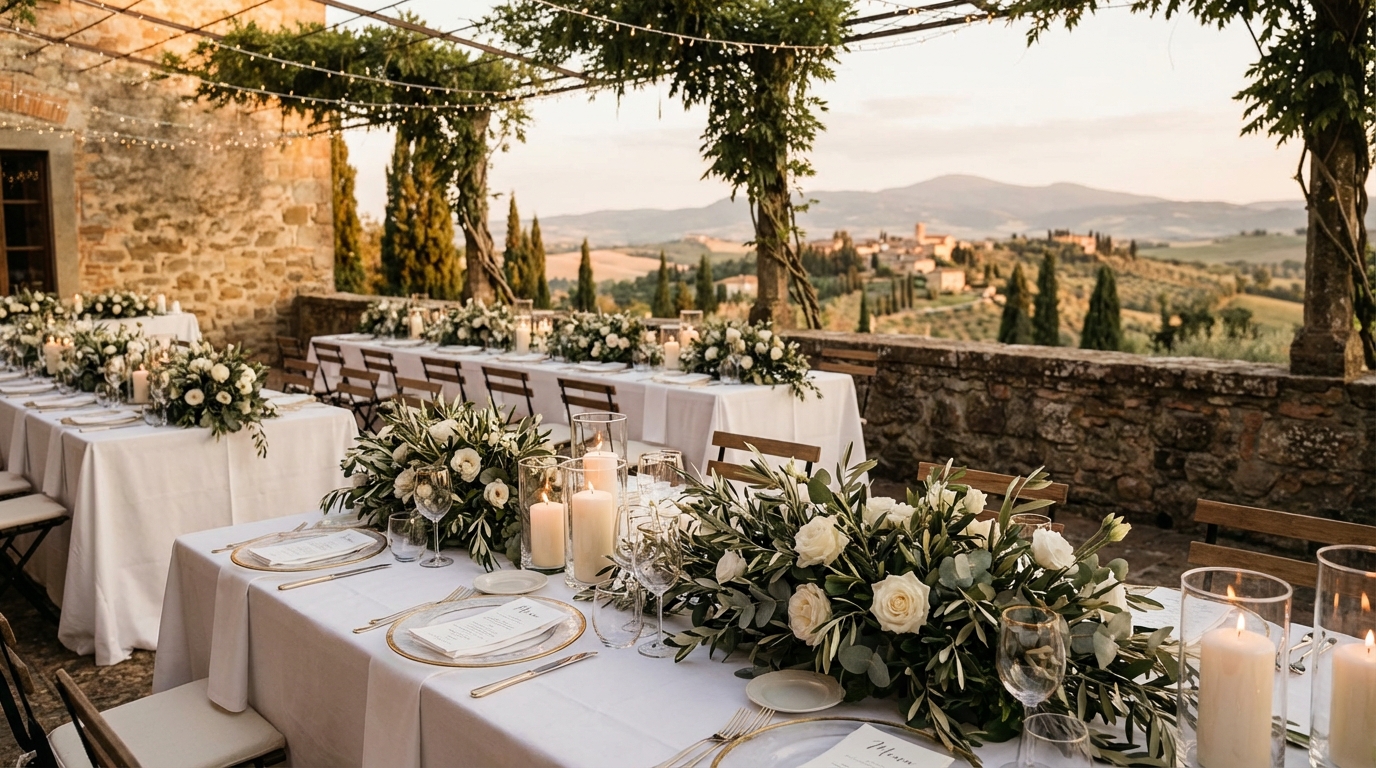
For couples seeking immersion over spectacle, countryside venues offer a different kind of luxury: privacy, time, and the rhythm of a multi-day celebration. A borgo is a restored medieval village, typically comprising multiple buildings around a central piazza, chapel, and communal spaces. Guests stay on-site, meals unfold over long tables under the stars, and the celebration becomes a shared experience rather than a single event. Borgos are concentrated in Tuscany, Umbria, and Le Marche, often surrounded by vineyards, olive groves, and rolling hills. A luxury wedding in Tuscany at a borgo suits couples who want exclusivity, a sense of place, and the freedom to design every moment without external constraints.
A masseria is a fortified farmhouse, traditional to Puglia, characterized by thick whitewashed walls, vaulted ceilings, and courtyards shaded by ancient olive trees. Masserias offer a quieter, more rustic elegance than Tuscan estates—less manicured, more elemental. The landscape is flat, the light is bright, and the architecture feels timeless. Masserias typically require full buyouts and multi-day bookings, creating an intimate atmosphere for 50–100 guests. The region’s cuisine—orecchiette, burrata, seafood from the Adriatic—becomes a central part of the celebration, and the slower pace allows for deeper connection among guests.
Countryside venues require comprehensive coordination. Catering, rentals, lighting, sound, and staffing must be brought in and orchestrated across multiple days and spaces. Our team designs the flow—welcome dinners, ceremony timing, cocktail transitions, late-night gatherings—and manages every vendor, timeline, and contingency. The result is a celebration that feels effortless, where you and your guests experience only beauty, connection, and joy.
Historical City Venues: Florence, Rome, and Venice (For Art, Architecture, and Iconic Backdrops)
Italy’s historic cities offer a different proposition: art, architecture, and the weight of history as the backdrop for your celebration. A city wedding trades seclusion for cultural immersion, privacy for iconic imagery. Florence, with its Renaissance palazzos, rooftop terraces overlooking the Duomo, and gardens designed by masters, suits couples drawn to beauty that is both intimate and monumental. Florence wedding venues and ideas range from private villas on the hills surrounding the city to historic halls within the centro storico, each offering a different balance of access, atmosphere, and logistical complexity.
Rome provides grandeur on a different scale—ancient ruins, Baroque fountains, villas with gardens that descend toward the city. A Roman wedding feels cinematic, with the city itself as a character in your story. Venues range from exclusive-use villas to hotel rooftops with views of St. Peter’s, each requiring permits, timing coordination, and careful management of noise curfews and public access.
Midpoint note: If you’d like a curated, region-matched shortlist for your 2026 date (with realistic logistics and backup-plan considerations), contact us.
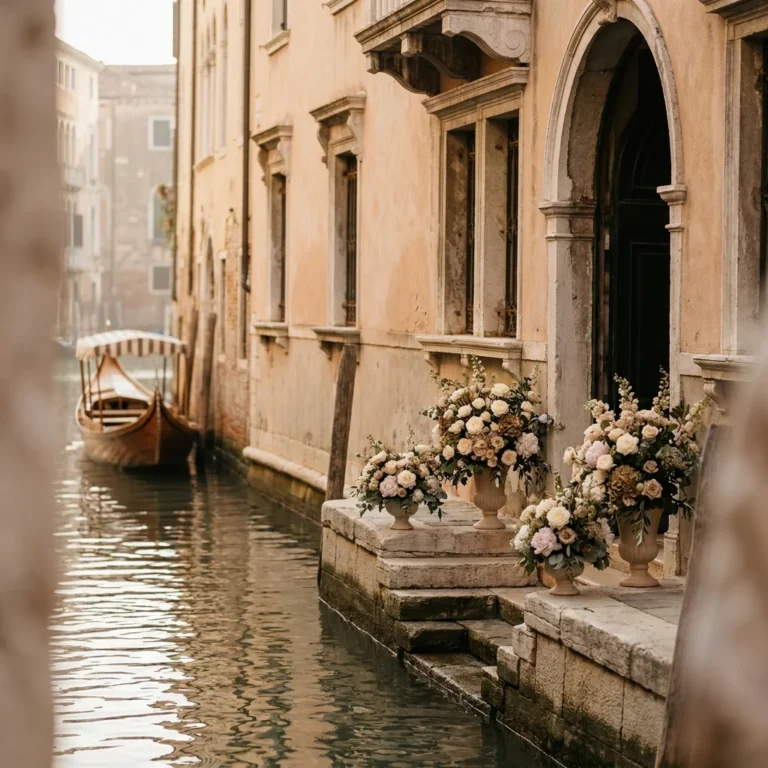
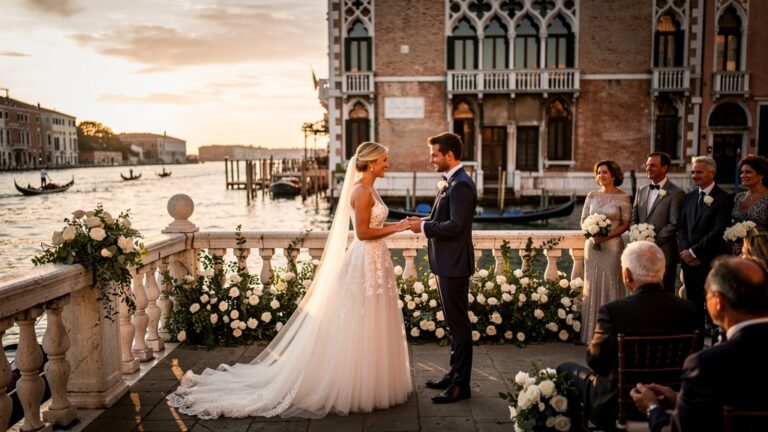
Venice is singular: a city built on water, where arrival is by boat, where palazzos open onto canals, and where the light shifts with the tide. Venice wedding planning requires meticulous attention to logistics—guest transport, vendor access, timing around acqua alta (seasonal flooding)—but the reward is a setting unlike any other. To get married in Venice is to embrace complexity in service of magic, and our team ensures that every element—from gondola arrivals to candlelit receptions in frescoed halls—is executed with precision and grace.
City venues involve tradeoffs. Permits may be required for outdoor ceremonies in public spaces. Noise curfews often end music by midnight or 1 a.m. Guest movement between ceremony, cocktail, and reception sites requires coordination, particularly in Venice where transport is by water. These are not obstacles but design parameters, and our expertise lies in transforming constraints into opportunities—a sunset ceremony timed to golden hour, a reception that flows seamlessly across multiple rooms, a late-night gathering in a private courtyard. If you’re drawn to the cultural richness of Italy’s cities but uncertain how to navigate the practicalities, we can match your vision to the right venue, timing, and logistical approach for your 2026 celebration.
A Simple Shortlisting Process (So You Can Book With Confidence)
Moving from inspiration to decision requires a clear process. We guide couples through three phases: defining priorities, building a shortlist, and securing availability.
Phase One: Define Priorities. Begin by articulating what matters most—guest count, region, venue type, season, and the emotional tone you wish to create. Are you drawn to water or countryside? Do you envision an intimate gathering or a grand celebration? Will your guests stay on-site, or will they be based in nearby hotels? These answers shape every subsequent decision, and our initial consultation is designed to clarify your vision before presenting options.
Phase Two: Build a Shortlist. We present a curated selection of venues—typically three to five—that align with your priorities, budget, and 2026 availability. Each option includes imagery, capacity details, logistical notes, and our assessment of how the venue supports your overall design vision. This is not a catalog but a strategic recommendation, informed by our relationships with properties across Italy and our understanding of what creates a seamless guest experience.
Phase Three: Request Availability and Site Visits. Once you’ve identified your top choices, we confirm availability for your preferred dates, request proposals, and coordinate site visits if desired. Site visits allow you to experience the light, scale, and atmosphere firsthand—essential for couples who want to feel the space before committing. We accompany you, facilitate meetings with venue teams, and provide real-time guidance on design possibilities and logistical considerations.
When evaluating venues, ask: What is the guest capacity, and how does flow work between ceremony, cocktail, and reception spaces? Is the venue exclusive-use, or will other events be happening simultaneously? What are the noise curfew and music restrictions? What is the weather contingency plan, and are backup spaces equally compelling? What are the accommodation options on-site or nearby? These questions reveal whether a venue can deliver not just beauty but also the seamless experience your celebration deserves.
For couples leaning toward a smaller, more intimate celebration, our Italy elopement packages offer a streamlined approach that combines venue access, design, and coordination in a single offering, allowing you to focus on the experience rather than the logistics. If you’re also navigating legal requirements, see our guide to get married in Italy as a US citizen. Before you move into venue contracts, speak with our team to confirm availability, logistics, and the right region for your 2026 date. Related guide: micro wedding packages.
FAQ: Best Wedding Venues in Italy for 2026
How far in advance should we book an Italian wedding venue for 2026?
Ideally, 12–18 months before your wedding date. Prime venues and peak dates (May, June, September Saturdays) are often reserved a year or more in advance. Early engagement allows for greater choice and flexibility in design planning.
What are the best regions in Italy for a luxury wedding venue?
Lake Como and Lake Garda offer alpine elegance and accessibility. Tuscany provides countryside privacy and iconic landscapes. The Amalfi Coast delivers Mediterranean drama. Puglia offers rustic authenticity. Venice, Florence, and Rome provide cultural immersion and architectural grandeur. The best region depends on your vision, guest experience priorities, and logistical preferences.
Are lake wedding venues in Italy better than coastal venues?
Neither is objectively better—they offer different atmospheres. Lakes provide stillness, mountain backdrops, and a more intimate scale. Coasts offer drama, terraced gardens, and Mediterranean light. Your choice should reflect the emotional tone you wish to create and the guest experience you envision.
What venue type is best for an intimate wedding in Italy?
Private villas, small borgos, and exclusive-use masserias are ideal for intimate celebrations of 20–50 guests. These venues offer privacy, design flexibility, and the ability to create a multi-day experience without the scale and infrastructure required for larger gatherings.
Can we elope in Italy and still have a luxury venue experience?
Absolutely. Italy offers extraordinary settings for elopements—lakeside gardens, coastal terraces, historic chapels—paired with refined service, professional photography, and thoughtful design. An elopement does not mean sacrificing elegance or experience; it means focusing those elements on the two of you.
What should we ask a venue before signing a contract?
Confirm guest capacity, exclusive-use terms, noise curfews, weather contingency spaces, accommodation options, vendor flexibility, and what is included in the venue fee versus what requires external coordination. Understanding these details upfront prevents surprises and ensures alignment with your vision.
How do we choose between Tuscany, Lake Como, and the Amalfi Coast?
Consider accessibility (Lake Como is closest to Milan Malpensa), atmosphere (Tuscany offers countryside immersion, Amalfi offers coastal drama), and guest experience (multi-day borgo stays versus hotel-based celebrations). Each region excels in different ways, and the right choice depends on your priorities and the story you wish to tell.
What weather should we expect for spring weddings in Italy?
April can be mild but unpredictable, with occasional rain in northern regions. May and early June offer the most reliable spring weather—warm days, comfortable evenings, blooming landscapes. Southern regions (Amalfi, Puglia, Sicily) tend to be warmer and drier earlier in the season.
Do we need a wedding planner to book top venues in Italy?
While it is possible to book venues independently, a luxury wedding planner provides access to exclusive properties, negotiates on your behalf, coordinates all vendors and logistics, designs the overall experience, and ensures flawless execution. For destination weddings involving international guests, complex timelines, and multi-day celebrations, a planner transforms complexity into confidence.
What is the typical cost range for the best wedding venues in Italy for 2026?
Venue fees vary widely based on region, exclusivity, season, and guest count. Exclusive-use villas and borgos may range from €5,000 to €20,000+ for the venue alone. Full-service hotels and resorts often bundle venue, catering, and accommodations. A comprehensive celebration—venue, catering, design, coordination—typically ranges from €50,000 to €200,000+ depending on scale and vision. We provide transparent proposals tailored to your priorities and budget.
Conclusion: Choosing the Venue That Fits Your Italy Story
The Best Wedding Venues in Italy 2026 are not defined by a single aesthetic or region, but by how well they align with your vision, guest experience, and the story you wish to tell. Lakes offer stillness and alpine elegance. Coasts provide drama and Mediterranean light. Countryside venues create immersion and privacy. Historic cities deliver cultural richness and architectural grandeur. Each setting demands different logistics, design approaches, and coordination—complexity that Kiss Me Italy transforms into seamless, elevated experience.
Your celebration is not a checklist but a composition—light, landscape, architecture, cuisine, and the presence of those you love, woven together into a single, unforgettable experience. Our role is to curate the setting, design the flow, manage every detail, and ensure that you are fully present for every moment. From the first inquiry to the final farewell, we guide you with expertise, care, and a commitment to excellence that has defined our work for over a decade.
If you are ready to move beyond inspiration and begin the process of selecting, designing, and bringing your Italian wedding to life, we invite you to reach out. Together, we will build a curated shortlist, explore the regions and venues that resonate most deeply, and craft a celebration that is unmistakably yours—elegant, intentional, and flawlessly executed.
Planning something special in Italy? Read also our guide: Romantic Getaways in Italy: 10 Enchanting Ideas for Your Dream Wedding.