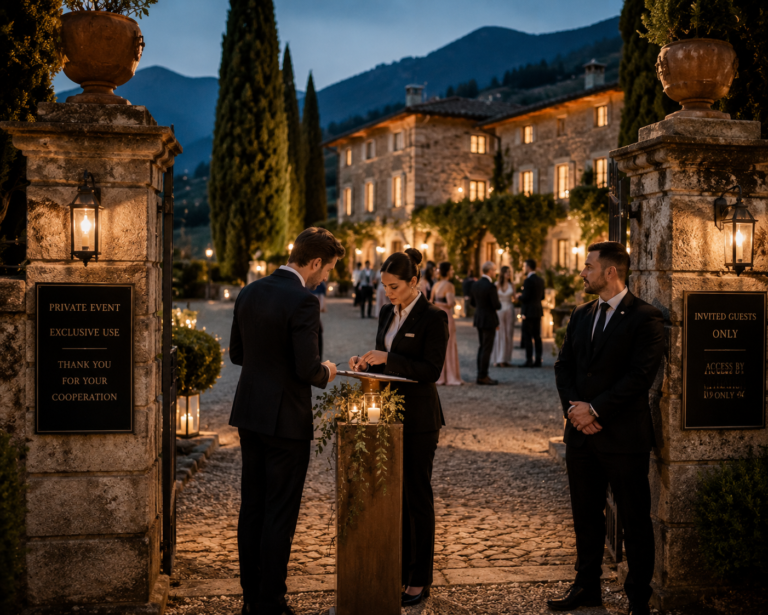
Planning a Wedding in Tuscany
Planning a wedding in Tuscany begins with bringing your priorities, guest numbers and preferred dates together. The setting matters, but so do the journeys, the ceremony and the time you would like to share with the people travelling to celebrate with you. At Kiss Me Italy, we consider those elements as one programme, whether you imagine an intimate villa gathering or several days at a private estate. Availability and preparation time vary, so the stages in this guide offer a framework rather than fixed deadlines for every wedding. We explore the venue and ceremony requirements early, then develop the design, hospitality and supplier arrangements around the confirmed plans. You remain involved in the decisions that shape the occasion, with clear guidance on what each choice means and what needs to happen next.
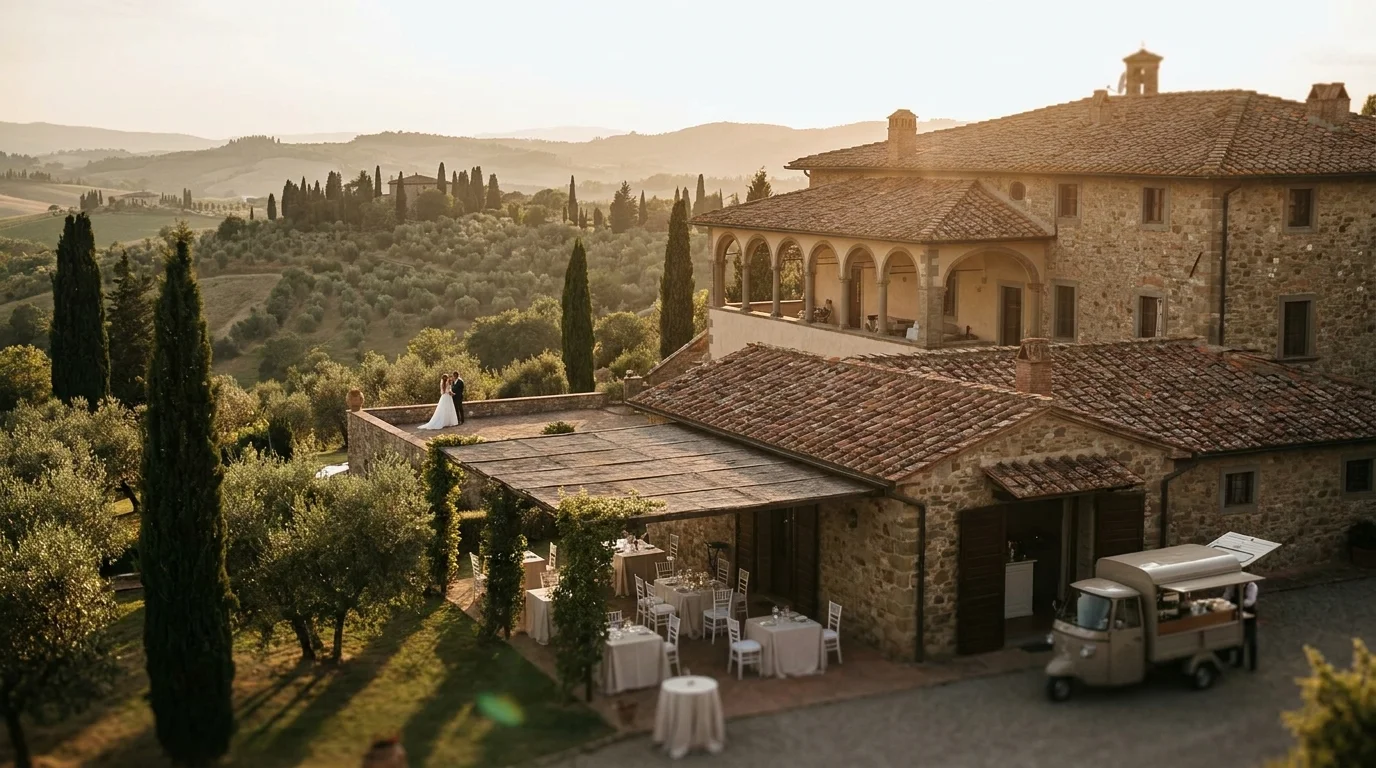
The First Decisions: Dates, Venue and the Shape of Your Celebration
A mood board and a guest list are useful starting points. Alongside them, we discuss your preferred season, the length of the celebration and the investment you have in mind.
The first venue conversation brings together capacity, availability and the experience you want. An estate may offer ample outdoor space but a smaller sheltered reception area; a property with enough bedrooms may still need additional arrangements for the wedding itself. We compare those details with your guest list and travel plans before developing a shortlist. If your dates are flexible, tell us which alternatives would work. Confirm any provisional hold, its expiry and the venue’s booking terms.
Early decisions establish the date, venue and shape of the celebration, from a single day to a stay across several nights. The ceremony format also deserves attention at this stage, particularly if legal or religious requirements affect your choice of location. Guest numbers influence dining, accommodation, staffing and the weather alternative. A smaller gathering may suit an intimate villa; a larger celebration needs sufficient capacity throughout the programme, including the spaces used if outdoor plans change.
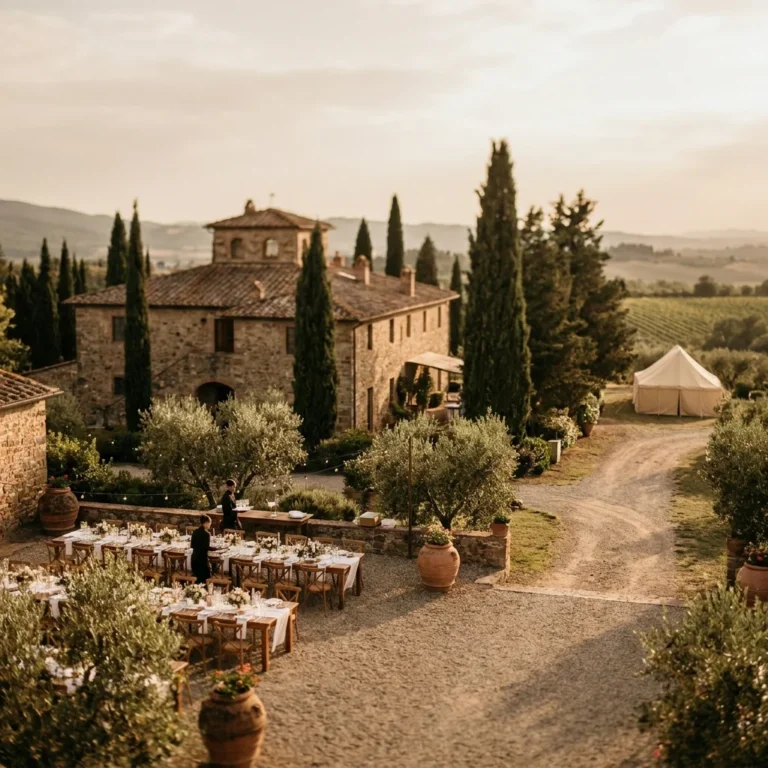
Explore the destination alongside the individual venues. The Florentine hills, Chianti, Val d’Orcia and the Versilia coast offer different surroundings and journeys, and each contains a wide range of properties. Our overview of luxury weddings across Tuscany and Versilia helps place those choices in context. Changing a confirmed date may affect several bookings at once, so understand the amendment terms before committing and consider the wider arrangements before requesting a change.
Choosing the Area: Florence Hills, Chianti and Val d’Orcia
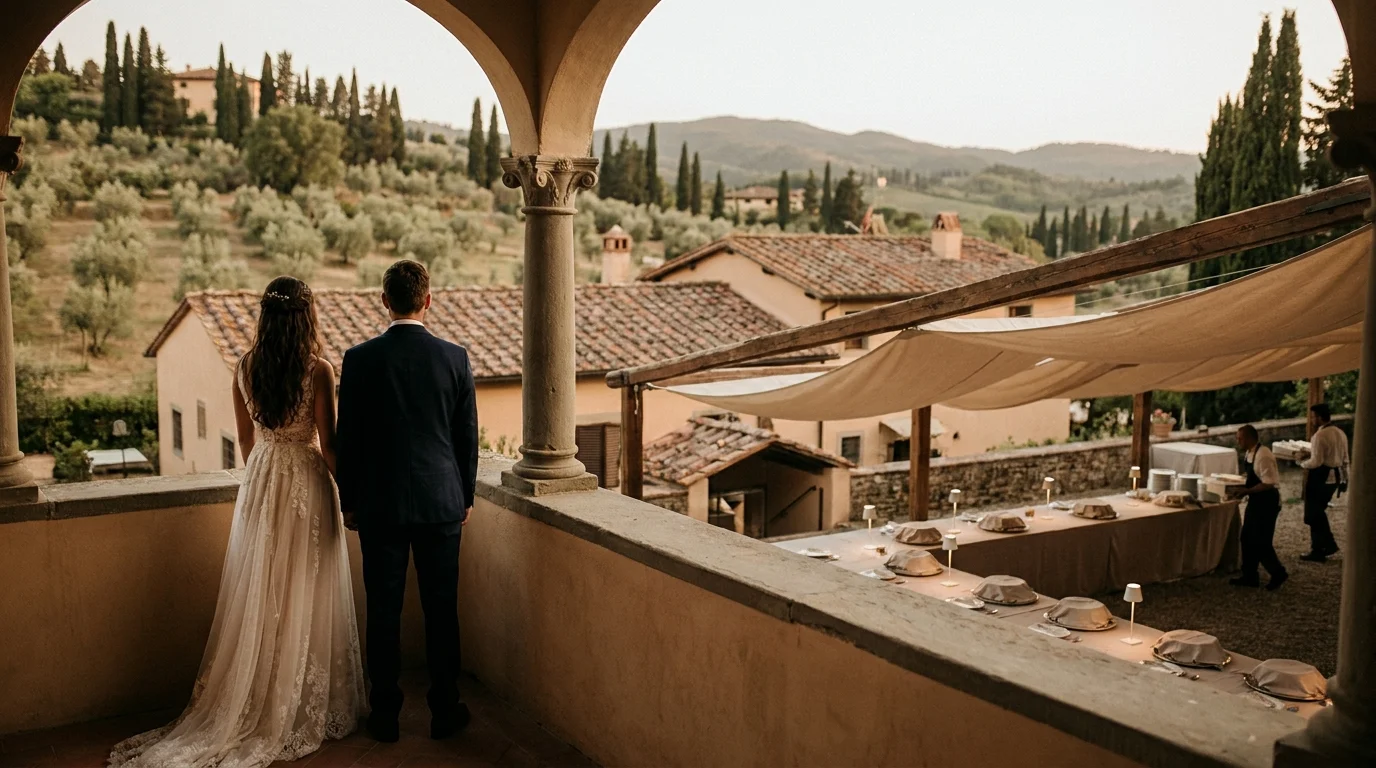
The location shapes both the atmosphere of the celebration and the practical experience of your guests.
The hills around Florence can combine a countryside setting with access to the city, depending on the particular property and route. That may suit guests who want time for museums, restaurants or an independent day before the wedding. Transport and accessibility still need to be checked; proximity alone does not guarantee an easy journey. The Florence Hills Wedding offers reception arrangements with a terrace, garden or loggia, alongside photography, video, floral styling and coordination. Its multi-day option adds a two-night stay and further hospitality. We assess the selected format against your guest list, including mobility needs, children and the journeys between accommodation and the celebration.
Val d’Orcia invites a slower stay, with open landscapes and country properties where the surroundings become part of the occasion. The practical plan depends on the exact estate: airport journeys, local accommodation and access roads should all be considered before guests book travel. Staying on site can simplify movement during the celebration, while arrivals, departures and excursions still need arrangements. The Intimate Villa Wedding includes three nights of exclusive villa use and accommodation for eighteen guests, with a welcome dinner, wedding-day hospitality and brunch. It is a useful format for couples who would like their guests to spend more time together in one place.
Chianti, the countryside around Siena and the Lucca area offer further possibilities, from vineyard estates to smaller country hotels and historic gardens. For couples drawn to a vineyard wedding in Italy, the setting should be considered alongside accommodation, dining and the estate’s own activities. Travel times vary considerably, so the name of a region is only the beginning of the comparison. Choose the location with the whole guest experience in mind. That includes where people will stay, how they will arrive and what they can comfortably enjoy between events. Through a direct enquiry, we can review your ideas and discuss which settings offer the right balance for your plans.
Choosing Your Ceremony: Civil, Catholic or Symbolic

The ceremony is a personal choice with practical implications for the location, documentation and timetable.
A civil ceremony is legally binding and takes place at a location authorised by the relevant municipality. If your preferred estate is not authorised, you may need a separate municipal setting for the legal ceremony, with any symbolic celebration arranged independently. Availability, booking procedures and documentation deadlines vary by comune and should be checked before the venue programme is finalised. Our guide to civil ceremony rules and real costs in Italy introduces the process. The important planning step is to understand how the legal arrangements fit your date, including any appointments, interpretation and travel between locations, rather than assuming the same booking window applies throughout Tuscany.
A Catholic ceremony requires preparation with your parish and the receiving church or diocese. The relevant offices confirm the documents, permissions and timing for your circumstances. A chapel on an estate should not be assumed available for the ceremony simply because it appears in photographs. Establish the approved church, celebrant arrangements and any civil requirements before confirming the day’s sequence.
A symbolic ceremony gives you flexibility over the words, rituals and atmosphere, with any legal marriage completed separately. The setting remains subject to access, safety and venue rules, and the officiant and language should be agreed in advance. This format is included in the Castello di Bibbione estate with a symbolic ceremony at the castle and a stay at a private villa retreat with its own pool. Our comparison of wedding ceremony types in Italy explains the distinctions, while our guide to choosing the right officiant explores the person leading the occasion. Discuss the format early enough for its requirements to inform the plan. A symbolic celebration needs thoughtful preparation too, from the ceremony text and music to the way your guests arrive and take their seats.
Our Tuscany Collections: Programmes, Stays and Included Services
Our Tuscany collections offer different guest counts, stays and hospitality programmes. The table highlights those distinctions and the services already included, helping you compare the experience before considering additions. The linked product pages provide published prices; your proposal confirms the selected option, availability and total.
| Collection | Programme | Included | Options and details to confirm |
|---|---|---|---|
| Intimate Wedding — Tuscan Countryside (Castello di Bibbione and a private villa retreat) | 8 or 12 guests | Villa il Poggio with private pool, one night and breakfast, symbolic castle ceremony, celebrant, reception, flowers, photography, video, DJ and coordination. | Additional nights, travel, legal services and design or coverage beyond the programme. |
| The Boutique Countryside Hotel Wedding | 50, 80 or 100 guests | Symbolic garden ceremony, reception, floral styling, photography, video, DJ and coordination; overnight and breakfast in the corresponding option. | Confirm overnight allocation; spa services, transport and further additions as requested. |
| The Florence Hills Wedding | 50 or 80 guests; day or multi-day | Private reception setting, meal, cake, open bar, flowers, photography, video, DJ and coordination; multi-day option adds two nights and further hospitality. | Confirm ceremony arrangements, room allocation, guest transfers and any programme additions. |
| The Intimate Villa Wedding — Val d’Orcia | 18 guests; three nights | Exclusive villa, suite accommodation for eighteen, welcome dinner, wedding hospitality, brunch and breakfasts; flowers, photography, video, DJ and coordination. | Airport transfers, excursions and services beyond the published programme. |
| The Boutique Agriturismo Wedding — Siena | 30 or 60 guests; two nights for 30 | Two nights for thirty, welcome party, wedding reception and breakfasts; floral styling, photography, video, DJ and coordination. | Accommodation for additional attendees, transfers and any further services. |
| Multi-Day Wedding — Val d’Orcia | 40 guests; 18 staying on site | Three-night exclusive villa use, accommodation for eighteen, welcome dinner, wedding hospitality and brunch; flowers, photography, video, DJ and coordination. | Off-site rooms for remaining guests, transfers and programme additions. |
| The Tuscan Borgo Wedding — Monteriggioni | 50 or 80 guests; multi-day option for 45 | Exclusive borgo, symbolic courtyard ceremony and reception, flowers, photography, video, DJ and coordination; three-night full board in the multi-day option. | Confirm the selected format, overnight allocation and any transport or extended services. |
| The Hilltop Tuscan Castle Wedding — Castello di Bibbione | 50 or 90 guests; seasonal stay options | Exclusive castle, symbolic ceremony and celebrant, reception, flowers, photography, video, DJ and coordination; three-night stay, with a seven-night July option. | For the ninety-guest format, sixty-six stay on site; confirm other rooms and transfers. |
| The Grand Tuscan Villa Wedding — Villa Reale di Marlia | 50 or 100 guests; 24 or 48 hours | Exclusive villa use for the selected duration, reception, aperitivo, wedding lunch, cake and open bar; flowers, photography, video, DJ and coordination. | Accommodation, transport, ceremony arrangements and any additional structures or services. |
| A Timeless Wedding in Chianti — Borgo San Felice | Up to 40 or 80 guests; stay for 40 | Semi-exclusive borgo use, exclusive reception areas, two nights for forty including the couple, welcome party and reception; flowers, photography, video, DJ and coordination. | Thirty-eight guests in deluxe rooms plus the couple in the bridal suite; further accommodation separately. |
Kiss Me Italy’s published prices include VAT where applicable. The selected collection and final proposal define the programme and inclusions; additional services should be itemised with their applicable tax treatment. Contact Kiss Me Italy for a personalised proposal.
For a longer stay, the multi-day castle wedding at Castello Vicchiomaggio offers three-night formats for thirty-six guests in the castle or sixty in the whole borgo. Other properties have different accommodation and hospitality options, so comparisons should follow the selected programme rather than a single starting figure. You can request the corresponding private proposal to explore the arrangements for your preferred date and guest count. The right scope follows the celebration you want to host. Our analysis of why Italian wedding costs vary so widely offers broader context, while the overview of what a Tuscany wedding typically costs examines the regional considerations that help shape a complete budget.
Before Booking: Six Practical Details to Clarify
Clear booking terms help you understand the experience you are choosing and the commitments behind it.
Review the arrangements before signing, with the relevant provider clarifying any ambiguity. These six areas often affect both the programme and the total, so they deserve attention alongside the setting and design.
Catering arrangements. Confirm whether catering is provided in house, chosen from an approved list or arranged independently. Compare the venue and hospitality together, including service, equipment and any minimum commitment, so the total reflects the same programme in each proposal.
Music hours and sound limits. Check the rules for each space and any conditions for moving the party indoors. The permitted finish time, sound requirements and staffing should be understood before booking entertainment, with any necessary music permissions assigned to the responsible party.
Power supply. Catering, lighting and entertainment need a coordinated technical plan. The venue and suppliers should confirm the available capacity and any additional equipment required. If extra power or installation is necessary, its cost, access and operation belong in the agreed production arrangements.
Weather arrangements. Confirm which alternative space is reserved, its capacity and how it accommodates dining, movement and any entertainment. The decision deadline must allow the suppliers to make the change. Any additional rental, installation or staffing should be clear before the alternative is needed.
Access and installation. Check vehicle dimensions, delivery routes, setup hours and removal arrangements. These can affect coach access, hired structures, furniture and technical equipment.
Tax and payment schedule. The quotation should show the total payable and applicable tax treatment. Deposits, balance dates and amendment terms follow the actual booking agreement. For international payments, allow for bank processing, currency conversion and any charges so funds arrive by the agreed date.
| Supplier category | Basis of quotation | Scope to confirm | Possible additions |
|---|---|---|---|
| Photography | Coverage and deliverables | Check the photographer and editing already included; confirm hours, locations, travel and delivery. | Additional days, photographers, prints, albums or express delivery beyond the agreed programme. |
| Videography | Filming and editing scope | Check included video services; agree the operators, coverage, sound, film format and delivery schedule. | Additional filming, edits, original files or aerial work, subject to feasibility and permissions. |
| Floral and table design | Design and installation brief | Identify included flowers and decorative details, then agree the scale, materials, vessels, installation and removal. | Additional structures, tableware, textiles or designs for other events outside the selected collection. |
| Guest transport | Routes, vehicles and timings | Agree arrival points, capacities, transfers, waiting and return journeys for the confirmed programme. | Additional departures, waiting time, standby vehicles or other journeys beyond the booked scope. |
| Music and entertainment | Performance and technical brief | Check the included DJ or music service; confirm repertoire, hours, equipment and permitted spaces. | Live performers, production equipment, extra sets and any required licences not already included. |
| Hair and makeup | Appointments and staffing | Confirm the people receiving services, any trial, preparation location and the time required. | Additional artists, extended attendance, travel and other appointments beyond the selected service. |
Supplier additions are quoted for the selected scope and date. Check existing collection inclusions first; travel, delivery, editing and applicable VAT should be clear in each quotation. No single rate or delivery schedule applies to every service.
Supplier selection brings together style, experience and the practical brief. For photography, consider complete galleries, coverage in comparable conditions and the delivery agreement alongside the images you love. Our guide to choosing a wedding photographer in Italy explores those questions in more detail. The same care applies across the team: understand what is included, how the professionals work together and which decisions need your approval. Couples comparing the best wedding planners in Italy can use those conversations to assess the support that best suits their celebration.
Preparing the Documents: A Timeline for Your Circumstances
Documentation should be discussed when you choose the ceremony format. The requirements depend on nationality, residence, personal circumstances and the receiving authority, so a general timeline cannot replace a checklist for your own situation. Establish the route with the relevant municipal, consular or religious offices before ordering documents or booking appointments. Where our agreed service includes documentation coordination, we help organise that process and identify the steps you must complete personally. Document validity, authentication and processing time all need to be considered together, so preparations begin early without obtaining time-sensitive documents unnecessarily soon.
Different nationalities can follow different documentary routes. U.S. citizens may need an Atto Notorio and a consular sworn declaration; British citizens should check the Certificate of No Impediment route applicable to their residence; Australian guidance identifies the Atto Notorio and Nulla Osta. These are starting points for enquiry, not interchangeable checklists. Birth records, evidence of a previous marriage ending, translations and authentication may also be required. Confirm the complete sequence with the competent authorities for your circumstances. Appointment availability matters, but so do the content and validity of the documents and the time needed for any corrections.
The municipality confirms what it must receive, which appointments you attend and when any declaration is made. If either party does not understand Italian, confirm the interpreter requirements for the ceremony and any earlier appointments. The roles of a planner, translator and interpreter are different, and the proposal should identify any support included. Our reference on what being legally married in Italy means for foreign nationals introduces the legal framework. The practical plan then follows the instructions of your particular comune and the relevant consular authorities, with responsibilities, dates and outstanding items recorded clearly. Any accompaniment or specialist service should be arranged explicitly, so you know who will assist at each stage.
| Administrative item | Basis of cost | Requirements to confirm | Further considerations |
|---|---|---|---|
| Municipal civil ceremony | Current municipal tariff | Confirm the authorised location, registrar arrangements, appointment and registration requirements. | Fees depend on the location, date and residency conditions; clarify separate venue charges. |
| Translation and authentication | Required documents and languages | Confirm which records need translation and the form accepted by the receiving authority. | Check legalisation or apostille requirements, exemptions, delivery and any urgency charges. |
| Interpreter | Required appointments and attendance | Confirm when interpretation is needed and the municipality’s requirements for the person appointed. | Agree travel, separate appointments and the complete attendance schedule before booking. |
| Consular declarations or notarial acts | Applicable authority fees | The required act and issuing authority follow nationality, residence and personal circumstances. | Check eligibility, documents, appointment availability, validity periods and travel arrangements. |
| Catholic ceremony arrangements | Parish and diocesan requirements | Confirm preparation, documentation, church availability and any offering or service arrangements. | Discuss music, decoration and other services separately with the relevant church. |
| Public-space or location permission | Relevant authority or venue terms | Check whether the proposed ceremony, installation or photography requires permission. | Availability, access, deadlines and any charges depend on the activity and location. |
Public fees follow the current tariff of the responsible authority; professional services depend on the work required. Confirm requirements and payment instructions for your ceremony, with any planning support identified separately in the proposal.
If you would like to discuss how the documentation fits your plans, a private planning conversation can identify the offices to consult and the questions to resolve before committing to a venue. Share your nationalities, residence and preferred ceremony format when enquiring.
Guest Travel: Airports, Accommodation and Transfers
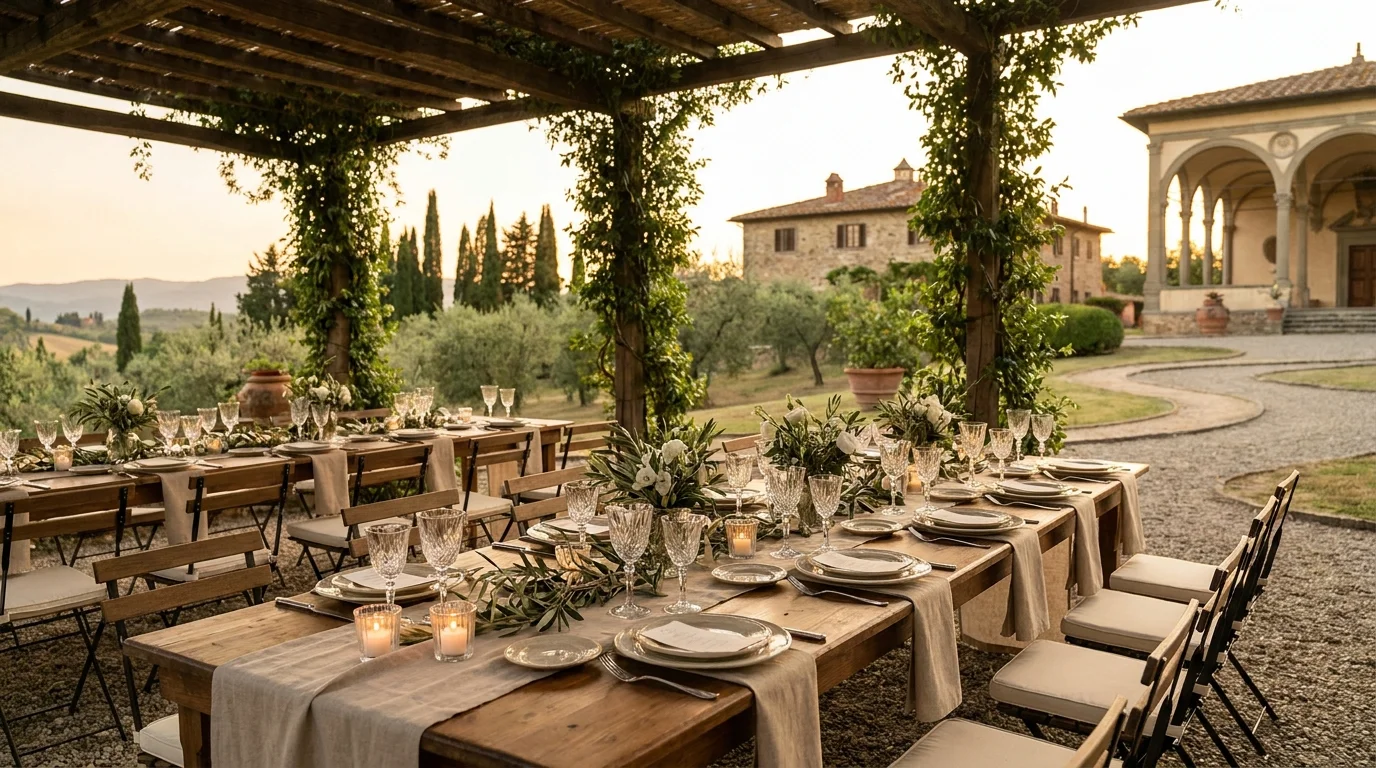
Guest travel begins with the exact venue and the journeys your guests can reasonably make from their departure points.
Florence, Pisa, Bologna and Rome may each be useful gateways, depending on the flights available for your dates and the estate you choose. Compare the complete journey, including connections, arrival time, baggage and the onward transfer, rather than the airport name alone. Guests may prefer different routes, particularly when combining the wedding with a longer trip. Before arranging shared transport, gather their confirmed arrival details and allow for the practicalities of meeting at the terminal. A clear pickup point and contact number help make the final part of the journey easier.
Keeping accommodation reasonably close together can simplify the weekend. On-site rooms or a small group of nearby properties may make shared transfers easier, but the arrangement should also suit guests’ needs and budgets. Consider the welcome event, wedding and return journeys separately, including anyone who may wish to leave earlier. A late-night shuttle can offer more than one departure if arranged in advance. The useful plan is the one that explains where guests should be, when transport leaves and how they return comfortably to their accommodation.
Some collections bring accommodation and hospitality together. The Tuscan Borgo Wedding offers a three-night full-board option for forty-five guests, alongside its other wedding formats. Staying at the borgo can reduce movement during the programme, while airport journeys and any outings still require arrangements. To compare an estate stay with a city-based celebration, our guide to why Florence works so beautifully for a destination wedding and our wider survey of wedding venues in Tuscany explore the different settings. The best fit depends on the time you want together and the independence your guests would enjoy.
The last part of the route deserves particular attention. Rural approaches, turning space and parking can limit vehicle size or change the drop-off point. We check the relevant details with the venue and transport provider, with a site visit where needed. Vehicle choice should follow verified access conditions.
A Wedding Weekend: Time to Enjoy Together
An illustrative three-night stay might begin with guests arriving on Thursday and settling into their rooms before a relaxed welcome meal. The timing follows flights, check-in arrangements and the hospitality you have booked.
A welcome table under a pergola could bring together local cheeses, vegetables and other dishes chosen with the caterer. Keep the format as informal or structured as you prefer. Comfortable seating, dietary arrangements and time for conversation matter more than filling the evening with activities.
Friday might offer a cellar visit, a walk or time at the property, with optional activities made clear to guests. A rehearsal or dinner can be included if it suits the programme and has been arranged. Leaving some time unplanned gives people room to enjoy Tuscany in their own way.
On the wedding day, the ceremony, portraits, aperitivo and dinner should form a comfortable sequence. The available light depends on the date, location and conditions, so the photographer’s plan belongs alongside the catering and guest experience. Speeches, courses and dancing need enough time without a rigid pace. The final timetable follows the booked services and venue hours, with the coordination team handling routine adjustments within the authority agreed beforehand.
Sunday can bring a final breakfast or brunch before departures, where included or separately arranged. A longer stay gives you more opportunities to spend time with your guests, from quiet conversations to shared meals. The example above is one possible rhythm; the actual order of events and hospitality follow your collection and proposal. Food often gives those moments their character, as our article on why Italian wedding food feels different explores. Our Italian wedding menu ideas and regional signatures can help you begin a conversation with the caterer about the season, service and flavours you would like to share.
Choosing the Season: Light, Comfort and Venue Availability
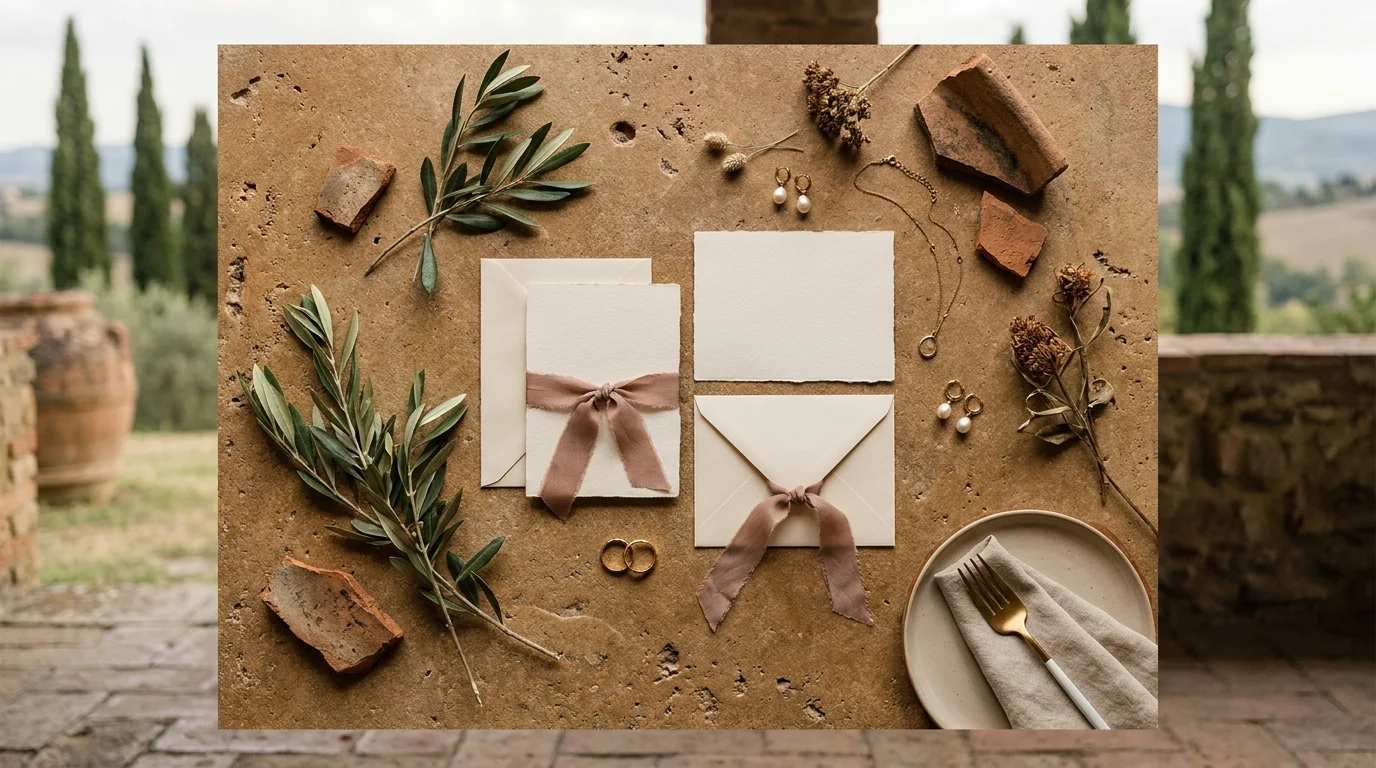
The season influences the light, the setting and how comfortably the celebration can move between indoors and outdoors.
Spring and early summer can offer fresh greenery and long evenings, with a sheltered alternative still important for outdoor plans. September and October bring another atmosphere, with changing light and estate activities to consider. Conditions vary by date and location, so neither period guarantees warm outdoor dining throughout the evening. Compare availability and venue terms for your preferred dates, then shape the programme around the particular setting.
July and August call for attention to heat, shade and the time guests spend outdoors. A later ceremony may suit some settings, while others offer comfortable indoor or sheltered spaces. Discuss the route, seating, refreshments and preparation areas as well as the reception. Rates and minimum stays depend on the property and date, rather than a general summer discount.
November to March can suit a celebration centred on interiors, seasonal food and time together at the property. Availability, opening dates and minimum stays need to be checked, and lower-season pricing should be assessed against the complete programme rather than an assumed percentage saving. Shorter daylight affects the ceremony and portraits; heating, sheltered access and suitable reception rooms deserve equal attention. the boutique countryside hotel wedding offers published formats for fifty, eighty or one hundred guests, with an overnight option. If you are considering a smaller winter celebration, ask for a tailored proposal and confirmation of the spaces and services available. A winter wedding should feel thoughtfully designed for the season, with the venue supporting the way you want to host.
For comparison with another destination, our guide to Venice wedding costs and seasonality explores a different setting and its budget considerations. In Tuscany, a winter celebration may be more focused on interiors and shared hospitality, while the suitability of a particular venue depends on its facilities and the arrangements available for your date.
What Couples Wrote After Marrying With Us in Florence
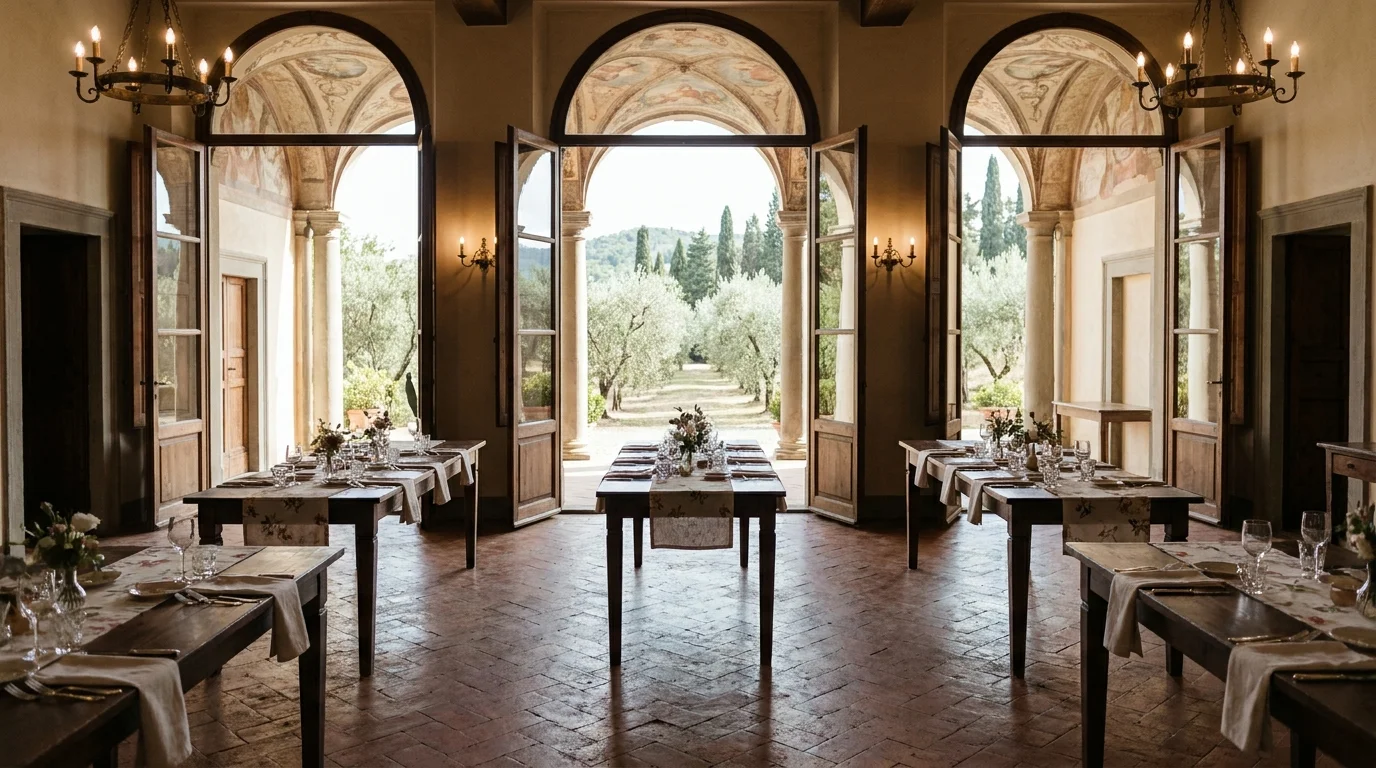
These reviews were left on the pages of two of our intimate Florence packages, published as the couples wrote them.
We had decided to have a symbolic wedding in Florence from the very day we got engaged, but no photo or video online could have truly prepared us for what we experienced.
There was something incredibly romantic about seeing the city while we were getting married and exchanging our vows.
The ceremony was intimate, elegant and deeply emotional.
Even the simplest moments, like having breakfast after the ceremony while watching the city slowly wake up, became special memories , and above all, moments that felt completely our own.
GraceGrace Mitchell, Florence Forever, May 2026
Tuscany has always been a dream for us.
Now we can finally say we made it come true. It was a beautiful day where everything went perfectly. We felt emotional, but we also had so much fun.
The Kiss Me Italy team is simply the best.
Alejandro & Sofia RamirezAlejandro & Sofia Ramirez, Florence At Sunset, May 2026
Thoughtful coordination gives couples room to enjoy the people and place around them. Our approach to designing each celebration around the couple rather than a template considers how the occasion will feel from arrival to departure, with the practical programme supporting those moments throughout the celebration.
The Final Preparations: Guests, Menus and Coordination
The final preparation period brings the confirmed arrangements together and highlights the decisions still needed from you.
Guest numbers, menus, dietary requirements and seating follow the deadlines agreed with your venue and suppliers. The final programme connects those details with transport, rentals and staffing, so each professional has the information relevant to their role. Clear communication helps everyone work from the same plan. Your own itinerary should explain what you need to know without reproducing every technical detail. Changes after the agreed deadlines may affect availability or cost and should be reviewed with the responsible provider.
Before arrival, reconfirm any municipal appointments, interpretation and original documents required for the ceremony. The final venue review addresses installation, guest movement and the weather arrangements. Its timing and format depend on the event, with the relevant suppliers involved where their work requires coordination or a technical check.
On the day, the coordination team works within the staffing, hours and responsibilities set out in your proposal. Supplier contacts, the timeline and agreed contingency arrangements should be readily available, with a clear process for decisions that need your approval. You should know whom to turn to, while remaining free to enjoy the celebration. Our introduction to the Kiss Me Italy team lets you explore the people and expertise behind that support before discussing the team assigned to your own event.
Where to Begin: Bringing Your Plans Together
Planning a wedding in Tuscany brings together personal choices and practical arrangements across locations, providers and, sometimes, languages and legal systems. A clear order helps: establish the setting and ceremony requirements, understand the commitments, then develop the details.
Our role is to connect those stages within the service you choose: reviewing suitable settings, coordinating suppliers, developing the programme and overseeing the agreed arrangements on site. Where documentation support is included, its scope and your own responsibilities are made clear. An intimate celebration and a larger estate stay need different resources, but both benefit from careful preparation and a team that understands your priorities. To explore the possibilities, begin with our overview of bespoke luxury weddings in Italy or the more intimate formats in our guide to what a micro wedding means in Italy. When you have a date range and an initial guest list, write to us directly. We can discuss the setting, the experience you want to share and the next steps towards a proposal that brings those ideas into focus.
Communication perspective by Maximilian Figel — Communication Manager
Maximilian Figel is Kiss Me Italy’s Communication Manager. His work supports the connections between the team and the different elements of a celebration. This guide reflects the importance of clear information, shared priorities and thoughtful coordination when international couples are making plans from abroad and bringing their guests together in Italy.
Questions Couples Ask Us Before They Book
What happens if our chosen venue is already taken for our date?
We can explore alternative dates at that property or other settings that suit your priorities. A flexible date range can give you more options, but availability must be checked with each venue. Any provisional hold follows its terms. We explain the differences between suitable alternatives so you can decide what matters most before committing.
Do you accommodate guests with mobility limitations or other accessibility needs?
Yes. Share the specific requirements early so they can inform the shortlist. We check the complete route, including arrival, ceremony, dining, toilets and accommodation, with the property and relevant providers. Steps, gradients, surfaces and room layouts may affect suitability. Any equipment or assistance must be confirmed for the actual setting; a general accessibility description alone is not enough to establish that the whole programme will work comfortably.
Can children attend, and can you arrange childcare during the reception?
Children can be included where the venue and programme allow. Tell us their ages and any support you would like so suitable menus, timings and facilities can be considered. Childcare is a separate arrangement: availability, qualifications, responsibilities, hours and costs should be confirmed with the provider and agreed with parents before booking.
Can you cater to dietary restrictions, including kosher or halal requirements?
Please share dietary needs before catering is confirmed. The provider should explain what can be accommodated, including ingredients, preparation and cross-contact considerations for allergies. Kosher or halal requirements need specific discussion, with any required certification and supervision confirmed rather than assumed. Availability varies by setting and provider, so these arrangements belong in the early brief and the written catering agreement.
Can our dog or another pet be part of the ceremony?
A pet may be able to join you, subject to the venue’s policy and any transport or accommodation conditions. Tell us early so the relevant spaces and restrictions can be checked. If you would like a handler, that service must be arranged explicitly, alongside water, shade and a quiet place for the animal during the celebration.
How do you manage room allocation when guests are staying on site?
We can coordinate a room plan within the agreed service, using the property’s confirmed inventory and your guest preferences. Access needs, room occupancy, family arrangements and check-in times should be considered together. Share the final allocation with the venue and clarify who handles keys and requests, including any costs or services guests arrange directly.
Is a wedding insurance policy worth taking for a Tuscan celebration?
Whether a policy suits your plans depends on your circumstances and commitments. Ask a qualified insurer or broker about the destination, cover, exclusions and cancellation provisions. The policy should be assessed alongside your supplier contracts; neither price alone nor the size of the wedding determines suitability.
What happens if a supplier cancels close to the wedding date?
We review the relevant contract and help explore alternatives within the agreed planning scope. Replacement availability, service and cost need to be checked, and any new booking requires the appropriate approval. Clear supplier terms and current contact details support that process, but an identical replacement, unchanged price or fixed resolution time cannot be guaranteed.
Can we add a second location, like a coastal day or a Florence portrait session?
Yes, an additional location can be considered as a defined extension to the programme. The best timing depends on travel, access, coverage and the time you want with guests. A separate day may give the experience more room. Any transport, permissions and additional supplier services should be confirmed before the arrangement is booked.
What is the smallest wedding you will take on in Tuscany?
Kiss Me Italy offers formats ranging from elopements for two to intimate weddings and larger celebrations. The Castello di Bibbione micro-wedding collection, for example, includes an eight-guest option. The appropriate setting follows your guest numbers, preferred experience and the property’s terms. We can discuss whether a collection, private dining arrangement or tailored programme offers the most suitable scope for your plans.