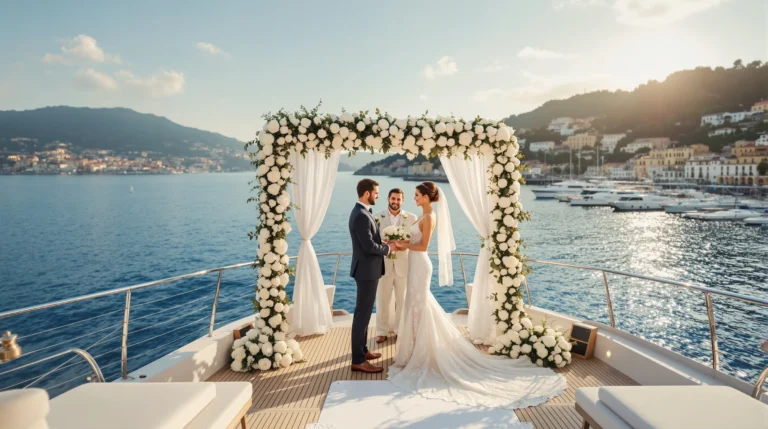
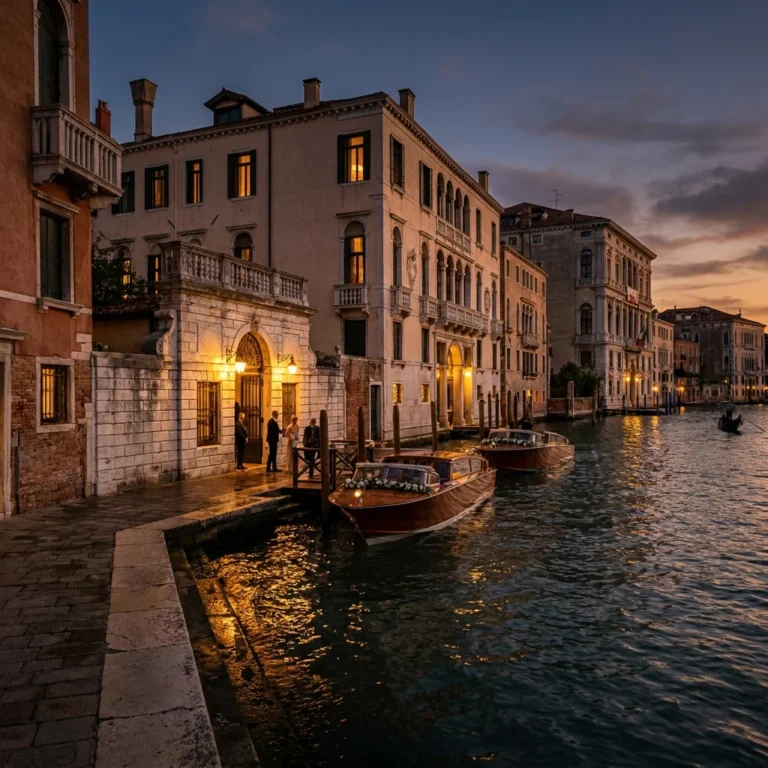
Wedding Planner vs Coordinator
A wedding planner is engaged at the beginning — venue search, budget architecture, supplier contracts, design direction — and carries the project for nine to eighteen months. A wedding coordinator is engaged at the end, usually four to six weeks before the date, to execute a plan someone else has already built. A venue coordinator is a third role entirely: an employee of the property, accountable to the property, managing the building rather than your celebration. That three-way distinction is the practical reality behind most confusion in the wedding planner vs coordinator comparison, and titles vary by contract, so scope has to be read rather than assumed.
English Speaking Wedding Planner Italy
For couples arriving from the United States, the United Kingdom or Australia, the consequence is concrete. Documentation, permits and multilingual supplier coordination begin long before a coordinator’s mandate would normally start — which is why our collections at Kiss Me Italy, starting from €13,000, are built as full-service planning rather than day-of cover.
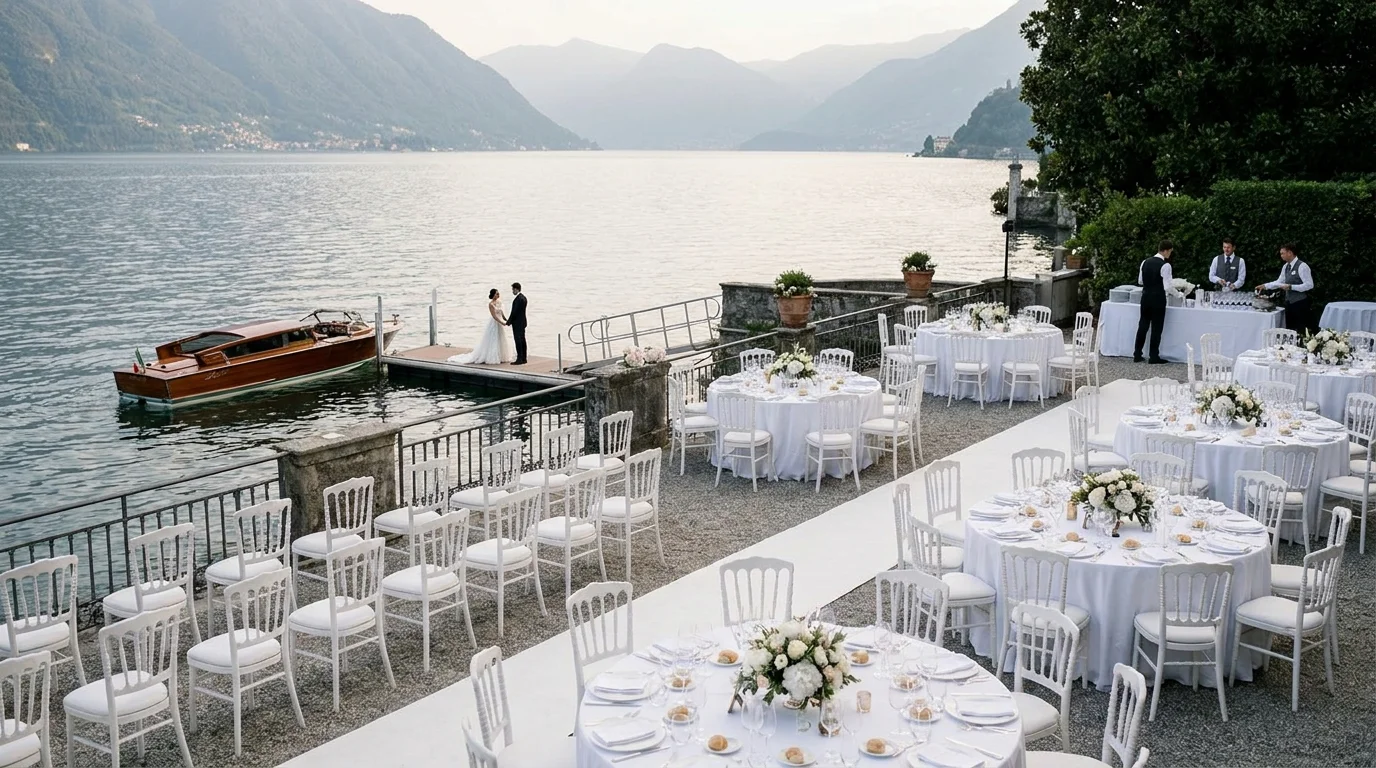
Phase One — Inquiry: The Three Roles Couples Are Actually Comparing
Most enquiries that reach our desk describe two options. There are three. Understanding the boundary between them is the single most useful thing a couple can do in the first week of planning, because it determines who holds the risk for the next year.
A full-service wedding planner is retained early and owns the whole ecosystem: shortlisting properties, negotiating and reviewing contracts, building and defending the budget, appointing suppliers, and running the day. An independent coordinator — sometimes marketed as a month-of wedding coordinator or day-of coordinator — inherits an existing plan and takes responsibility for its execution across the final weeks. A venue coordinator, or venue manager, is staff. Their mandate covers what happens to and inside the property: access hours, kitchen output, staffing rotas, noise curfews, load-in and load-out.
| Role | When engaged | Owns | Does not own |
|---|---|---|---|
| Full-service wedding planner | 9–18 months out | Venue search, contract review, budget, design direction, supplier appointment, guest logistics, contingency planning, day-of execution | Nothing structural is outside scope; specialist creative execution may be sub-appointed |
| Independent coordinator (month-of / day-of) | 4–6 weeks out | Timeline consolidation, supplier confirmation calls, run-sheet, on-site execution of an existing plan | Venue selection, contract negotiation, budget authority, design origination, permit applications |
| Venue coordinator (property employee) | At venue booking | Property access, in-house catering and staff, curfews, technical limits, load-in windows | Your external suppliers, your budget, your guest transfers, your documentation, your ceremony abroad |
The wedding planner vs coordinator question is therefore not a comparison of quality. It is a comparison of perimeter. A superb coordinator with a six-week mandate cannot retroactively renegotiate a catering minimum agreed eleven months earlier.
The Responsibility Matrix: Who Signs, Who Chases, Who Answers at 6 p.m. on the Day

Our U.S. clients typically ask the question in a more useful form: if something moves, who moves it? Below is the matrix we walk through on the first call. It is the clearest way to read wedding coordinator vs planner scope before anything is signed.
| Decision or risk | Full-service planner | Independent coordinator | Venue coordinator |
|---|---|---|---|
| Venue search and site visits | Owns | Not in scope | Represents one property only |
| Contract review and negotiation | Owns (reviewed with the couple) | Not in scope | Drafts the venue’s own contract |
| Budget architecture and payment calendar | Owns | Advisory at most | Venue line items only |
| Design direction and styling | Owns or appoints a designer | Executes an existing design | House styling only, if offered |
| Supplier appointment and management | Owns | Confirms suppliers already booked | In-house suppliers only |
| Documentation, permits, sworn translations | Owns and manages timeline | Rarely in scope | Not in scope |
| Guest logistics, transfers, welcome events | Owns | Day-of transfers only | Not in scope |
| Weather and contingency planning | Owns, with rehearsed alternatives | Executes the plan received | Offers the property’s indoor option |
| Wedding-day execution | Owns end to end | Owns within mandate | Owns the property’s operations |
Read the third column carefully. A venue coordinator is genuinely valuable — no external professional knows a kitchen’s plating capacity or a terrace’s wind behaviour better — but their duty of care runs to their employer. When a florist’s van is held at a lakeside access barrier, the property’s coordinator is inside supervising service. Someone has to be at the barrier. That difference is the whole of the venue coordinator vs wedding planner discussion, and we cover the wider selection criteria in our guide to the best wedding planners in Italy.
Where the Wedding Designer Sits — Between Planning and Coordination
There is a fourth title that complicates the comparison: the wedding designer. A designer owns aesthetics — palette, floral architecture, table geometry, linen weight, lighting temperature, stationery, the visual grammar of the evening. They do not, as a rule, hold contracts, permits, budgets or guest logistics.
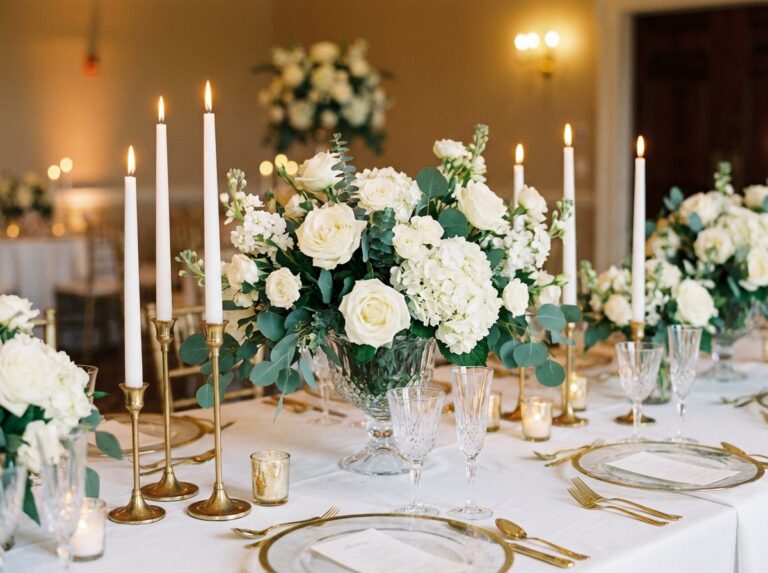
In practice the boundary is drawn in one of three ways. Some planners include design origination in their fee. Some appoint an external designer and manage them as a supplier. Some couples engage a designer directly and hand the resulting drawings to a coordinator for execution. All three are legitimate; only the first two place accountability in a single pair of hands. Our team handles design in-house for intimate formats — the serpentine-curved dining table, the candlelight scheme, the dress-code language on the invitation — and appoints specialists where a scale of production demands it. A worked example sits in our approach to a villa wedding in Italy, where design and access logistics are inseparable.
One practical marker: a designer’s mood board does not include a load-in schedule. If nobody’s document contains both, a gap exists.
Phase Two — Booking: What Our Collections Include, and What Is Quoted Separately

We publish fixed prices for our intimate wedding collections because opacity serves nobody. Each figure below covers full-service planning and on-the-day management for two people, with the venue, ceremony setting and core suppliers already assembled — not a coordination fee layered onto costs you sourced yourself.
| Collection | Price (2 people) | Included | Quoted separately |
|---|---|---|---|
| Intimate Lake Como Marriage — Villa Pizzo Micro Wedding | €13,000 | Planning and coordination, 16th-century waterfront gardens for the ceremony, 3 hours for 10 guests or 4 hours for 20, celebration toast, photographer coverage of the ceremony block, florals | Guest accommodation, extra guest covers, live music, second shooter, albums and prints, civil-ceremony municipal fees, sworn translations, applicable VAT (IVA 22%) where due |
| Small Wedding on Lake Garda — Villa Sostaga | €19,000 | Planning and coordination, outdoor gazebo ceremony above the lake, seated celebration for 50 guests, core supplier management | Accommodation, live music, photographer travel beyond the agreed area, post-production extras, albums, permits and legal fees, applicable VAT |
| The Terraced Lakeview Wedding — Hotel Cristal Sirmione | €19,000 | Planning and coordination, exclusive rooftop and sky bar overlooking Lake Garda, ceremony and reception setting, supplier scheduling | Guest rooms, entertainment, additional coverage hours, second shooter, printed products, municipal and permit fees, applicable VAT |
| Micro Wedding on Lake Garda — Villa Cortine Palace | €19,000 | Planning and coordination, the panoramic Terrazza Koseritz with lake views on three sides, ceremony setting, celebration toast | Accommodation, extended guest counts, music, albums, travel and lodging for out-of-region suppliers, permits, applicable VAT |
| Intimate Wedding — Tuscan Countryside (Castello di Bibbione, Villa il Poggio) | €28,000 | Planning and coordination, stay at Villa il Poggio with private pool, symbolic ceremony at the castle, estate setting, supplier management | Additional nights, guest accommodation, second shooter, album production, extended video deliverables, legal-ceremony fees, applicable VAT |
| Intimate Island Wedding — Isola del Garda | €29,000 | Planning and coordination, three private hours on Lake Garda’s only island for up to 20 guests, terraced-garden ceremony, boat transfers, florals, photographer | Accommodation, additional island time, live music, second shooter, albums, permits where applicable, applicable VAT |
| The Gulf of Poets Wedding — Grand Hotel Portovenere | €32,000 | Planning and coordination, exclusive use of the panoramic harbourfront veranda, aperitivo, wedding lunch and cake, the couple’s night at the hotel | Guest rooms, boat excursions, entertainment, albums, videography, permit and municipal fees, applicable VAT |
| The Intimate Villa Noseda Wedding — Lake Como | €33,000 | Planning and coordination, exclusive private villa with private dock, vintage Riva boat for the couple, reception for up to 12 guests | Guest accommodation, extra boat hours, live music, second shooter, albums, permits, applicable VAT |
| The Trulli Wedding Experience — Trulivo | €34,000 | Two-day planning and coordination, exclusive use of the boutique trulli estate near Monopoli, welcome party, overnight stay for 10 guests, wedding day | Additional guest lodging, transfers from Bari or Brindisi, entertainment, albums, extended post-production, permits, applicable VAT |
| The Boutique Countryside Hotel Wedding — Grotta Giusti, Tuscany | €35,000 | Planning and coordination, garden ceremony, reception, optional overnight stay, supplier appointment and scheduling | Guest rooms, spa programmes, live music, second shooter, albums, legal documentation fees, applicable VAT |
Indicative ranges. Contact Kiss Me Italy for a personalized proposal. Where a couple’s guest list, ceremony format or number of event days sits outside these formats, we build a bespoke proposal instead; our overview of what a wedding in Italy actually costs explains how the variables move. Regional comparisons are set out in the Tuscany cost guide and, for the Riviera, in our analysis of Portofino wedding costs.
Phase Three — Permits and Documents: The Timeline That Starts Six Months Out
This is the section where the wedding planner vs coordinator distinction stops being theoretical. Legal paperwork for a foreign couple marrying in Italy has a sequence, and the sequence has fixed points. A consulate appointment for the Nulla Osta or sworn declaration cannot be compressed because a coordinator was appointed late. Sworn translations require a court-registered translator. Some comuni confirm ceremony rooms and civil officiant availability only within a defined window before the date, which we monitor rather than assume.
Our team handles this stream from the moment a date is held — typically five to eight months out, and earlier for couples marrying between May and September, when municipal calendars fill first. A month-of coordinator’s mandate begins after most of these deadlines have already passed. The full requirement path is mapped in our guide to getting legally married in Italy as a foreigner, and the municipal side is detailed in our explanation of the civil ceremony at an Italian comune.
| Third-party item (not covered by collection prices) | Indicative range | Notes |
|---|---|---|
| Municipal fee, civil ceremony in a comune venue | €300–€1,600 | Set by each comune; varies by residency status, weekday or weekend, and room. Confirmed in writing before booking. |
| Sworn translation, per document | €40–€90 | Court-registered translator required. Number of documents depends on nationality. |
| Consular declaration / Nulla Osta processing | €50–€120 | Charged by the consulate or embassy, not by us. Appointment lead time is the binding constraint. |
| Sworn interpreter at the ceremony | €250–€500 | Required where neither spouse speaks Italian. Half-day basis. |
| Public-space or historic-site ceremony permit | €200–€1,200 | Site-dependent. Some lakeside and coastal sites cap event numbers and hours. |
| VAT (IVA) | 22% where applicable | Municipal fees are generally outside VAT scope; private supplier services are not. |
Indicative ranges only, based on current administrative practice and subject to written confirmation by the relevant authority. Contact Kiss Me Italy for a personalized proposal. Couples deciding between formats will find the practical differences between civil, religious and symbolic options in our overview of wedding ceremony types in Italy. When you would like this timeline mapped against your own date, our team is reachable through the Kiss Me Italy contact page.
Why a Destination Wedding Starts Planning Before Coordination Would Normally Begin
A domestic wedding tolerates late coordination because the couple is on the ground. They can visit the florist, taste the menu, walk the room. A destination wedding planner exists because none of that is available from 6,000 kilometres away, and because the questions that arrive first are not aesthetic — they are logistical.
Where do 40 guests land, and does the transfer from Milan Malpensa to a Lake Garda peninsula take 90 minutes or three hours on a Friday in July? Which properties permit amplified music after 23:00 and which cap it at 22:30? Which lakeside dock accepts a boat arrival at the exact half-hour a ceremony requires? We hold that information as working knowledge, not as research to be commissioned. For couples building around water, our guide to planning a Lake Como wedding and the corresponding Lake Garda wedding overview show how venue choice and transfer timing are decided together.
There is also the multilingual dimension. Our suppliers work in Italian; our couples brief in English. Every menu, run-sheet and floor plan passes through that bridge twice — once to be commissioned, once to be confirmed. A coordinator arriving four weeks out inherits translations they did not make. Couples who prefer to discuss their own scenario before comparing proposals are welcome to write to our coordination team.
Phase Four — Week-Of: The Continuity Question Nobody Asks at Contract Stage

Venue teams change. Seasonal event managers finish contracts in October; properties restructure; someone is promoted in March and the person who knew your file is no longer on it. This is normal hospitality practice, and it is also the most under-examined risk in the wedding planner vs coordinator decision.
The consequence is specific. Institutional memory held by one employee — the verbal agreement about an earlier load-in, the flexibility on the cocktail-hour boundary, the promise about the second terrace — is not always written into the file that a successor receives. We keep our own parallel record of every agreement, in writing, in both languages, and we re-confirm each one in the final fortnight. That reconciliation is a planning function. It is not something a day-of coordinator vs wedding planner comparison usually surfaces, and it is a large part of what continuity actually buys.
The same principle governs supplier deliverables. Photographic coverage, for instance, involves a delivery timeline, editing scope and archive terms that outlive the event itself — points we set out in our guide to commissioning a wedding photographer in Italy.
Phase Five — Ceremony Day: Two Radios, One Timeline
The day itself is quiet, if the year before it was not.
Our lead is on site from load-in. The second radio sits with the venue’s own manager, because the property runs the property and we run the event. Florals land four hours before guests. Chairs are counted twice. The officiant is briefed on pronunciation at 15:40.
Then the light drops toward the water, someone’s grandmother finds her seat, and a plan that occupied eleven months becomes forty minutes of something that looks entirely spontaneous. That is the point. Nobody in the seats should be able to tell how much work it took.
Phase Six — Post-Event: Final Invoices, Deliverables and the Handover
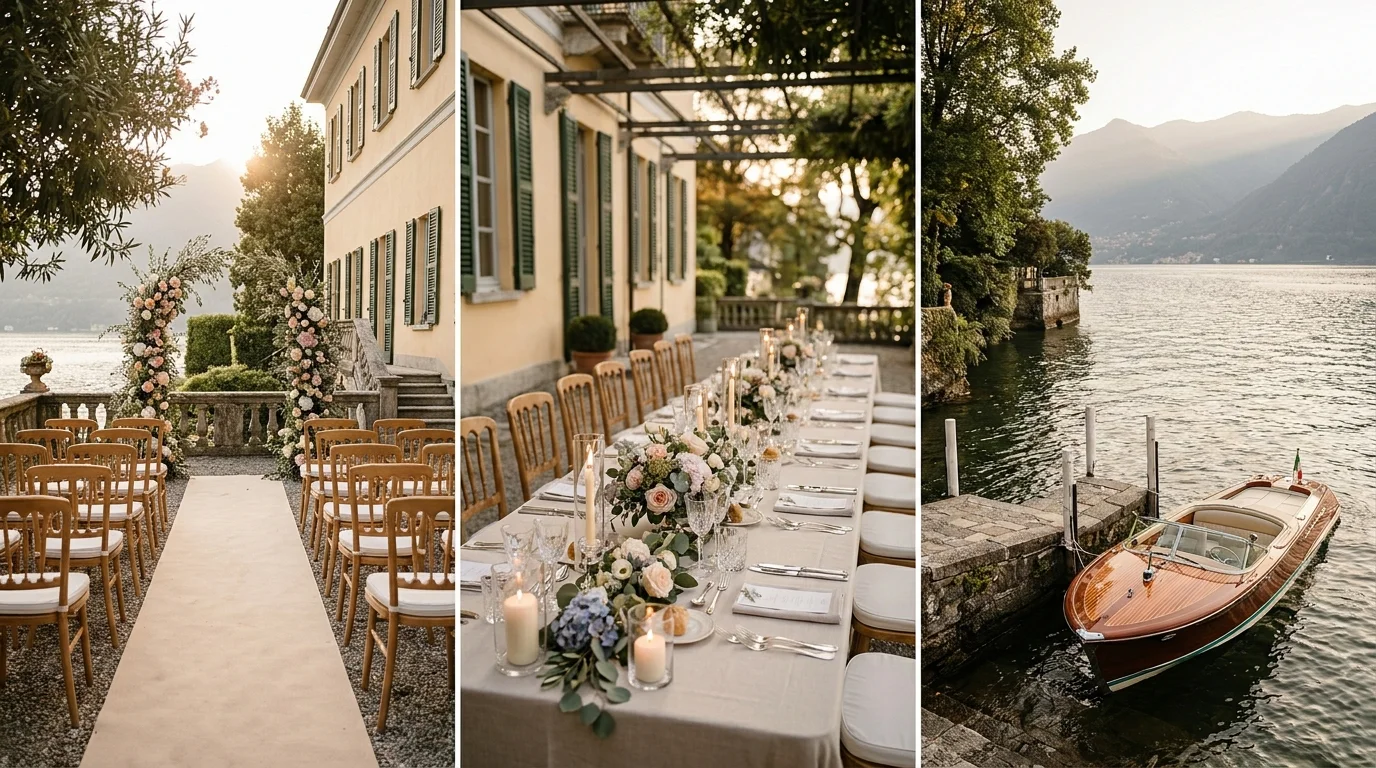
The wedding does not end at the last dance. Final supplier balances are reconciled, breakage and overtime clauses are checked against what was actually consumed, and deliverables enter their own timeline: image galleries, edited films, album production, certified copies of the marriage certificate and its translation if the couple needs it registered at home.
A coordination mandate normally closes at midnight on the wedding day. Full-service planning closes when the last deliverable arrives. Our team handles the follow-through — chasing post-production against contracted dates, resolving invoice discrepancies, forwarding certificates. Couples returning for an anniversary or a renewal find the same file still open; our approach to a vow renewal on Lake Garda often begins from a wedding we managed years earlier.
Contract Language and Handover Questions We Review With Every Client
Before signature, we read three things in any coordination or venue agreement, and we read them with the couple rather than for them.
First, the start date of the mandate. “Month-of” can mean 30 days, 45 days, or “from receipt of your supplier list” — three materially different commitments. Second, the named individual and the substitution clause. A contract that names a company but not a person, with no provision for handover documentation, leaves continuity to goodwill. Third, the exclusion list. Permits, translations, interpreter fees, supplier travel and accommodation, second shooter, albums, post-production beyond a stated delivery window, and VAT treatment should each appear as included, excluded, separately quoted, or not applicable — never unaddressed.
We also ask the venue three questions in writing: who is the operational lead on the date, who replaces them, and which in-house services are contractually guaranteed versus offered subject to availability. The answers are usually reassuring. Having them in writing is what makes them useful. Our own working method is described in our page on a personalized wedding approach, and the people behind it in the Kiss Me Italy team.
How We Guide the Choice — and Where It Usually Lands
For a wedding at home, in a city you know, with suppliers you can meet on a Saturday, an independent coordinator engaged six weeks out is a rational and often excellent decision. For a celebration in Italy, arranged from another continent, in a second language, with municipal deadlines and access permits attached, the wedding planner vs coordinator question resolves differently — not because coordination is lesser work, but because the work that determines the day begins ten months before a coordinator’s mandate opens.
Our collections start at €13,000 and reach €37,000 for the two-day formats, each with a defined guest capacity, a named property and a written inclusion list. Intimate formats are explained further in our guide to a micro wedding in Italy, and the culinary decisions that shape the evening in our collection of Italian wedding menu ideas. When you are ready to see how a date, a guest count and a region come together into one managed timeline, our coordination desk will take it from there.
Questions Couples Ask Us Before They Book
Can Kiss Me Italy take over after we have already signed venue and vendor contracts?
Yes, and it happens regularly. We review every executed agreement first, map the obligations and payment dates already committed, and then take over supplier communication from that point. Where a contract contains terms we would have negotiated differently, we work within them and manage the operational consequences rather than reopening them.
Can we retain a planner for the guest events but use the venue team for the wedding day?
It is possible, though we advise on the boundary carefully, because the welcome dinner and the wedding day usually share suppliers, transfers and staff. Where a couple prefers this split, we define in writing which professional holds the run-sheet on each date. Divided authority on a single timeline is the arrangement we most often need to clarify.
Who handles a supplier that fails to deliver what its contract promised?
We do, on the couple’s behalf. Our team documents the discrepancy at the time, sources a replacement or remedy within the event window where one exists, and pursues the contractual position afterwards. Because we appoint suppliers under our own working relationships, resolution is generally handled between professionals rather than between a couple and a foreign vendor.
Can planning scope be expanded if our guest count or event schedule changes?
Scope is reviewed formally when numbers move by more than a defined margin or when an event day is added. We issue a revised proposal showing the additional supplier costs, any venue capacity implications, and the adjustment to our own fee. Changes made more than four months out rarely affect availability; changes inside eight weeks depend on supplier calendars.
Will one professional manage both our legal ceremony and a symbolic celebration?
Yes. Many of our couples complete the legal formalities at a comune and hold the symbolic celebration at the villa or estate on the same day or the following one. Our team coordinates both the municipal appointment and the celebrant’s brief, including language and script; the choices involved are outlined in our guide to selecting a wedding officiant in Italy.
Can our planner collaborate with a designer or production agency based in our home country?
We work alongside external creative partners frequently, particularly with couples who have an established relationship with a designer. We hold the operational perimeter — access, permits, load-in, supplier scheduling, local execution — while the external partner holds the aesthetic direction. Responsibilities are documented before production begins so no instruction reaches a supplier from two directions.
How are travel days and overnight accommodation treated when events span several locations?
Supplier travel and lodging are quoted separately from collection prices whenever an event moves between regions or a call time falls outside a workable same-day journey. We present these as itemised lines, not as a bundled surcharge. Photographer and videographer overnight stays, for instance, are shown per person per night with the reason attached.
What happens to planning fees if we postpone the wedding?
Work already performed remains performed, so our fee is generally carried forward to the new date rather than refunded, subject to the terms in our agreement. Third-party deposits follow each supplier’s own postponement clause, which we identify at booking stage so the exposure is known in advance. Our team renegotiates dates with every supplier as a single coordinated exercise.
Can we appoint a family member to approve decisions while you manage the suppliers?
Yes, and we ask for that authority to be confirmed in writing at the outset, including which categories of decision the representative may approve and any value threshold above which we return to the couple. This is common where couples travel for work or sit in a time zone eight or more hours from Italy. Clear delegation prevents an approval waiting overnight for no reason.
Do you ever recommend against full-service planning?
Occasionally, yes. Where a couple has fewer than eight guests, a single venue handling ceremony, dinner and accommodation, and no legal formalities to complete in Italy, a lighter mandate can be entirely sufficient. We say so on the first call, because a proposal that oversells scope serves nobody — and our curated experience formats often fit that brief better.