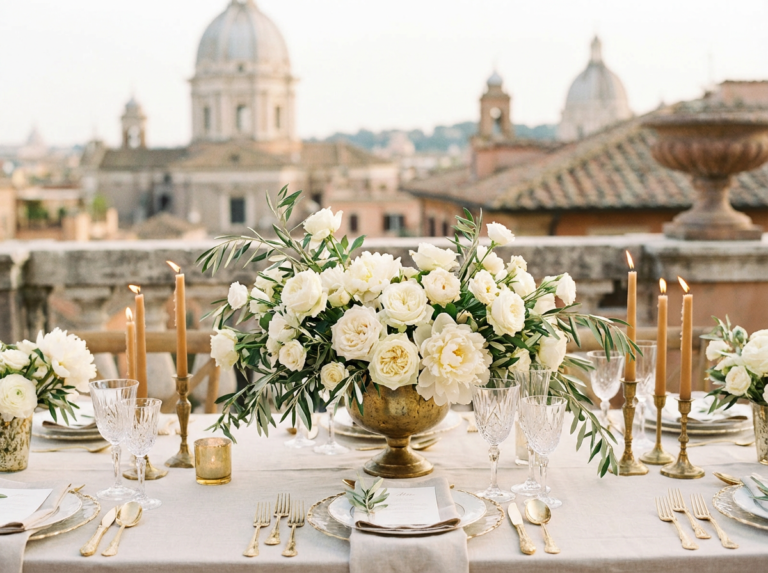
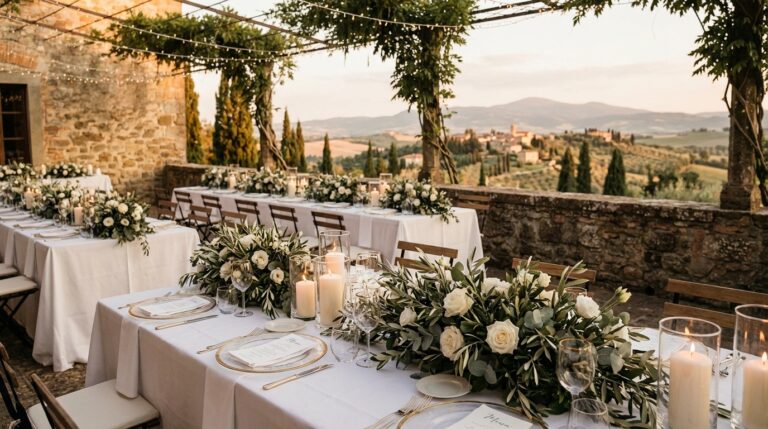
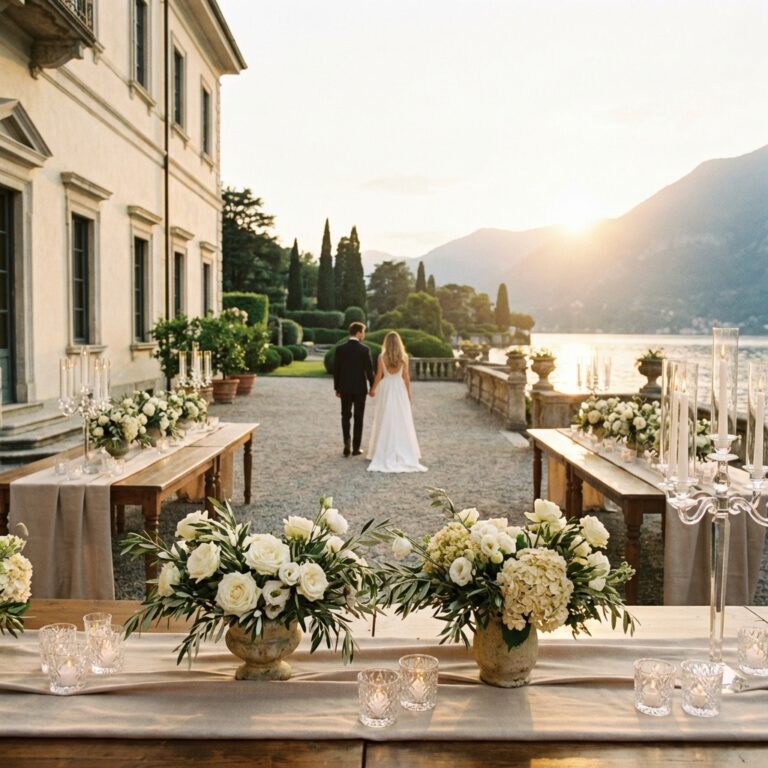
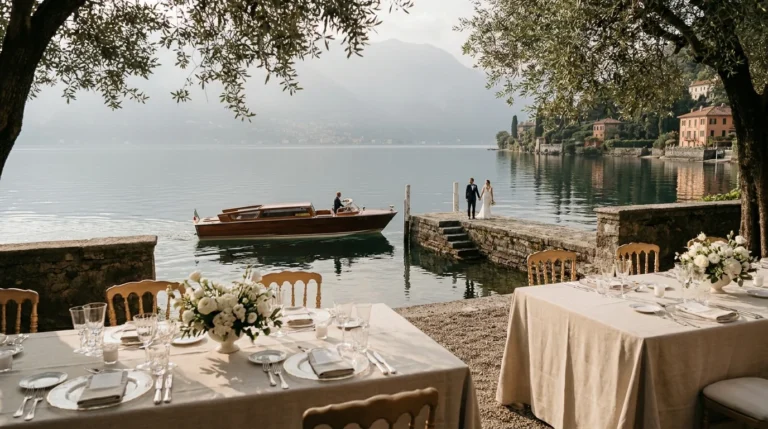
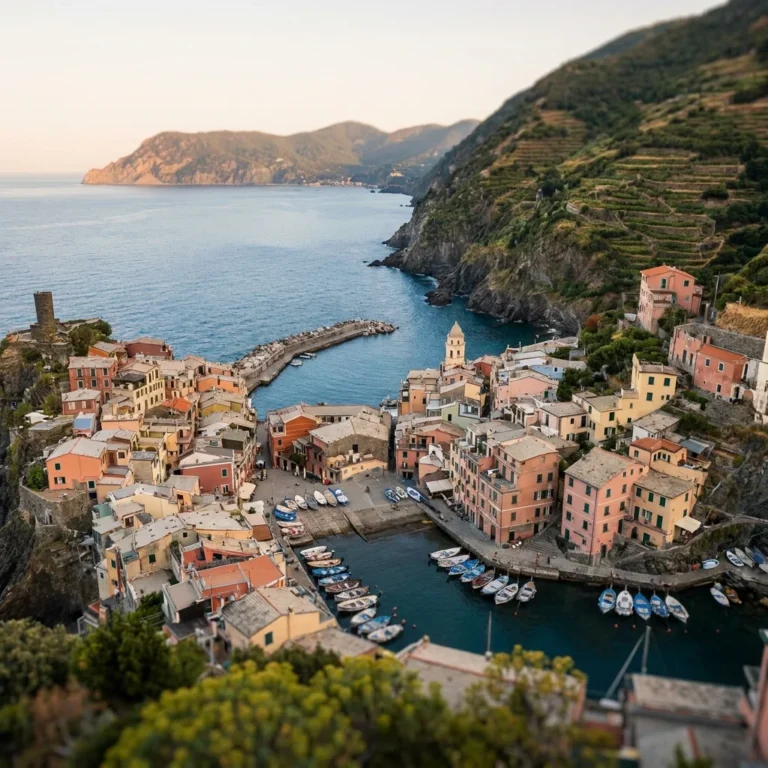
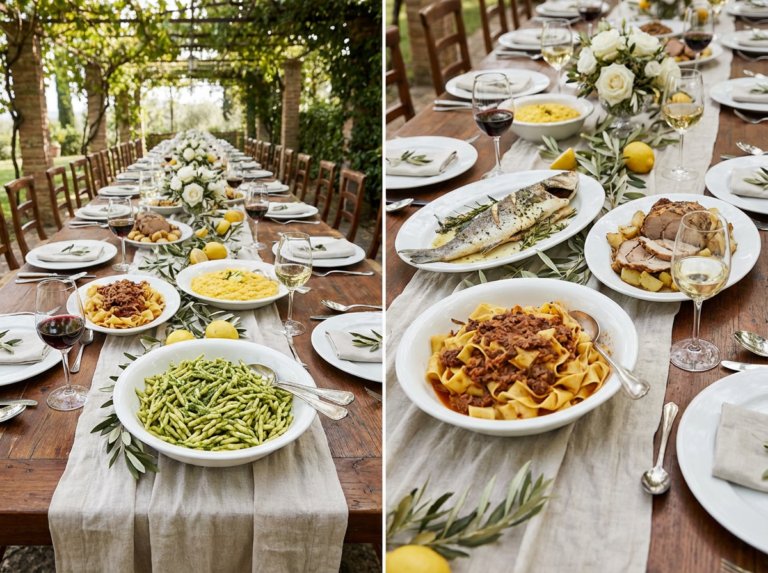
Most international couples who contact us arrive with a garden image in mind — lemon trees, gravel paths, a long table under string lights. What they rarely anticipate is that many of Italy’s most photographed gardens cannot host a reception at all. Heritage protections, noise ordinances, and structural restrictions on what can be installed (stages, kitchens, lighting rigs) vary not just by region but by individual municipality. More in our guide: woodland wedding in Italy.
Garden Wedding in Italy
This is the practical reality that separates a curated garden wedding from a compromised one. At Kiss Me Italy, we bridge the gap between the vision and the operational truth of each space — so the day you experience is the day you imagined, without the logistical friction you never saw.
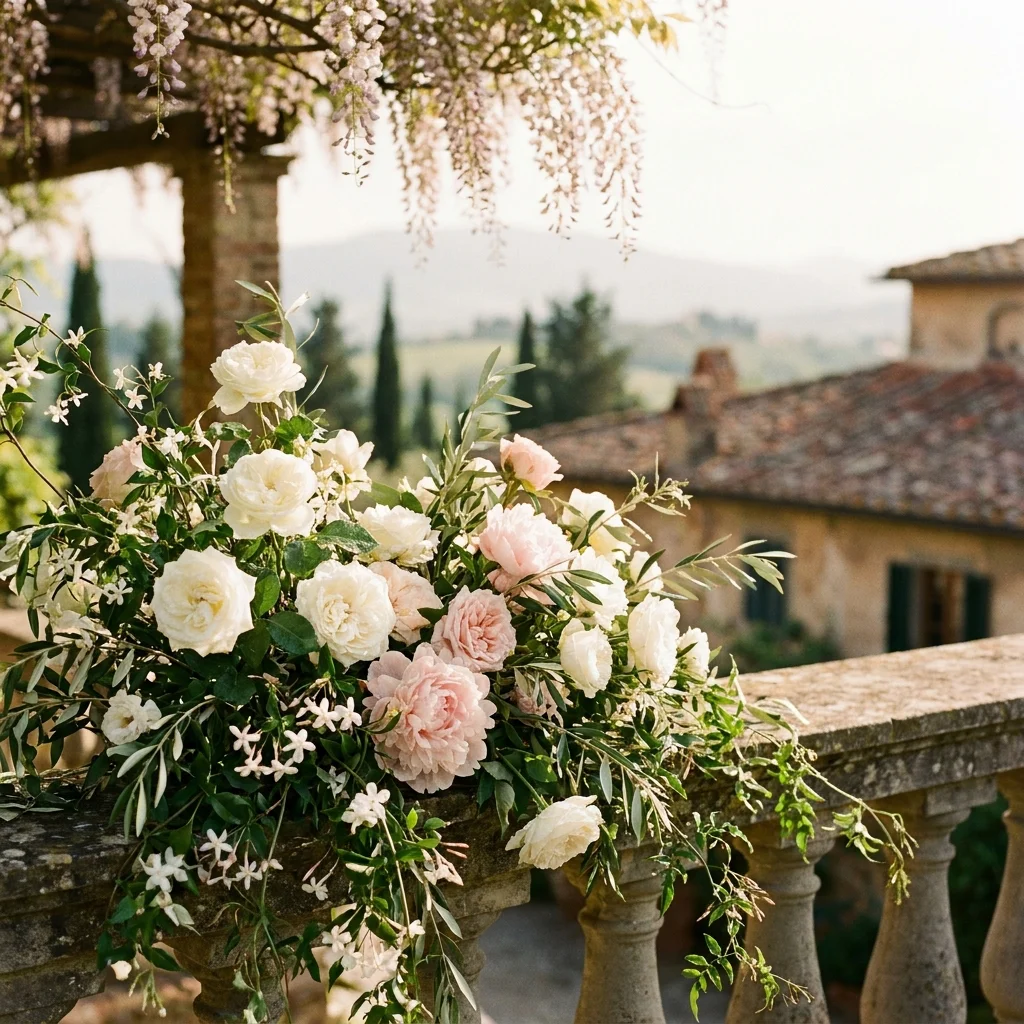
Why Most Historic Italian Gardens Cannot Host a Wedding Reception — and How We Identify the Ones That Can
Italy has thousands of historic gardens. A fraction of them are viable for a wedding. The distinction matters enormously.
A garden wedding in Italy typically costs between €50,000 and €200,000+ for 80–150 guests, depending on the region, the exclusivity of the estate, and whether the garden is a working event space or a protected historic landscape. Tuscany, Lake Como, and the Amalfi Coast remain the most requested destinations, with private villa gardens offering the combination of open-air ceremony, seated dinner under pergolas, and late-evening dancing that defines the Italian outdoor celebration at its best.
A Soprintendenza-protected formal garden — the kind you see in Lucca, on the Brenta Riviera, or surrounding certain Lake Como estates — may permit a symbolic ceremony on its grounds but prohibit temporary structures, amplified music, or catering infrastructure within the garden perimeter. That means no kitchen tent, no dance floor, no speaker stacks. The garden is a backdrop, not a venue. Our U.S. clients typically discover this only after they’ve fallen in love with a specific property online, which is why we begin every inquiry with an operational assessment, not an aesthetic one.
The gardens we curate for full wedding use fall into three categories: privately owned villa gardens with no heritage overlay, where the owner controls permissions; estate gardens with partial protection that allow event infrastructure in designated zones; and botanical or agricultural gardens (citrus groves, olive terraces) that function as working landscapes and carry fewer restrictions. Each type has different lead times for permitting, different insurance requirements, and different limits on guest count. We manage all of this before a couple ever visits the property in person.
For couples drawn to luxury wedding venues across Italy, understanding the difference between a photogenic garden and a functional one is the first decision that shapes every other.
Three Garden Types Matched to Guest Count, Privacy, and Buyout Requirements
Not every garden wedding in Italy looks the same, and the differences are structural, not just aesthetic. We use a curation framework that matches the right garden type to three variables: how many guests, how much privacy, and whether a full-property buyout is needed.
Enclosed villa gardens (40–80 guests). These are the walled or hedged gardens attached to private Tuscan or Umbrian villas. They offer intimacy, natural boundaries for sound, and short distances between ceremony, dinner, and dancing. Most allow a two- or three-night exclusive-use booking. They work beautifully for couples who want a micro wedding in Italy with a garden setting that feels contained and personal.
Terraced estate gardens (80–150 guests). Found along Lake Como, Lake Garda, and the Ligurian coast, these multi-level gardens use elevation changes to create distinct zones — a ceremony terrace, a cocktail garden, a lower lawn for dinner. The vertical layout photographs exceptionally well, especially in late-afternoon light when shadows define each tier. Couples considering a Lake Como wedding or a Lake Garda celebration will often find terraced gardens the most architecturally dramatic option.
Open landscape gardens (150–300+ guests). These are the large-format properties — country estates in the Val d’Orcia, agricultural holdings in Puglia, or parkland villas in the Veneto. They require more infrastructure (marquees, portable kitchens, generator power) but offer the freedom to design a layout from scratch. For a villa wedding in Italy at scale, this is often the most flexible category.
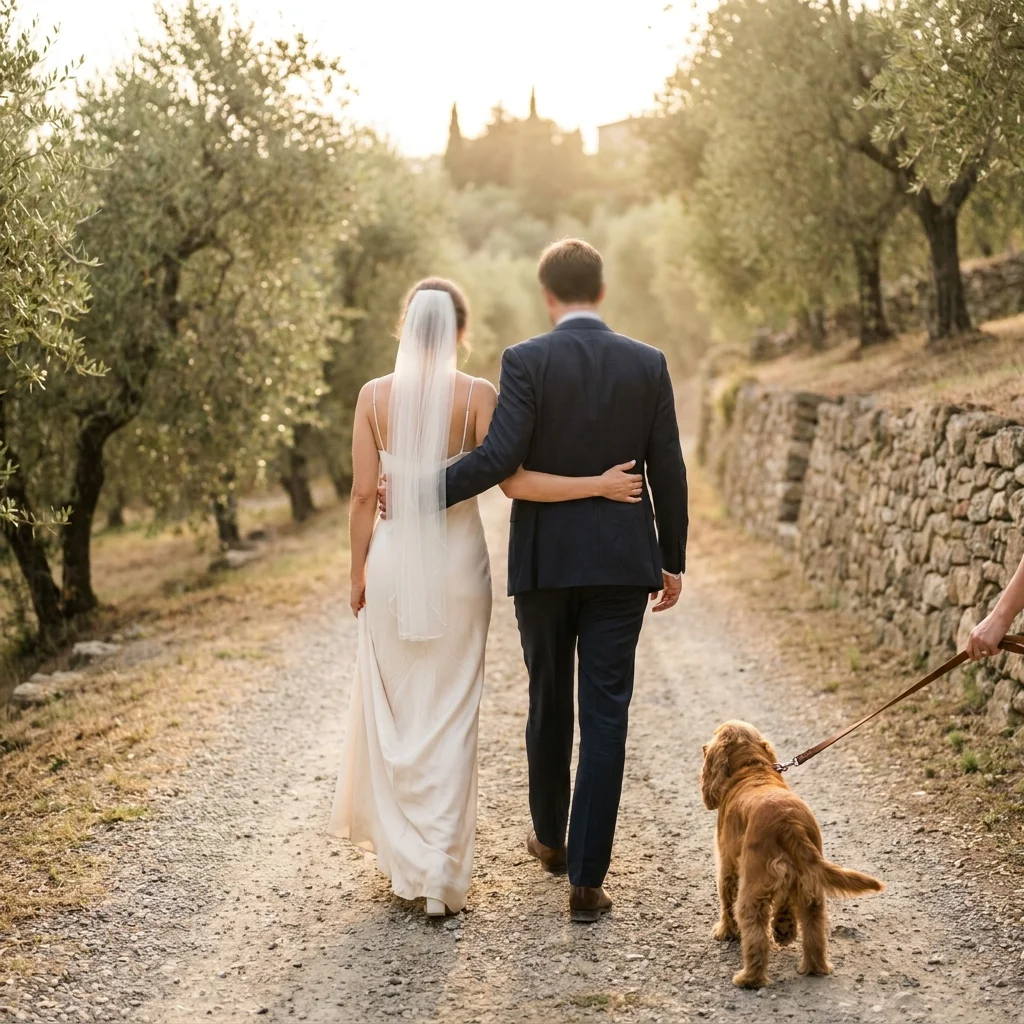
How Season Shapes Both the Cost and the Experience of an Italian Garden Wedding
Season is a lever, not just a preference. It affects pricing, guest comfort, floral availability, and the hours of usable daylight that determine your ceremony timeline.
Late May through mid-June is the window we recommend most often. Gardens are at peak bloom. Temperatures in Tuscany and the Lakes hover between 22°C and 28°C. Daylight extends past 9 PM, which means a 5:30 PM ceremony still leaves three hours of natural light for photography before dinner. Venue fees during this period are 15–25% higher than April or October, but the trade-off in guest comfort and visual quality is substantial.
July and August bring heat that changes the operational plan. In southern Tuscany, the Amalfi Coast, and Sicily, afternoon temperatures regularly exceed 34°C. We shift ceremonies to 6:30 PM or later, position cocktail hours in shaded courtyards rather than open lawns, and coordinate with caterers on cold-course starters that hold up in warmth. These months are popular with international guests who have school-age children, so availability tightens despite the climate.
September and early October offer a second sweet spot. Light turns golden earlier in the afternoon. Harvest-season produce — figs, late-summer tomatoes, early truffles — gives the wedding menu a distinctly autumnal character. Venue rates soften. The risk of a brief afternoon shower increases slightly, which is why every garden wedding we coordinate includes a weather-contingency plan with a defined indoor pivot point.
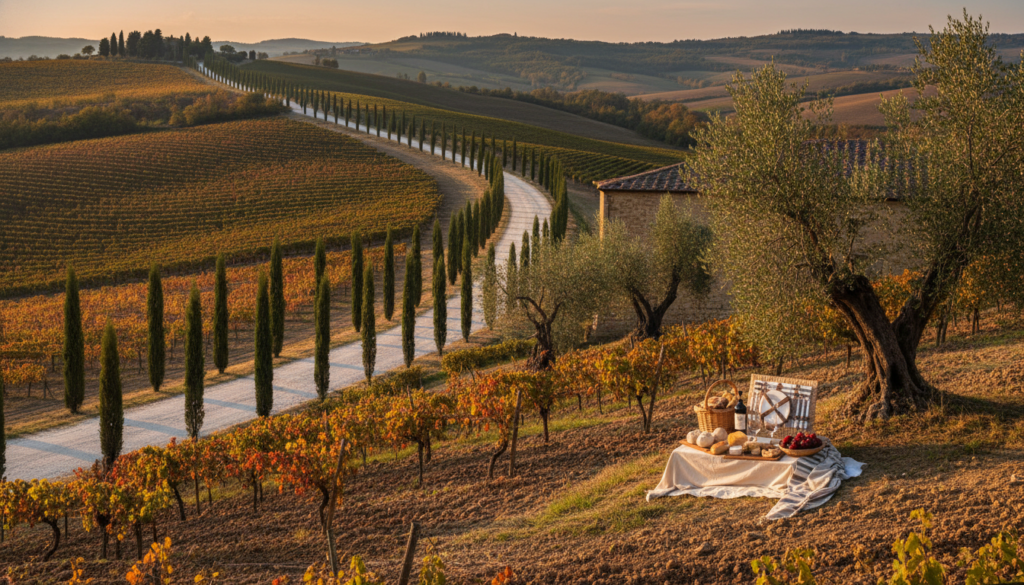
For a broader view of seasonal timing across all Italian regions, our Italy wedding calendar lays out month-by-month considerations in detail.
Noise Curfews, Amplification Limits, and Lighting Rules That Govern Outdoor Receptions
This is the section most wedding websites skip. It is also the section that determines whether your reception ends at 11 PM or runs past midnight.
Italian municipalities set their own noise ordinances. In many Tuscan comuni, amplified music outdoors must stop by 11:00 PM — sometimes 10:30 PM. Lake Como properties near residential zones often have even tighter windows. A handful of remote estates in Umbria or the Maremma have no neighbors within earshot and no practical curfew at all. The difference between these scenarios is not something you can assess from a venue photo.
We verify three things for every garden venue we present:
- Decibel limits and measurement points — some municipalities measure at the property boundary, others at the nearest residential structure. The distinction changes what volume is actually permissible.
- Amplification zones — certain properties allow a DJ or band in a specific garden area (often a sunken terrace or walled section) but not on the main lawn.
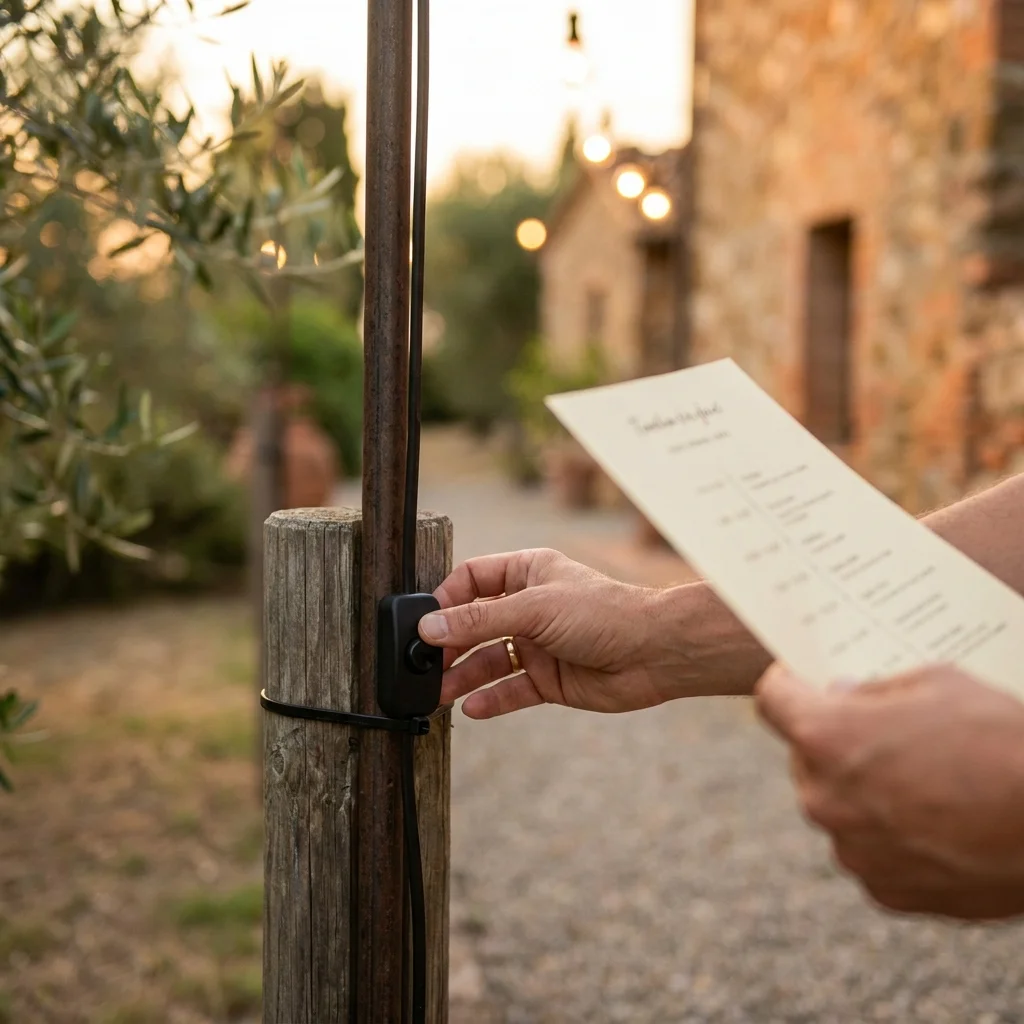
- Lighting installation rules — festoon lights strung between trees are a signature garden wedding look, but protected trees (olives, centuries-old cypresses) may not be drilled or wrapped. We coordinate with lighting designers who use weighted bases and freestanding structures instead.
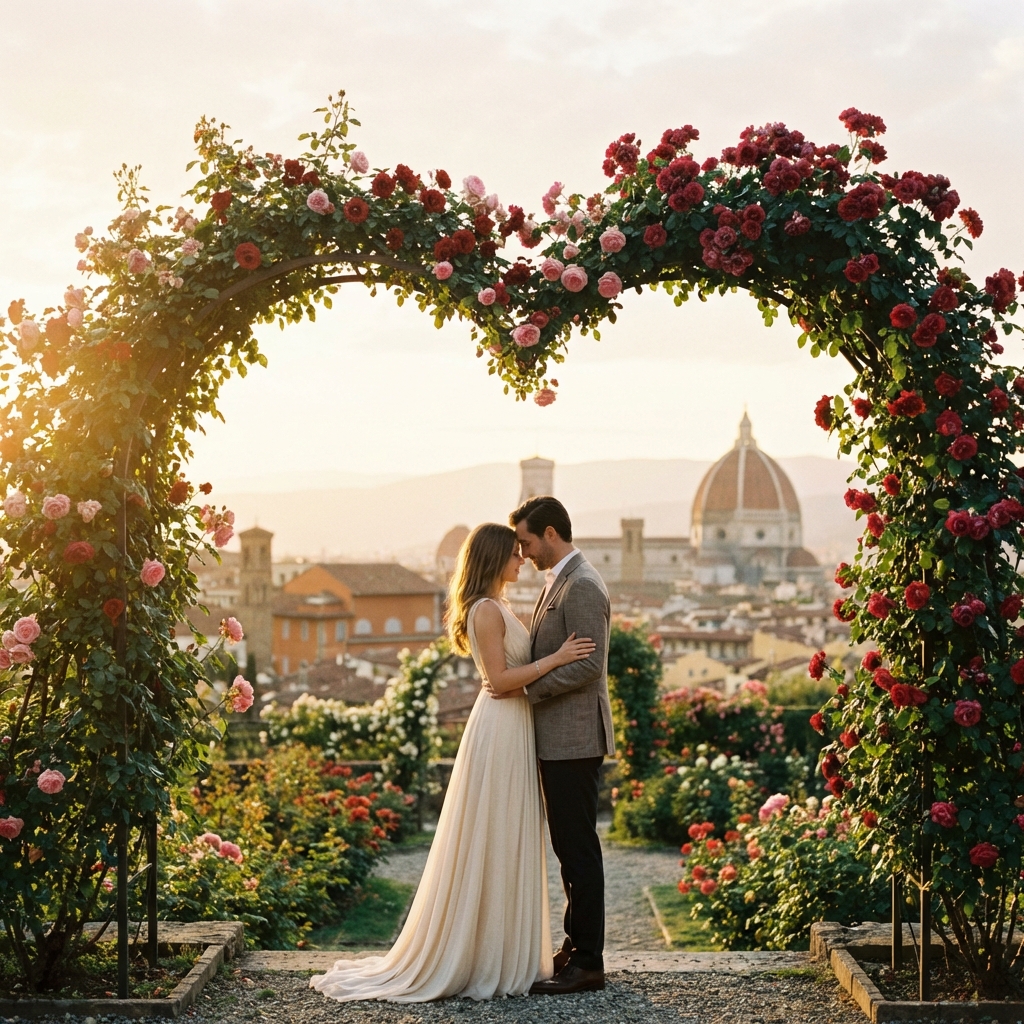
The result is a reception that feels unconstrained to guests — because the constraints were resolved months before they arrived.
Garden Wedding Italy: Indicative Cost Ranges by Region and Guest Count
The tables below reflect the ranges we see most frequently across our 2025–2026 garden wedding portfolio. They are starting points, not fixed quotes. Every garden wedding in Italy is priced based on the specific property, the vendor team, and the level of customization involved.
| Region | Guest Count | Venue Fee (Exclusive Use, 2–3 Nights) | Included | Quoted Separately |
|---|---|---|---|---|
| Tuscany (Chianti, Val d’Orcia) | 80–120 | €15,000–€45,000 | Garden ceremony area, indoor rain backup, on-site accommodation (8–16 rooms typical), tables and chairs | Catering, florals, lighting, music, permits, VAT (IVA 22%) |
| Lake Como | 60–100 | €20,000–€60,000 | Terraced garden access, lakefront ceremony point, partial accommodation | Boat transfers, catering, florals, lighting, music, permits, VAT (IVA 22%) |
| Lake Garda | 80–150 | €12,000–€35,000 | Garden and courtyard use, parking, some on-site rooms | Catering, florals, lighting, music, permits, VAT (IVA 22%) |
| Amalfi Coast (Ravello, Positano) | 50–80 | €18,000–€50,000 | Terrace/garden ceremony, indoor dining backup, limited accommodation | Catering, florals, lighting, music, shuttle transfers, permits, VAT (IVA 22%) |
| Liguria (Portofino, Santa Margherita) | 40–80 | €15,000–€40,000 | Garden or park ceremony area, partial indoor space | Catering, florals, lighting, music, boat logistics, permits, VAT (IVA 22%) |
Indicative ranges. Contact Kiss Me Italy for a personalized proposal.
For couples focused on specific destinations, our detailed cost breakdowns for Tuscany, Venice, the Amalfi Coast, and Portofino provide region-specific pricing with full inclusion detail.
| Vendor Category | Typical Range (Garden Wedding, 80–120 Guests) | Included in Range | Quoted Separately |
|---|---|---|---|
| Catering & Beverage | €180–€350 per person | 4–5 course seated dinner, cocktail hour, house wine and prosecco, water, coffee service, cake cutting | Premium wine upgrades, spirits bar, late-night food stations, VAT (IVA 22%) |
| Photography | €4,500–€9,000 | Full-day coverage (10–12 hours), single shooter, travel within region, online gallery delivery | Second shooter (+€1,200–€2,500), albums and prints, drone coverage, overnight accommodation if remote, VAT (IVA 22%) |
| Florals & Garden Styling | €5,000–€18,000 | Ceremony arch or installation, bridal bouquet, 2 bridesmaids’ bouquets, 8–12 table centerpieces, delivery and setup | Large-scale installations (pergola dressing, tree canopy), church florals, petal aisle, breakdown/removal, VAT (IVA 22%) |
| Lighting Design | €3,000–€12,000 | Festoon or string lighting for one garden zone, uplighting for ceremony area, power supply coordination | Full-property lighting, architectural projection, dance floor lighting, generator rental, VAT (IVA 22%) |
| Live Music (Ceremony + Reception) | €2,500–€8,000 | String trio for ceremony (1 hour), DJ for reception (4 hours), sound system | Full band, additional ceremony musicians, sound permits, travel outside region, VAT (IVA 22%) |
Indicative ranges. Contact Kiss Me Italy for a personalized proposal.
| Planning & Coordination | Range | Included | Quoted Separately |
|---|---|---|---|
| Full-service wedding planning (12–18 months) | €8,000–€20,000 | Venue scouting, vendor curation, timeline design, documentation support, multilingual coordination, week-of management, rehearsal direction | Legal/civil ceremony fees, apostille and translation services, guest welcome event coordination, post-wedding brunch, VAT (IVA 22%) |
| Month-of / Week-of coordination only | €3,500–€7,000 | Final vendor confirmation, timeline finalization, on-site coordination (ceremony + reception), emergency logistics | Venue scouting, vendor sourcing, documentation, VAT (IVA 22%) |
Indicative ranges. Contact Kiss Me Italy for a personalized proposal.
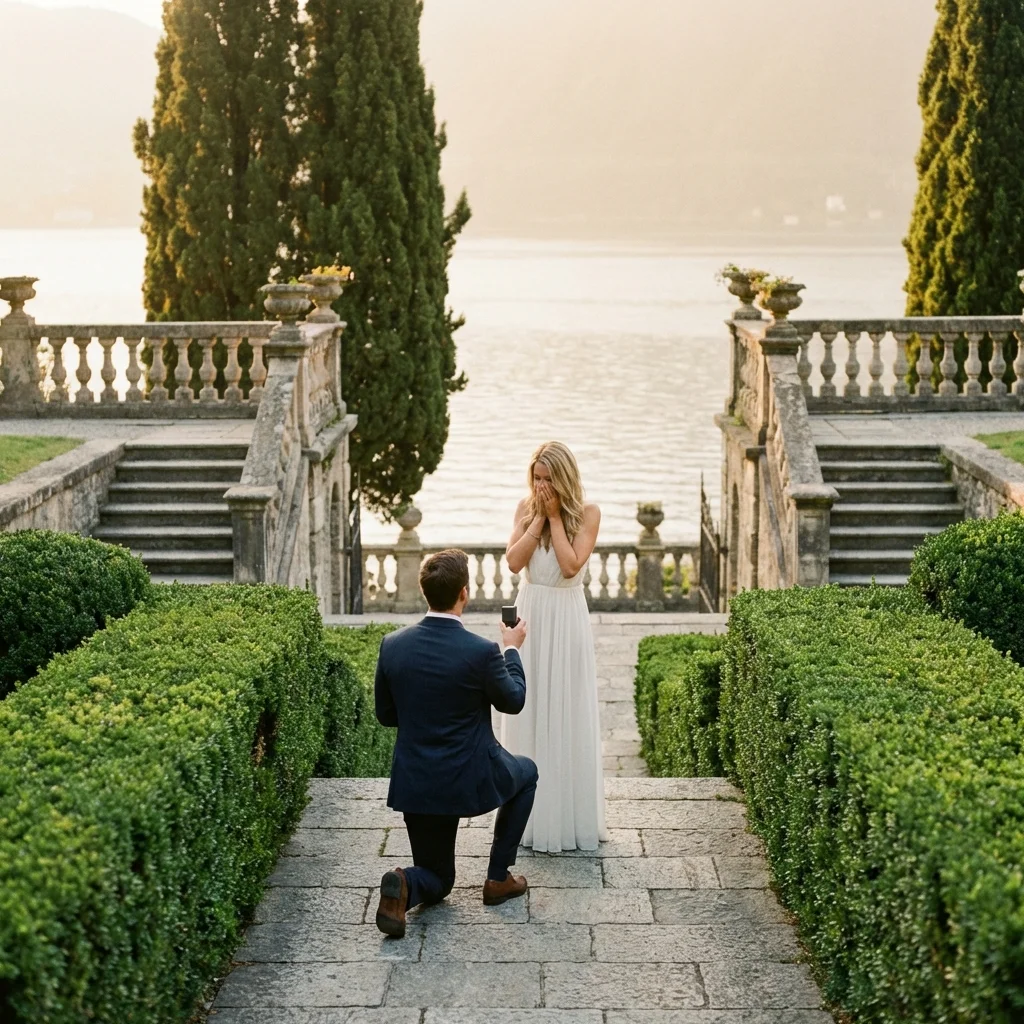
Which Ceremony Types Work in an Italian Garden — and Which Require a Church
The ceremony type determines whether a garden can serve as the legal venue or only the celebration space. This is a non-negotiable distinction under Italian law.
Symbolic ceremonies can take place in any garden, anywhere. No permits beyond the venue’s own event license are required. Most international couples who want a garden ceremony choose this route and handle their legal marriage at home or through a separate civil process in Italy. Related guide: pagan wedding in Italy.
Civil ceremonies in Italy must be performed by a municipal official in a location approved by the local comune. Some garden venues have obtained civil ceremony accreditation for their grounds — but many have not. We verify this during venue scouting. Where a garden lacks accreditation, we coordinate a brief civil ceremony at the town hall (often the morning of the wedding) and then stage the full symbolic celebration in the garden. Our guide to getting legally married in Italy as a foreigner covers the documentation timeline in detail.
Catholic ceremonies must take place inside a consecrated church. A garden reception follows the church service — a common and beautiful format in Tuscany and Umbria, where parish churches often sit within walking distance of estate properties. Protestant and Anglican ceremonies have more flexibility and can sometimes be conducted outdoors with the officiant’s approval.
On-Site Accommodation vs. Nearby Stays: The Guest Logistics That Shape the Weekend
A garden wedding at a private estate raises a question that ballroom weddings never do: where does everyone sleep?
Most Tuscan villa gardens accommodate 16–30 guests on-site. That works perfectly when the guest list is intimate. For larger celebrations — 80, 100, 150 — the majority of guests will stay at nearby hotels, agriturismi, or rental properties. The transfer logistics between accommodation and venue become a core planning element, not an afterthought.
We coordinate shuttle services timed to the event schedule: arrivals 30 minutes before the ceremony, a late departure after the last dance, and an interim shuttle for guests who want to leave early. In lakeside and coastal locations where road access is limited — particularly around Portofino and parts of the Amalfi Coast — boat transfers replace road shuttles entirely.
For couples who want a multi-day experience with guests on-site, we identify properties with enough accommodation capacity to support a welcome dinner, the wedding day, and a farewell brunch — all within the same garden estate. These full-buyout properties are our most requested category, and they book 12–16 months in advance for peak season.
Why Garden Light Demands a Specific Photography Approach — and How We Brief the Team
Here the tone shifts. Because a garden wedding in Italy is, at its core, a light event.
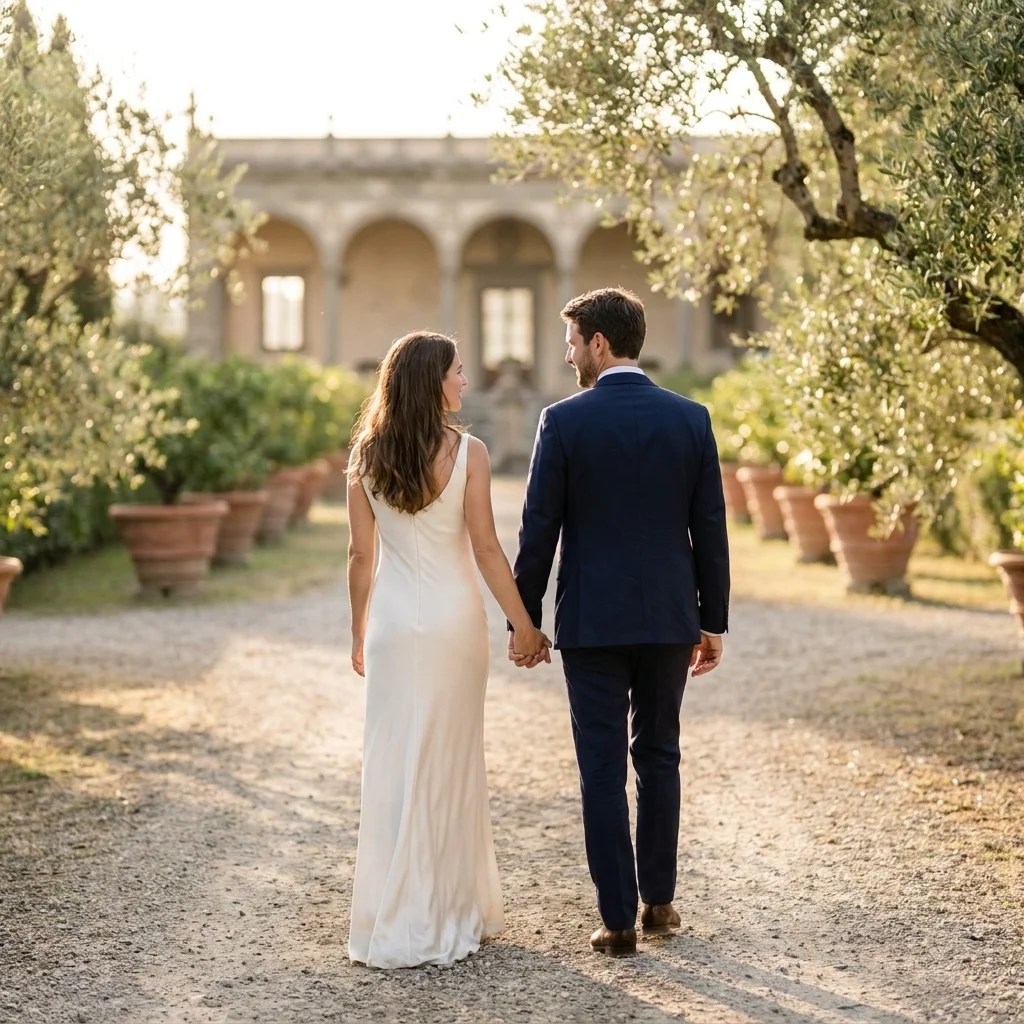
The canopy of a mature wisteria pergola filters afternoon sun into dappled patterns that move across faces and tablecloths. A ceremony under an open sky at 6 PM in June catches the Tuscan hills in a warm, horizontal glow that lasts nearly an hour. Dinner under string lights in a walled garden creates pools of warm amber against deep blue twilight. These are not accidental moments. They are planned visual outcomes that depend on the photographer understanding the specific garden’s orientation, tree cover, and light behavior at the exact hour of each event phase.
We brief every wedding photographer with a site-specific lighting plan that includes the garden’s compass orientation, shade patterns at ceremony time, and the best positions for golden-hour portraits. For couples who also want film coverage, our Tuscany videography partners receive the same brief, ensuring photography and video teams work the same light without competing for angles.
The result is editorial imagery that feels effortless — because the coordination behind it was precise.
The 14-Month Timeline: From First Inquiry to the Moment You Walk Through the Garden Gate
Garden weddings in Italy follow a longer planning timeline than indoor celebrations. The reason is simple: outdoor venues have limited seasonal availability and require more infrastructure coordination. Here is the timeline we recommend, working backward from a June wedding.
14–16 months before: Initial inquiry and venue shortlisting. We assess garden type, guest count compatibility, and regional fit. Site visits are scheduled for properties that pass the operational assessment.
12–14 months before: Venue contract signed. Deposit paid (typically 30–50% of venue fee). Key vendor bookings — photographer, caterer, florist — are confirmed. For couples requiring a civil ceremony, documentation timelines begin.
9–10 months before: Design phase. Lighting plan, floral concept, table layout, and menu tasting scheduled. Weather-contingency plan finalized with venue and caterer. Music and entertainment confirmed.
6 months before: Guest accommodation block reserved. Transfer logistics mapped. Ceremony rehearsal scheduled. Final vendor contracts reviewed.
3 months before: Final guest count confirmed. Seating plan drafted. Timeline distributed to all vendors. Any municipal permits (noise, temporary structures) submitted through Orosfera’s coordination.
Week of: On-site walkthrough with all lead vendors. Lighting installed and tested. Floral installations begin. Our team is on-site from 48 hours before the ceremony through breakdown.
This timeline is not rigid — it flexes for off-season weddings, smaller guest counts, and couples who have already identified their preferred venue. But for a peak-season garden wedding in Italy with 100+ guests, compressing below 10 months introduces unnecessary pressure on vendor availability and permitting.
Five Regions, Five Garden Characters: Where We Guide Couples Based on What They Actually Need
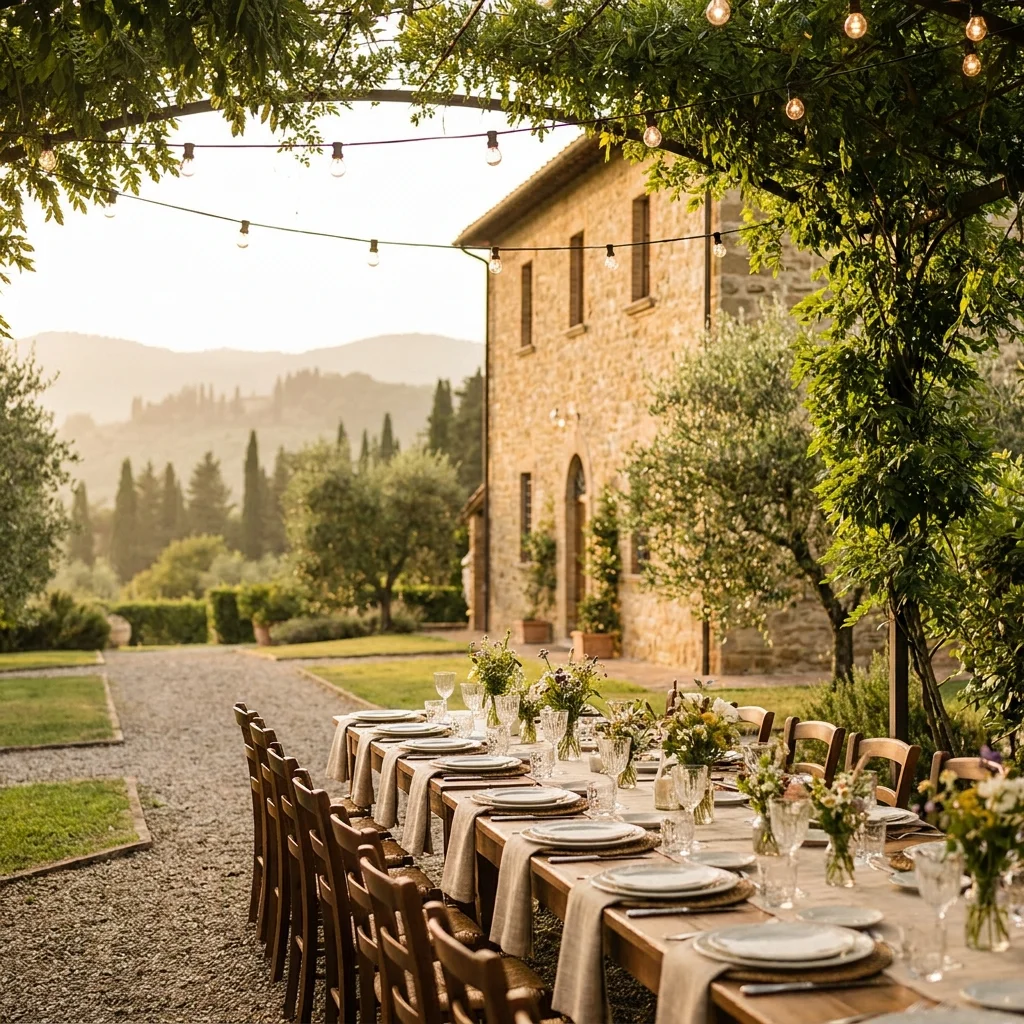
Every region offers a different garden experience. The choice is not just aesthetic — it’s logistical.
Tuscany delivers the widest range of garden estates, from intimate Chianti farms to grand Val d’Orcia properties with panoramic views. Airport access via Florence and Pisa is straightforward. Our Tuscany venue guide covers the sub-regional distinctions that matter for garden settings.
Lake Como offers terraced gardens with water views, but road access and parking are constrained. Guest logistics require more planning. The payoff is a visual backdrop that is genuinely unmatched in continental Europe.
Lake Garda combines lakeside gardens with better road infrastructure and lower venue costs than Como. It suits larger guest counts and couples arriving from multiple European cities, with Verona airport 30 minutes away.
Liguria — particularly the stretch from Cinque Terre to Santa Margherita Ligure — offers coastal garden settings where the scent of jasmine and pine mixes with sea air. Properties here tend to be smaller and more intimate.
The Amalfi Coast features cliffside terraced gardens where the vertical drama is extraordinary but the flat footprint is limited. Guest counts above 80 require careful layout planning. Our Amalfi Coast venue overview addresses these spatial realities directly.
Venice stands apart. A Venice wedding with garden elements is possible — several palazzo properties include private courtyard gardens — but the garden is typically a cocktail-hour space rather than the primary event setting.
The Garden You Imagine Exists — Our Work Is Making Sure It Functions
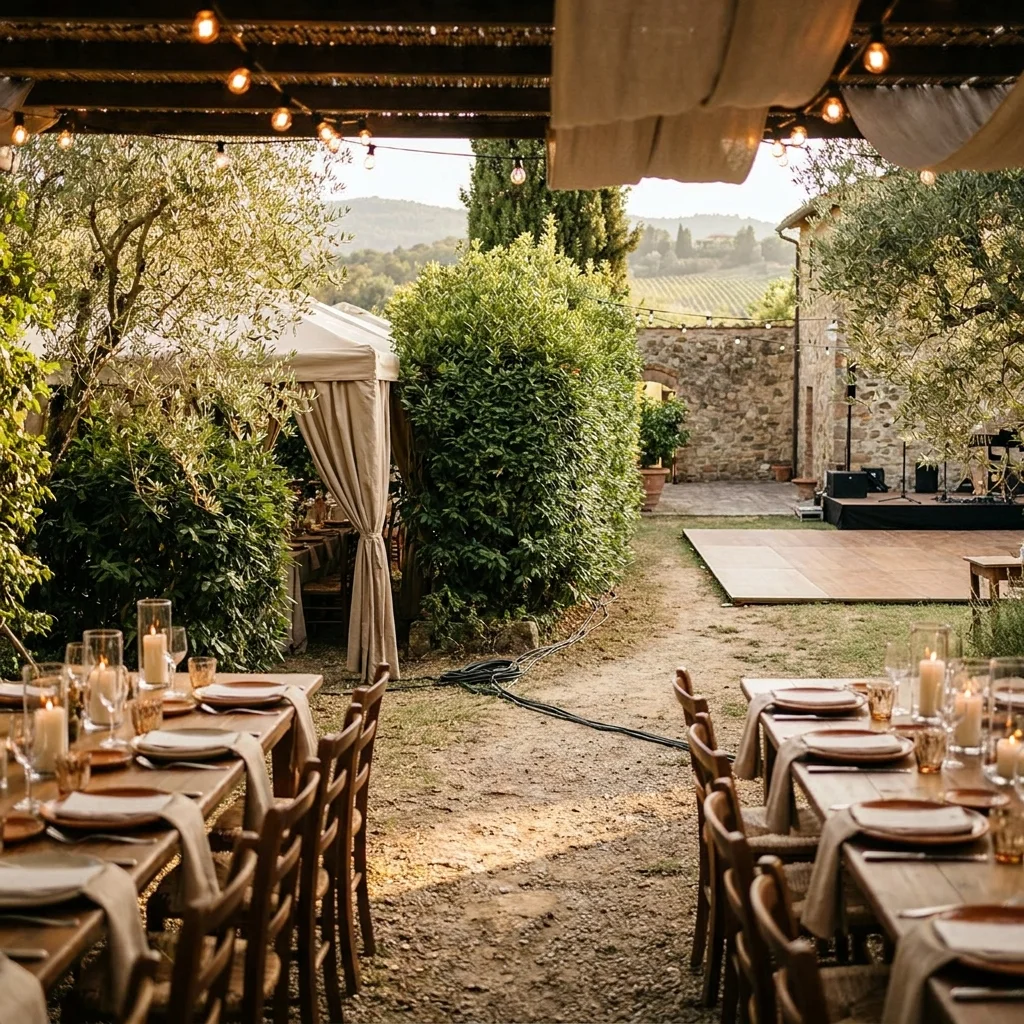
A garden wedding in Italy is one of the most visually and emotionally rewarding formats for a destination celebration. It is also one of the most operationally demanding. The beauty of the setting depends on infrastructure you never see: power lines buried under gravel paths, a kitchen tent concealed behind a hedge wall, a sound system calibrated to stay under municipal decibel limits while still filling a 120-person dinner with music.
That is the work we do at Kiss Me Italy, coordinated through Orosfera’s international logistics framework. We bridge the vision with the operational reality — so the garden you walk into on your wedding day feels exactly as you imagined, because every constraint was resolved long before you arrived.
Reach out to our team to begin the conversation. We start with your guest count, your preferred season, and your sense of the experience — and we build from there.
Frequently Asked Questions About Garden Weddings in Italy
Can we hold both the ceremony and reception in the same garden, or do Italian regulations require separate locations?
It depends on the ceremony type. Symbolic ceremonies can take place anywhere the venue owner permits, so the same garden can host both ceremony and reception. Civil ceremonies require a location approved by the local comune — some garden estates have this accreditation, many do not. We verify accreditation status during venue scouting and arrange alternatives when needed.
What happens if rain is forecast on the wedding day — do garden venues have indoor backup spaces?
Most estate-level garden venues include an indoor space — a limonaia, a salone, or a covered loggia — that serves as a rain contingency. We finalize the weather-pivot plan with the venue and caterer at least three months before the wedding, including a specific decision timeline (typically 48 hours before the event) so that table layouts, lighting, and florals can be adjusted without visible compromise.
Is it possible to extend the music past the standard Italian noise curfew at a garden venue?
In some cases, yes. Remote properties with no neighboring residences may have no effective curfew. In other cases, moving the post-dinner party indoors — into a stone-walled cellar or enclosed reception room — allows music to continue past the outdoor cutoff. We assess each venue’s noise environment and local ordinance before presenting it as an option.
How far in advance should we book a garden venue for a peak-season wedding in Tuscany or Lake Como?
For June through September dates, 14–16 months is the recommended lead time for the most sought-after properties. Some estates release their calendars 18 months ahead. Off-season weddings (April, May, October) can sometimes be secured with 8–10 months’ notice, though the best venues still book early.
Do garden venues in Italy typically include catering, or do we need to bring in an external caterer?
It varies significantly. Some estates have an in-house kitchen and require you to use their catering team. Others are venue-only and expect an external caterer to bring a full mobile kitchen. We clarify this during the scouting phase because it materially affects both the budget and the menu flexibility available to you.
Are there garden venues in Italy that can accommodate 200+ guests for both ceremony and seated dinner?
Yes, but the pool is smaller than most couples expect. Large-format garden weddings require properties with enough flat, unprotected lawn to install a marquee or open-air dining structure, plus adequate power, water, and road access for catering trucks. These properties are concentrated in southern Tuscany, Puglia, and parts of the Veneto. We maintain a curated shortlist specifically for celebrations above 150 guests.
What dress code guidance should we give guests for a formal garden wedding in Italy?
We recommend specifying “garden formal” or “cocktail attire” with a note about terrain — gravel paths, grass, and stone steps are common in Italian garden settings. A brief line on your wedding website about footwear (block heels or wedges over stilettos) and sun protection for afternoon ceremonies prevents discomfort without overcomplicating the dress code.
Can we install a temporary swimming pool, stage, or large structure in a garden venue?
Temporary structures are possible at many privately owned estates but subject to municipal building permits for anything above a certain footprint (typically 50 sqm). Heritage-protected properties may prohibit ground anchoring entirely. We coordinate with local authorities and the venue owner to determine what is feasible — and we present only venues where your specific infrastructure needs are already confirmed as permissible.
How does Kiss Me Italy handle vendor coordination across multiple languages and time zones?
Orosfera manages all multilingual coordination between the couple, the venue, and the Italian vendor team. Communication with international clients is conducted in English (or the couple’s preferred language), while vendor coordination happens in Italian. This bridge function eliminates the delays and misunderstandings that arise when couples try to manage Italian vendors directly from abroad.
Related on the Kiss Me Italy blog: Luxury Wedding Entertainment in Italy: Elegant Ideas, Acts & Planning Flow.