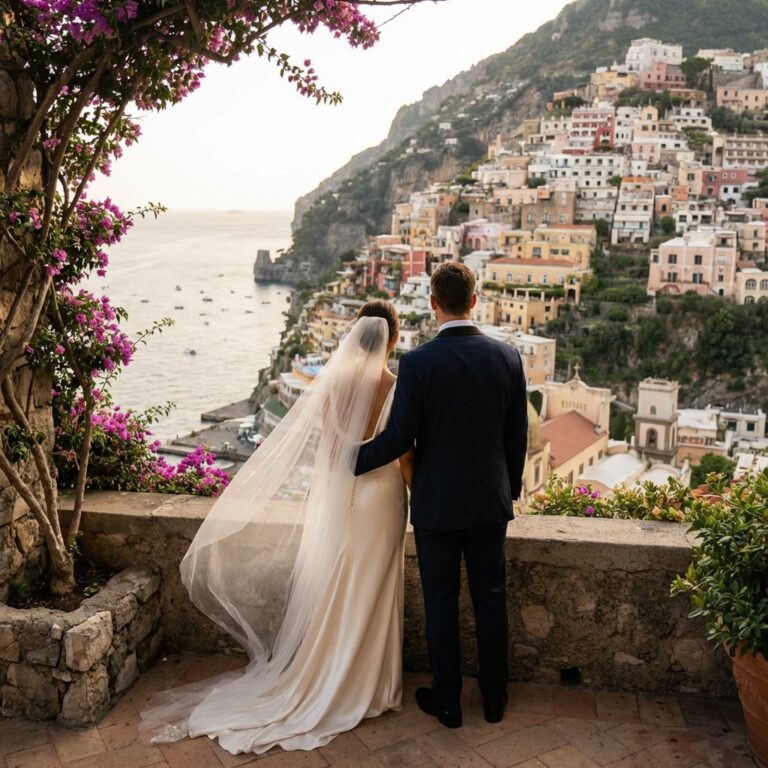
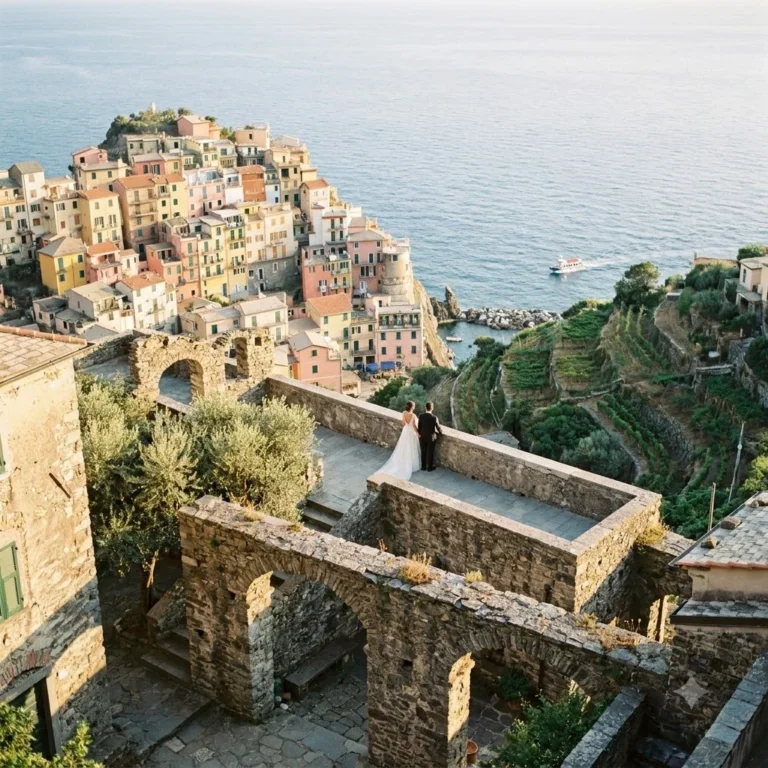
Italian Wedding Cake: Tradition, Styles & Flavours is never just dessert—it is the closing note of a celebration, a moment when craftsmanship meets joy, and your guests gather around something beautiful, fresh, and unmistakably Italian. Contact us to share your date and venue, and we’ll suggest Italian cake styles that suit your season and guest experience.
Italian Wedding Cake
From the delicate layers of a millefoglie assembled tableside to the rich warmth of a hazelnut gianduja torte, the cake you choose becomes part of the story your wedding tells.
This guide to Italian Wedding Cake: Tradition, Styles & Flavours will help you choose with confidence. It reflects the landscape, the season, the flavours of Italy, and the care you’ve woven into every detail. For couples planning a destination wedding in Italy, understanding the traditions, styles, and flavour profiles that define Italian wedding cakes ensures your choice feels both authentic and personal—a seamless expression of your vision.
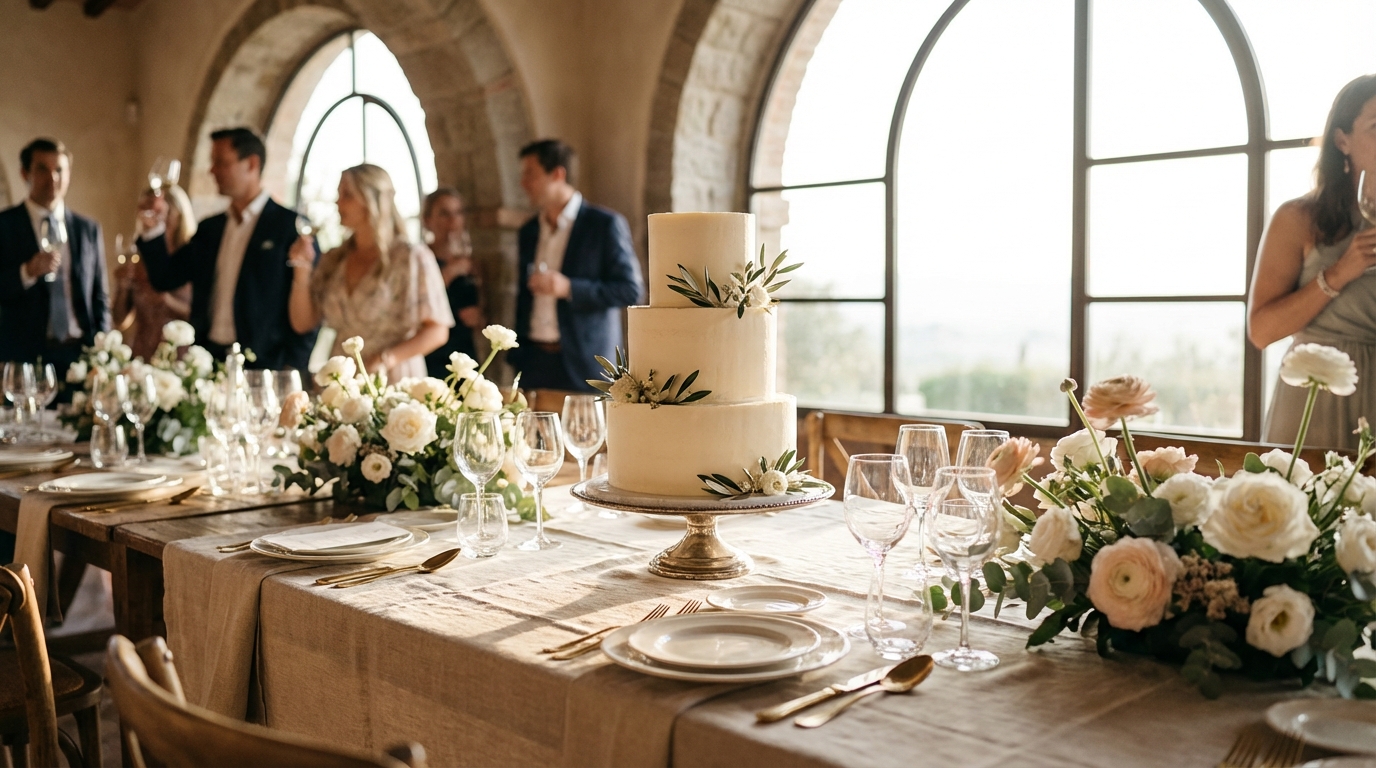
At Kiss Me Italy, we guide couples through every element of their celebration, including the selection of a wedding cake that honours Italian pastry tradition while perfectly complementing the aesthetic, season, and guest experience of your day. Whether you’re drawn to classic elegance or modern refinement, luxury wedding planner in Italy expertise means your cake becomes a curated highlight—never an afterthought. Bespoke luxury weddings in Italy demand this level of attention, and we’re here to coordinate every detail with your pastry chef, venue, and service timeline.
Why the Wedding Cake Matters in Italian Culture
In Italy, the wedding cake is a symbol of celebration, craftsmanship, and shared joy. It represents the culmination of the meal, the moment when guests pause, gather, and toast to the couple’s future. Unlike traditions in some countries where the cake is purely decorative or symbolic, Italian wedding cakes are designed to be enjoyed—fresh, flavourful, and made with exceptional ingredients. The pastry chef’s skill is on full display, and the cake itself becomes a reflection of the couple’s taste and the care invested in the celebration.
This cultural emphasis on quality and authenticity influences every decision: the choice of style, the seasonality of flavours, the presentation, and the way the cake is served. Italian wedding cake traditions prioritize the guest experience—ensuring that what looks beautiful also tastes extraordinary. For couples planning luxury weddings in Italy, understanding this cultural context helps you choose a cake that feels right, not just visually, but emotionally and gastronomically. It’s why we work closely with Italy’s finest pastry artisans, curating options that honour Italian wedding traditions while reflecting your personal style.
The meaning behind the cake also shapes practical considerations: Italians expect freshness, quality ingredients, and a cake that complements the menu rather than overwhelming it. This is why many Italian wedding cakes are lighter, cream-based, or citrus-forward—designed to close a multi-course feast with elegance rather than heaviness. We guide you through these nuances, ensuring your cake choice aligns with your venue, season, and the overall rhythm of your celebration.
The Signature Classic: Millefoglie (Live-Assembled Elegance)
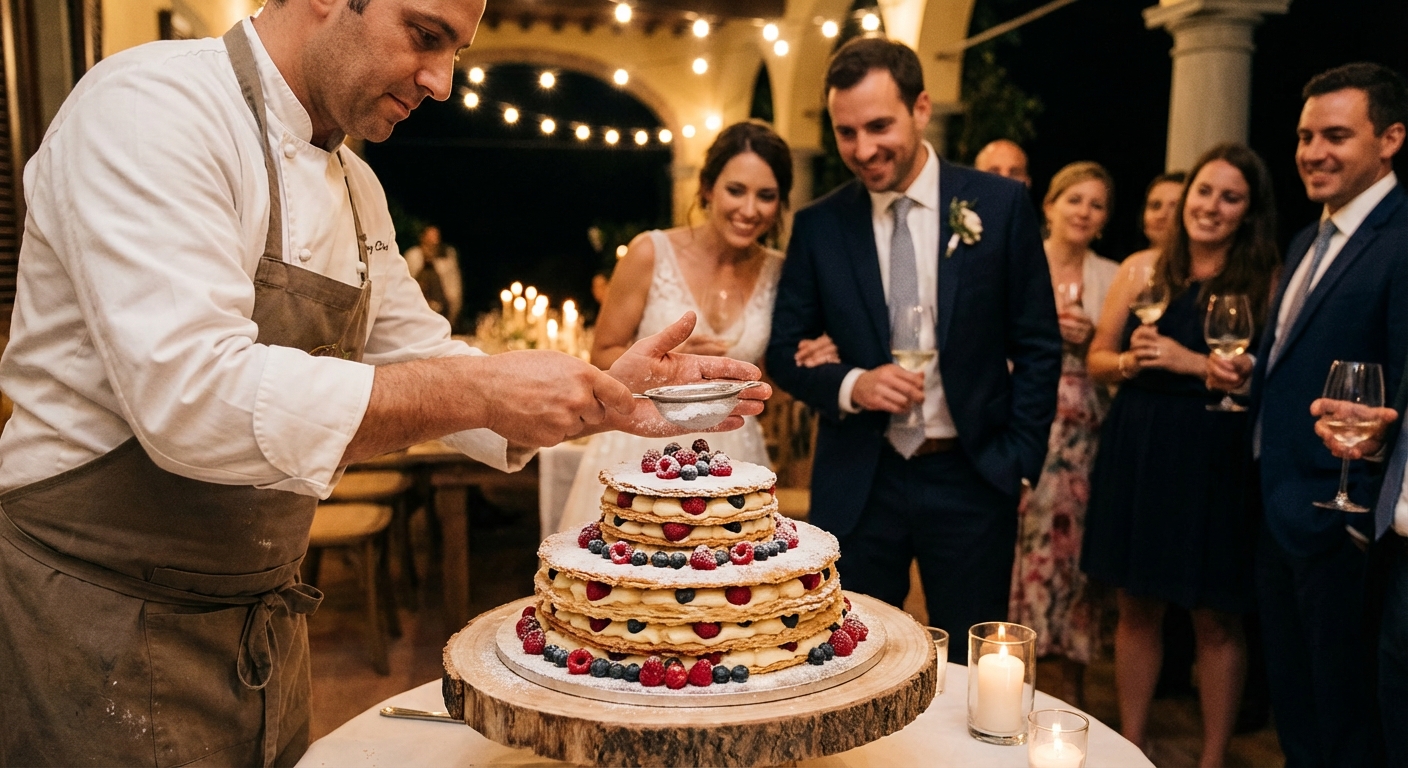
The millefoglie wedding cake is perhaps the most iconic and theatrical choice for an Italian celebration. Composed of delicate layers of puff pastry alternating with pastry cream, fresh fruit, or zabaglione, the millefoglie is often assembled tableside or just before service, ensuring maximum freshness and creating a moment of anticipation for your guests. This live-assembled approach transforms the cake into an experience—a performance of craftsmanship that guests watch unfold, heightening the sense of occasion and authenticity.
What makes the millefoglie so beloved is its balance: the pastry is light and crisp, the cream is rich but not heavy, and the overall effect is refined rather than overly sweet. It’s a cake that feels quintessentially Italian—elegant, ingredient-focused, and designed to be enjoyed immediately. The visual impact is striking: tall, layered, dusted with icing sugar, and often adorned with fresh berries or edible flowers. It’s a cake that photographs beautifully and tastes even better.
However, choosing a millefoglie does require thoughtful planning. The live-assembled nature means timing and service coordination are critical—the cake must be assembled close to serving time to preserve the pastry’s texture, and your service team needs to be prepared for the presentation. Weather and temperature also play a role; millefoglie is best suited to cooler seasons or climate-controlled venues, as heat can soften the pastry and cream. We manage all of these logistics for you, coordinating with your pastry chef, venue, and service staff to ensure the millefoglie is assembled at the perfect moment and served flawlessly.
Classic Italian Wedding Cake Styles (and What They Taste Like)
Quick glossary (what guests should expect):Pan di Spagna = airy sponge base; Torta Diplomatica = sponge + pastry cream with a richer, more indulgent bite; Profiterole tower = choux puffs filled with cream, served by portioning the tower; Crostata = tart-style dessert with crisp crust and fruit/cream filling; Millefoglie = puff pastry layers assembled close to service for maximum crunch.
Beyond millefoglie, Italy offers a rich repertoire of Italian wedding cake styles, each with its own character, flavour profile, and ideal setting. Understanding what to expect from each style helps you choose a cake that resonates with your taste and complements your celebration. Here’s a refined guide to the most beloved options:
- Pan di Spagna with Cream: A light, airy sponge cake layered with pastry cream, whipped cream, or fruit. Texture is soft and delicate; flavour is gently sweet and versatile. Best for couples seeking a classic, crowd-pleasing option that pairs well with any season or menu.
- Torta Diplomatica: A richer cousin of Pan di Spagna, featuring layers of sponge, pastry cream, and often candied fruit or chocolate. Texture is indulgent; flavour is sweet and nostalgic. Ideal for traditional celebrations and guests who appreciate classic Italian pastry.
- Profiterole Tower: A dramatic tower of cream-filled choux pastry, often drizzled with chocolate or caramel. Texture is light and airy; flavour is rich and playful. Perfect for couples who want a show-stopping presentation and a cake that feels celebratory and interactive.
- Crostata (Monumental Tart): A large, elegant tart with a buttery crust filled with pastry cream, fruit, or jam. Texture is crisp and tender; flavour is fresh and fruit-forward. Best for rustic or countryside settings, and couples who prefer a less sweet, more refined finish.
- Ricotta and Pear Cake: A moist, tender cake made with fresh ricotta and poached pears. Texture is dense and comforting; flavour is subtly sweet with a hint of spice. Ideal for autumn or winter weddings, and couples who love Italian home-style baking.
- Hazelnut and Gianduja Cake: A decadent cake featuring hazelnut layers and gianduja (chocolate-hazelnut) cream. Texture is rich and nutty; flavour is deeply satisfying. Perfect for chocolate lovers and cooler-season celebrations.
- Lemon and Olive Oil Cake: A light, fragrant cake made with fresh lemon and high-quality olive oil. Texture is moist and tender; flavour is bright and refreshing. Best for spring or summer weddings, coastal settings, and couples who want a cake that feels fresh and Mediterranean.
- Almond Cake with Citrus: A gluten-free option made with almond flour and citrus zest. Texture is dense and moist; flavour is nutty and aromatic. Ideal for intimate celebrations, guests with dietary preferences, and couples who appreciate simplicity and quality ingredients.
- Chestnut Cream Cake: A seasonal cake featuring chestnut cream and layers of sponge or meringue. Texture is rich and earthy; flavour is warm and autumnal. Perfect for fall or winter weddings in mountain or countryside venues.
Each of these styles reflects Italian pastry craftsmanship and a commitment to fresh, high-quality ingredients. We help you navigate these options, considering your venue, season, guest preferences, and overall wedding aesthetic, so your cake feels like a natural and delicious extension of your celebration.
Flavour Families: How Italians Think About Sweetness, Citrus, Nuts and Cream
Understanding Italian wedding cake flavours means thinking in terms of flavour families—categories that guide your choice based on season, setting, and the overall menu. Italian pastry chefs approach sweetness with restraint, prioritizing balance, freshness, and the quality of each ingredient. Here’s how to think about the core flavour directions:
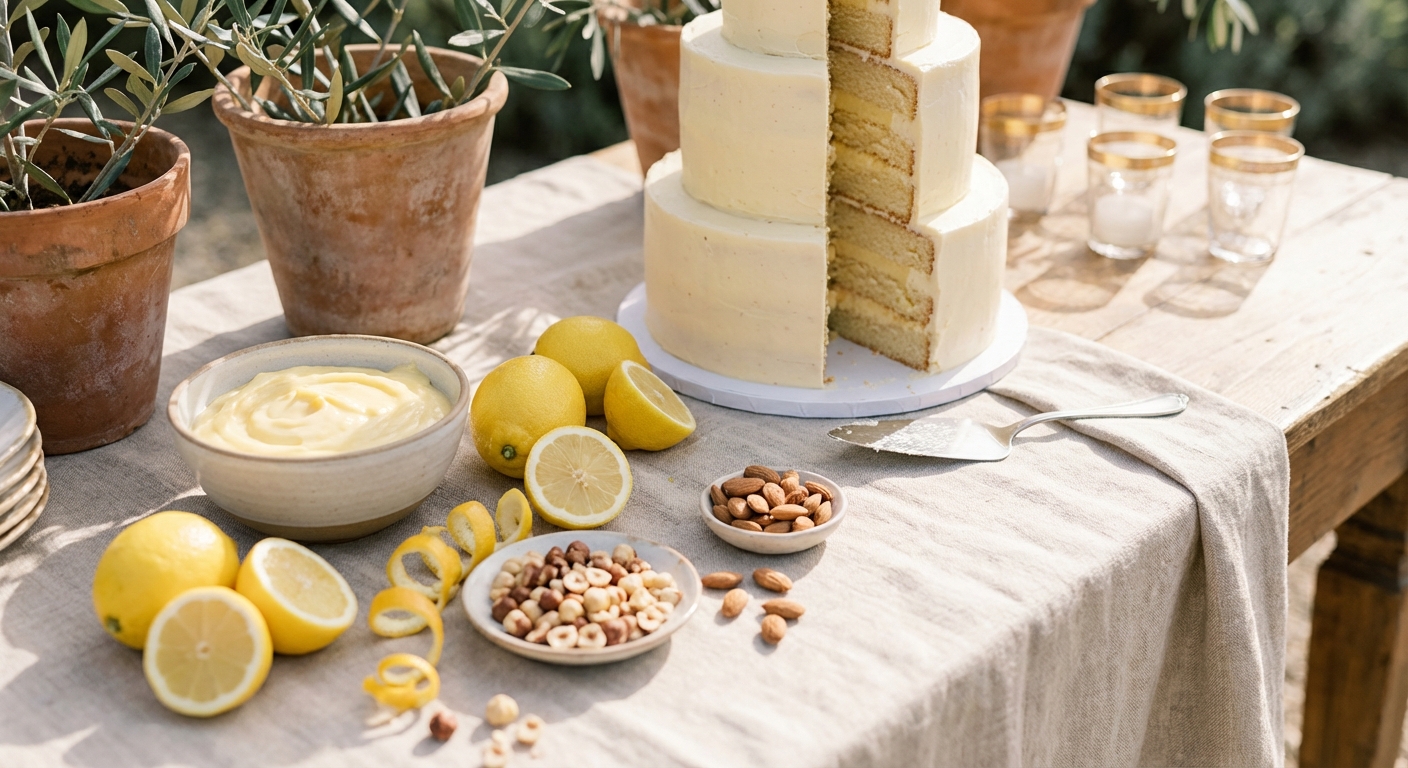
Citrus (Lemon, Orange, Bergamot): Citrus flavours are the epitome of Italian freshness—bright, clean, and uplifting. A lemon and olive oil cake or an orange-scented sponge feels light and Mediterranean, perfect for spring and summer weddings, coastal or lakeside settings, and menus that feature seafood or lighter fare. Citrus cuts through richness and leaves guests feeling refreshed rather than overly full.
Nuts (Almond, Hazelnut, Gianduja): Nut-based cakes offer richness, depth, and a sense of tradition. Hazelnut and gianduja are particularly beloved in northern Italy, while almond cakes are common in the south and islands. These flavours work beautifully in cooler seasons, countryside or mountain venues, and pair well with hearty, rustic menus. They also offer a gluten-free option without sacrificing flavour or texture.
Cream-Forward Profiles (Pastry Cream, Whipped Cream, Zabaglione): Cream is the heart of many classic Italian wedding cakes—soft, indulgent, and comforting. Cakes built around pastry cream or whipped cream layers feel traditional and celebratory, ideal for couples who want a cake that honours Italian pastry heritage. These cakes are versatile across seasons but require careful handling in warm weather.
Chocolate and Vanilla: While not uniquely Italian, chocolate and vanilla serve as familiar anchors that appeal to international guests. Gianduja adds an Italian twist to chocolate, while vanilla-scented sponge provides a neutral, elegant base that can be paired with fruit, cream, or liqueur. These flavours are crowd-pleasers and work well in any setting.
We guide you through these flavour families, considering your personal preferences, your menu, and the experience you want to create. If you’re planning a summer celebration by Lake Como, we might recommend a lemon and olive oil cake or a fresh berry crostata. For a winter wedding in Tuscany, a hazelnut gianduja or chestnut cream cake could be the perfect choice. Italian wedding menu ideas often inform cake selection, ensuring the dessert complements rather than competes with the rest of your meal.
Aesthetics & Design: From Classic to Modern Italian Wedding Cake Looks
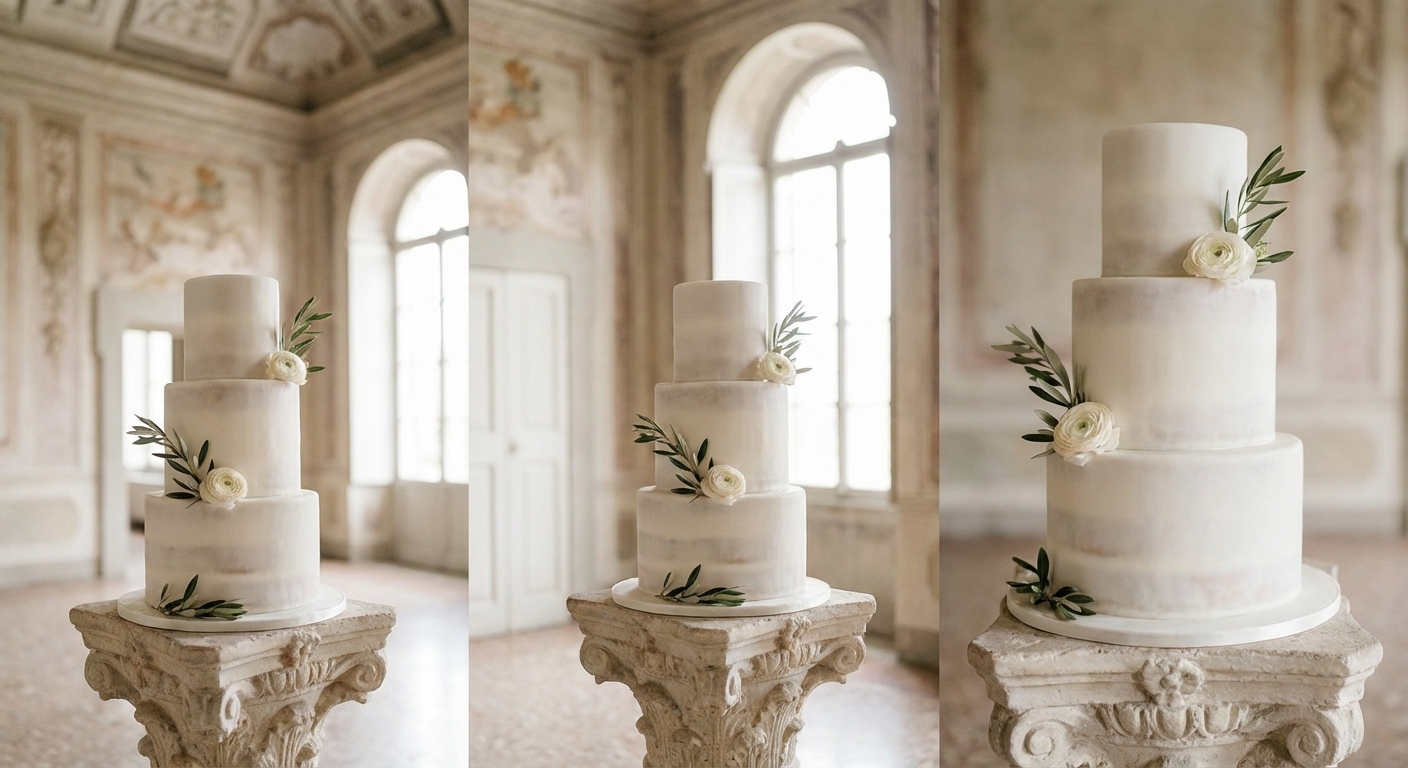
The visual identity of your wedding cake should echo the overall design of your celebration—whether that’s classic elegance, modern minimalism, rustic charm, or vintage romance. Italian wedding cake aesthetics tend to prioritize natural beauty, fresh ingredients, and understated refinement over towering tiers or heavy fondant. This approach aligns with the Italian philosophy of letting quality speak for itself.
Classic Italian wedding cakes often feature simple, elegant lines: a single-tier or two-tier cake dusted with icing sugar, adorned with fresh flowers, or finished with a delicate glaze. The focus is on the quality of the pastry, the freshness of the cream, and the beauty of natural garnishes—figs, berries, edible flowers, or citrus zest. This style works beautifully in historic villas, lakeside estates, and formal settings where tradition and sophistication are paramount.
Modern Italian wedding cakes embrace clean lines, geometric shapes, and contemporary presentation—think a sleek, single-tier cake with a glossy glaze, minimalist decoration, and a focus on texture and colour. These cakes suit urban venues, modern art galleries, or couples who want a refined, fashion-forward aesthetic. The flavours remain rooted in Italian tradition, but the presentation feels current and editorial.
Rustic Italian wedding cakes celebrate the beauty of imperfection: a naked or semi-naked cake with visible layers, fresh fruit tumbling down the sides, and a relaxed, organic feel. This style is ideal for countryside weddings, vineyard celebrations, or outdoor settings where the cake becomes part of a larger, natural tablescape. The emphasis is on freshness, seasonality, and a sense of abundance.
Vintage Italian wedding cakes draw inspiration from mid-century Italian pastry traditions—ornate piping, delicate sugar flowers, and a sense of nostalgia. These cakes work well in historic settings, romantic gardens, or celebrations that embrace a sense of timeless elegance. The flavours are often classic—Pan di Spagna with pastry cream, or a Torta Diplomatica—presented with meticulous craftsmanship.
We work with you to align your cake’s aesthetic with your overall wedding design, ensuring every element—from the flowers to the table linens to the cake itself—feels cohesive and intentional. Italian cakes may prioritize freshness and structure over tall tiers, and we help you understand why that choice often results in a more beautiful, more delicious, and more authentically Italian experience.
How to Choose the Perfect Italian Wedding Cake (a Simple Decision Framework)
Choosing the right Italian wedding cake involves balancing tradition, personal taste, and practical considerations. The perfect cake is one that fits your season, venue setting, guest experience, and overall wedding vision—and we guide you through that decision with clarity and confidence. Here’s a simple framework to help you think through your options:
Decision Factors:
- Season: Spring and summer call for lighter, citrus-forward, or fruit-based cakes (lemon olive oil, berry crostata, millefoglie with fresh fruit). Autumn and winter suit richer, nut-based, or cream-heavy cakes (hazelnut gianduja, chestnut cream, ricotta and pear).
- Venue Setting: Lakeside or coastal venues pair beautifully with fresh, Mediterranean flavours (citrus, almond, light cream). Countryside or vineyard settings suit rustic, fruit-forward, or nut-based cakes. City or historic venues can carry more formal, classic styles (Pan di Spagna, Torta Diplomatica, profiterole tower).
- Guest Count: Larger guest counts (100+) benefit from cakes that are easy to portion and serve quickly (Pan di Spagna, crostata, profiterole tower). Smaller, intimate celebrations (20-50 guests) allow for more delicate, live-assembled options (millefoglie, single-tier artisan cakes).
- Guest Experience: Do you want a show-stopping presentation (profiterole tower, live-assembled millefoglie) or a quietly elegant finish (single-tier lemon cake, rustic crostata)? Consider how the cake moment fits into your celebration’s rhythm.
- Ingredients and Quality Standards: Italian pastry chefs prioritize fresh, seasonal, high-quality ingredients. We work with artisans who source local citrus, organic dairy, and premium nuts—ensuring your cake tastes as extraordinary as it looks.
Mini Decision Matrix:
- Summer lakeside wedding, 80 guests, modern aesthetic: Lemon and olive oil cake or berry crostata—fresh, light, elegant.
- Autumn countryside wedding, 120 guests, rustic style: Ricotta and pear cake or hazelnut gianduja—warm, seasonal, crowd-pleasing.
- Spring coastal wedding, 50 guests, classic elegance: Millefoglie with fresh fruit or almond citrus cake—refined, fresh, intimate.
- Winter city wedding, 100 guests, vintage romance: Pan di Spagna with pastry cream or chestnut cream cake—traditional, indulgent, timeless.
- Intimate elopement, 20 guests, any season: Single-tier artisan cake in your favourite flavour—personal, flexible, beautifully crafted.
For couples planning from abroad, understanding these nuances can feel overwhelming—and that’s exactly where our expertise becomes invaluable. We know the best pastry chefs in each region, understand the logistics of transport and service, and can recommend the perfect cake for your specific celebration. Whether you’re planning a Lake Como wedding planning experience, a Lake Garda wedding, a Portofino wedding by the Italian Riviera, or a Venice wedding in a historic palazzo, we tailor your cake choice to the setting, season, and guest experience you envision.
For couples considering smaller celebrations, we also offer guidance on getting married in Italy as a US citizen, and can help you explore options for an intimate wedding in Italy or even elope in Italy with a beautifully crafted cake as part of your celebration. Our elopement packages in Italy include coordination with the finest pastry artisans, ensuring even the smallest celebration feels extraordinary.
Common Planning Mistakes to Avoid (Especially for Destination Weddings)
Planning a destination wedding in Italy means navigating details that may differ from what you’re accustomed to at home—and the wedding cake is no exception. Here are the most common mistakes we help couples avoid, ensuring your cake arrives fresh, looks beautiful, and tastes extraordinary:
Underestimating Heat and Seasonality: Italy’s summer heat can be intense, especially in coastal or southern regions. Cream-based cakes, millefoglie, and delicate pastries require climate control and careful timing. If your venue lacks air conditioning or your celebration is outdoors, we recommend lighter, more stable options—citrus cakes, almond cakes, or crostata—that hold up beautifully in warm weather. We coordinate with your pastry chef and venue to ensure the cake is stored, transported, and served at the optimal temperature.
Ignoring Timeline and Service Considerations for Live-Assembled Cakes: Live-assembled cakes like millefoglie are stunning, but they require precise timing. The cake must be assembled close to serving time, and your service team needs to be prepared for the presentation. If your celebration includes a long cocktail hour, multiple courses, or a late dinner service, we adjust the timeline to ensure the cake is assembled and served at the perfect moment—never rushed, never delayed.
Choosing Overly Heavy Flavours for Summer Celebrations: Rich, chocolate-heavy, or cream-laden cakes can feel overwhelming after a multi-course Italian feast, especially in warm weather. We guide you toward flavours that complement your menu and season—fresh, bright, and satisfying without being heavy. The goal is for your guests to enjoy the cake, not feel too full to appreciate it.
Misjudging Portioning and Guest Count Alignment: Italian wedding cakes are often portioned differently than multi-tiered American cakes. A single-tier cake may serve 50-80 guests depending on the style and portion size, while a two-tier cake can easily serve 100+. We work with your pastry chef to ensure the cake size matches your guest count, avoiding waste or shortages. We also coordinate with your catering team to ensure smooth, efficient service.
Overlooking Transport and Venue Logistics: Some Italian venues—historic villas, hilltop castles, island locations—present logistical challenges for cake delivery and setup. We manage all coordination with your pastry chef, ensuring the cake arrives safely, is set up beautifully, and is ready for your celebration. Our team handles every detail, so you never have to worry about the behind-the-scenes complexity.
FAQ: Italian Wedding Cake Traditions, Styles & Flavours
What is the traditional Italian wedding cake?
There is no single “traditional” Italian wedding cake—Italy’s regional diversity means different areas favour different styles. However, the most iconic and widely recognized is the millefoglie, a live-assembled cake of puff pastry layers and pastry cream. Other classics include Pan di Spagna with cream, Torta Diplomatica, and profiterole towers. The unifying thread is a focus on fresh ingredients, pastry craftsmanship, and flavours that complement rather than overwhelm the meal.
What is millefoglie and why is it popular for Italian weddings?
Millefoglie (meaning “a thousand leaves”) is a delicate cake made of thin layers of puff pastry alternating with pastry cream, fruit, or zabaglione. It’s popular because it’s light, elegant, and often assembled tableside, creating a theatrical moment that guests remember. The freshness and craftsmanship required make it a symbol of Italian pastry excellence, and its refined flavour profile makes it a perfect finish to a multi-course Italian feast.
Do Italian weddings have tiered cakes?
Italian weddings traditionally favour single-tier or two-tier cakes rather than the tall, multi-tiered cakes common in the US or UK. The emphasis is on freshness, quality, and ease of service rather than height or dramatic presentation. However, modern Italian weddings may incorporate tiered designs, especially for larger guest counts or couples who want a more international aesthetic. The key is that the cake remains fresh, delicious, and true to Italian pastry standards.
What are the most popular Italian wedding cake flavours?
The most popular flavours include lemon and citrus (fresh and Mediterranean), hazelnut and gianduja (rich and nutty), almond (elegant and often gluten-free), ricotta and pear (comforting and seasonal), and pastry cream or whipped cream (classic and indulgent). Chocolate and vanilla are also common, especially when paired with Italian ingredients like gianduja or vanilla-scented sponge. The choice depends on season, setting, and personal preference.
Are there regional Italian wedding cakes?
Yes, Italy’s regional diversity extends to wedding cakes. In Sicily, you might find cassata or almond-based cakes. In Piedmont, hazelnut and gianduja are beloved. In Campania, ricotta-based cakes and sfogliatelle-inspired designs are popular. In Tuscany, chestnut cream cakes appear in autumn and winter. We work with pastry chefs across Italy who understand and honour these regional traditions, helping you choose a cake that reflects the location and culture of your celebration.
How do you choose a wedding cake for a destination wedding in Italy?
Choosing a cake for a destination wedding in Italy involves considering season, venue setting, guest count, and your overall wedding aesthetic. We guide you through the decision, recommending styles and flavours that suit your specific celebration—whether that’s a summer lakeside wedding calling for a light lemon cake, or a winter countryside celebration perfect for a rich hazelnut gianduja. We also manage all logistics, from pastry chef coordination to transport and service timing, ensuring your cake arrives fresh and is served flawlessly.
What’s the difference between Pan di Spagna with cream and other Italian cakes?
Pan di Spagna is a light, airy sponge cake that serves as the base for many Italian wedding cakes. When layered with pastry cream, whipped cream, or fruit, it becomes a versatile, crowd-pleasing option that’s neither too heavy nor too sweet. Other Italian cakes may use different bases—puff pastry (millefoglie), choux pastry (profiterole), tart crust (crostata), or nut-based batters (almond, hazelnut)—each offering a distinct texture and flavour profile. Pan di Spagna is the most neutral and adaptable, making it a safe choice for diverse guest preferences.
What modern trends are shaping Italian wedding cakes today?
Modern Italian wedding cakes embrace minimalist aesthetics, clean lines, and contemporary presentation while honouring traditional flavours and craftsmanship. You’ll see single-tier cakes with glossy glazes, naked or semi-naked cakes with fresh fruit, and geometric designs that feel editorial and refined. There’s also a growing interest in seasonal, locally sourced ingredients, gluten-free and dietary-inclusive options, and cakes that reflect the couple’s personal story. The trend is toward authenticity, quality, and a cake that feels both Italian and uniquely yours.
How far in advance should we decide on the wedding cake in Italy?
We recommend finalizing your cake choice 3-4 months before your wedding date, especially if you’re working with a sought-after pastry chef or planning a custom design. This timeline allows for tastings (if you’re able to visit Italy beforehand), design refinement, and coordination with your venue and catering team. However, we can accommodate shorter timelines when needed—our relationships with Italy’s finest pastry artisans mean we can curate options and manage logistics efficiently, even with less lead time.
Is tiramisu a wedding cake in Italy?
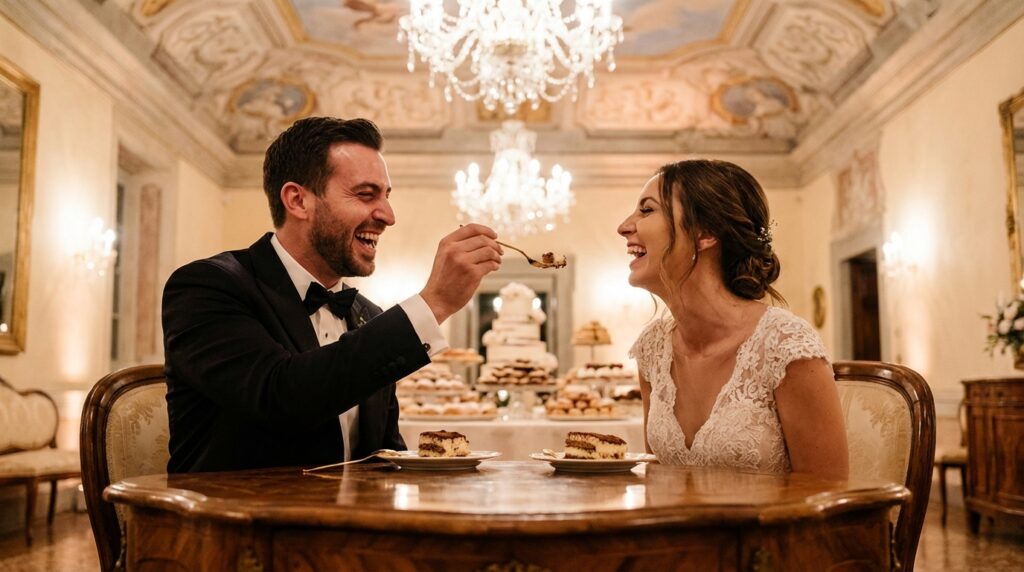
Tiramisu is occasionally served as a wedding dessert in Italy, but it’s more commonly offered as part of a dessert buffet rather than as the main wedding cake. Its soft, spoonable texture makes it less suited to traditional cake service and presentation. However, some couples choose a tiramisu-inspired cake—a layered sponge with mascarpone cream and coffee—that captures the flavour while offering a more structured, sliceable format. We can help you explore this option if tiramisu holds special meaning for you.
Conclusion: Choosing a Cake That Feels Unmistakably Italian
Italian Wedding Cake: Tradition, Styles & Flavours is more than dessert—it’s a reflection of tradition, craftsmanship, and the care you’ve invested in every detail of your celebration. From the delicate layers of a millefoglie to the warm richness of a hazelnut gianduja, the cake you choose becomes part of the story your wedding tells, a moment your guests will remember long after the last bite. Understanding Italian wedding cake traditions, styles, and flavours ensures your choice feels authentic, personal, and perfectly suited to your season, setting, and vision.
At Kiss Me Italy, we guide you through every element of this decision—curating options, coordinating with Italy’s finest pastry artisans, and managing every logistical detail so your cake arrives fresh, looks extraordinary, and tastes unforgettable. Whether you’re drawn to classic elegance, modern refinement, or rustic charm, we ensure your cake reflects the beauty and sophistication of your celebration. The complexity of planning a destination wedding in Italy—from pastry chef selection to transport logistics to service timing—is something we manage seamlessly, so you can focus on the joy of your day.
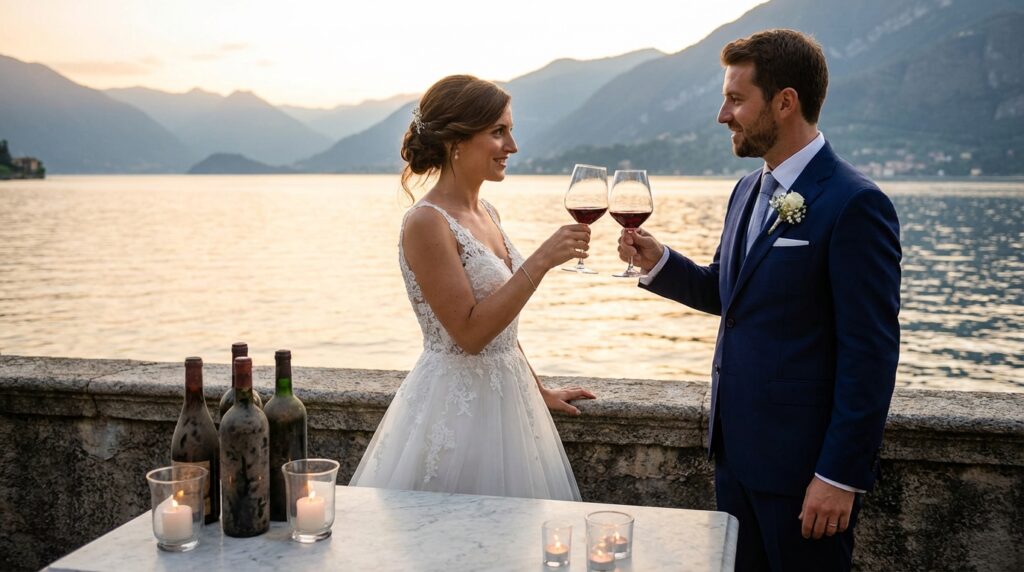
Your wedding in Italy deserves a cake that honours the landscape, the season, and the Italian tradition of celebrating with exceptional food and wine. We’re here to make that happen, with the expertise, relationships, and attention to detail that define every Kiss Me Italy celebration. If you’re ready to explore cake options that feel unmistakably Italian and perfectly yours, reach out and begin the conversation—we’ll help you finalize your cake direction as part of the overall wedding planning experience, ensuring every element of your celebration feels cohesive, elegant, and unforgettable. You may also enjoy our guide to romantic getaways in Italy as you plan the travel side of your celebration.
Related on the Kiss Me Italy blog: italy wedding venues.