Tuscany Wedding Photos: Light, Locations, and the Planning Behind a Refined Gallery
Refined Tuscany wedding photos are shaped long before the photographer arrives — by venue access, ceremony timing, and the golden-hour travel window between the reception and the last cypress-lined ridge. A full day of editorial coverage in Tuscany typically ranges from €3,500 to €9,500 for a single photographer, with second shooter, film, drone, albums, post-production, and travel quoted as separate lines. The most photographed settings — Florence’s Renaissance terraces, Chianti’s vineyard slopes, and the bare clay folds of the Val d’Orcia — each demand a different schedule, a different lens, and a different production rhythm.
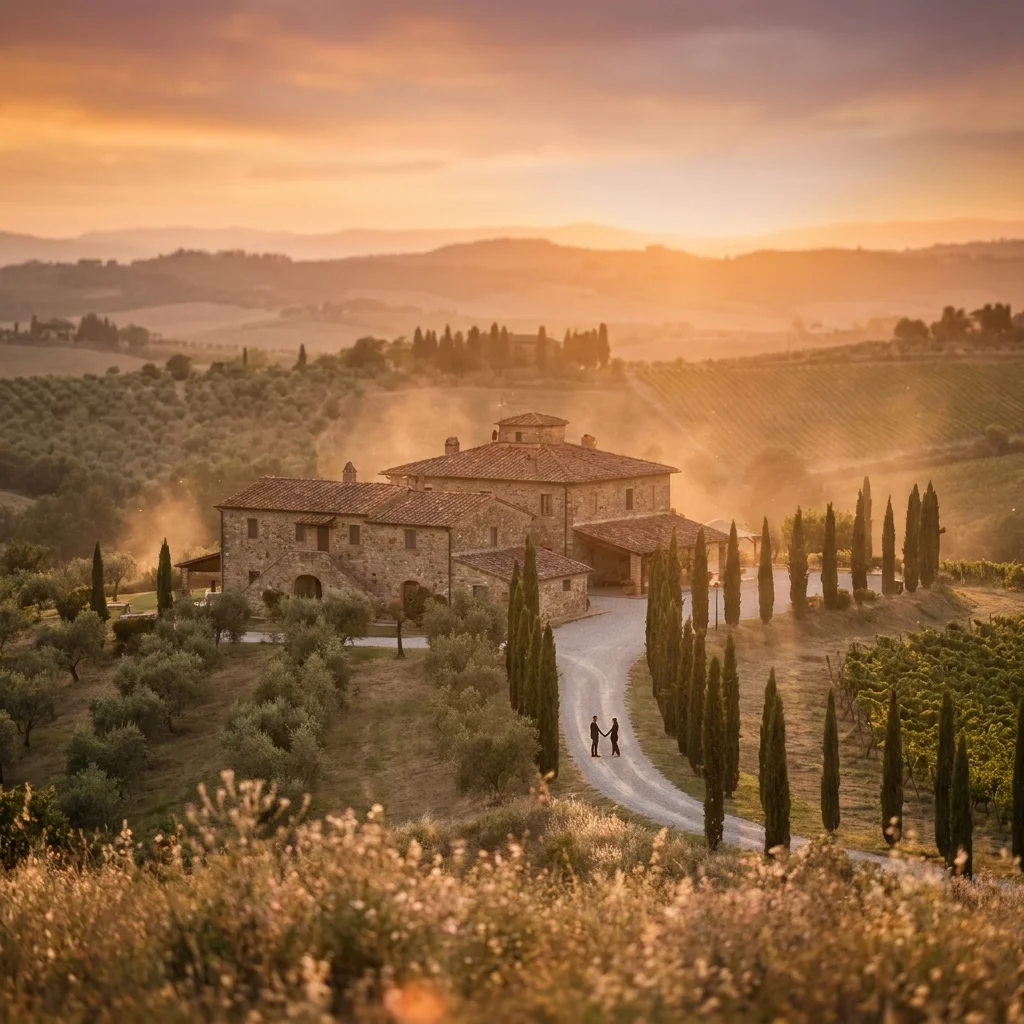
The first thing I notice on a Tuscan ceremony morning is the dust. Not unpleasant — a fine, pale ochre that rises from gravel drives and settles into the warm light, softening every edge so the whole scene reads like a painting left in the sun. That dust is also why a hilltop estate at the end of a kilometre of unpaved road needs a transport plan, not just a pretty backdrop. At Kiss Me Italy, we treat the gallery as a composition that begins with logistics and ends with light. This article explains how we curate that composition — and why the planning, not the camera, is what makes Tuscan wedding photography feel effortless.
Florence Stone vs Chianti Vineyard: Two Tuscan Galleries, Two Production Plans
People imagine “Tuscany wedding photos” as one aesthetic. They are not. Florence and Chianti produce entirely different galleries, and the choice between them shapes the entire visual day.
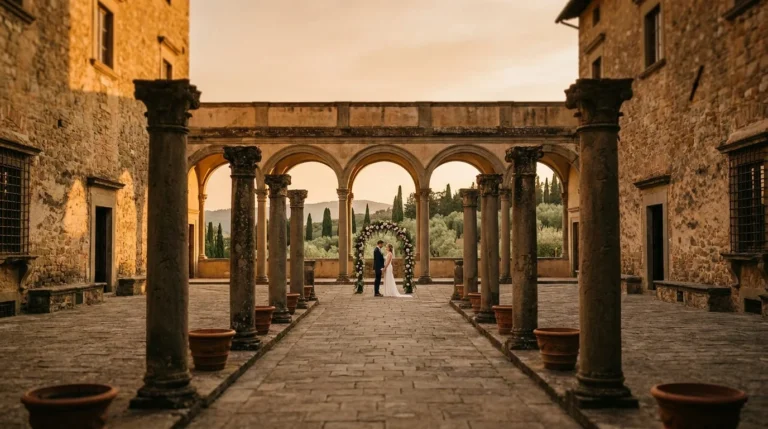
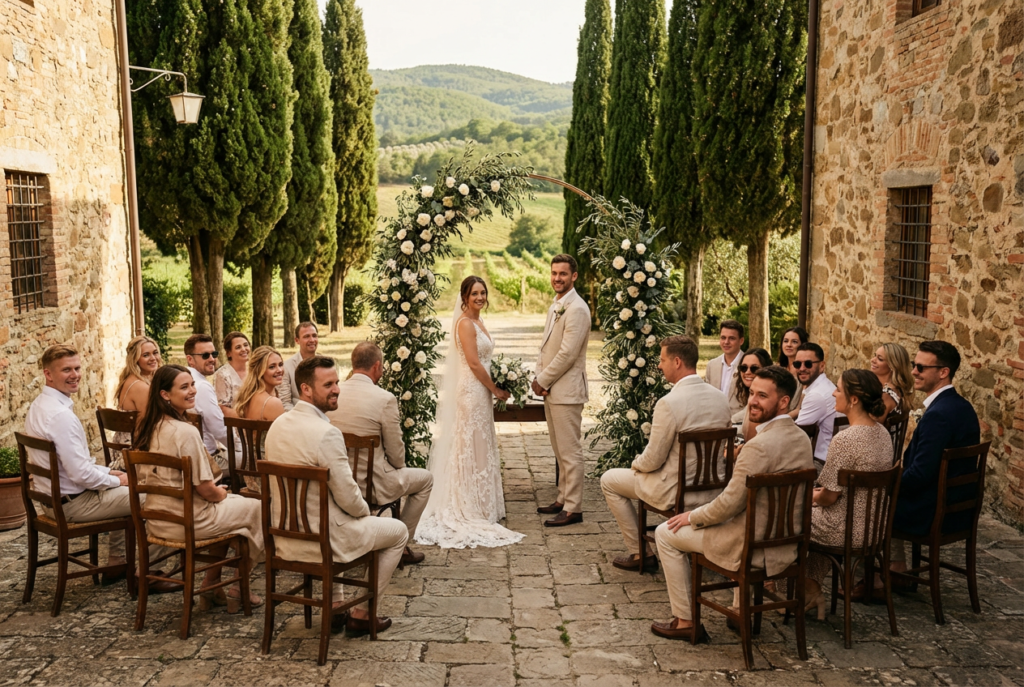
Florence is architectural. The light bounces off pietra serena — that cool, grey-blue stone — and gives portraits a clean, sculptural quality, especially on a loggia or a walled terrace overlooking the terracotta rooftops. The texture here is hard and luminous. We schedule city portraits for the first hour after sunrise or the last before dusk, because between eleven and four the stone holds heat and the squares fill with crowds.
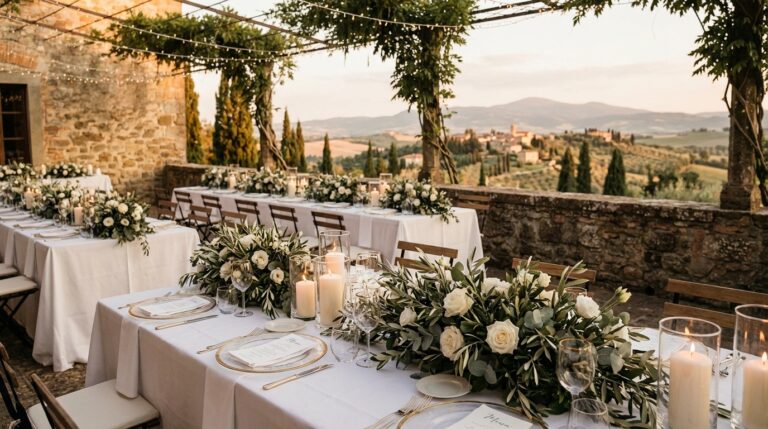
Chianti is soft. The arrangement of the land itself does the work: rows of vines receding into haze, an old stone farmhouse, a single umbrella pine catching the side light. The atmosphere of a Chianti vineyard at golden hour is amber and slow. For couples drawn to that warmth, a vineyard wedding in Italy offers backdrops that need almost no styling — the landscape is already a botanical set.
The production difference is real. A Florence gallery often requires city-centre permits and a tight portrait window squeezed between ceremony and reception. A Chianti gallery requires managing distance — vineyards are spread across hills, and the drive between a ceremony estate and a photogenic ridge can eat thirty minutes of fading light. Our team handles both scenarios so the couple never watches the sun set from inside a car.
If you would like to see how these settings sit within the wider region, our luxury guide to wedding venues in Tuscany maps the estates, the light, and the access realities of each.
Why the Val d’Orcia Gives You the Most Cinematic Tuscany Wedding Photos — and the Hardest Logistics
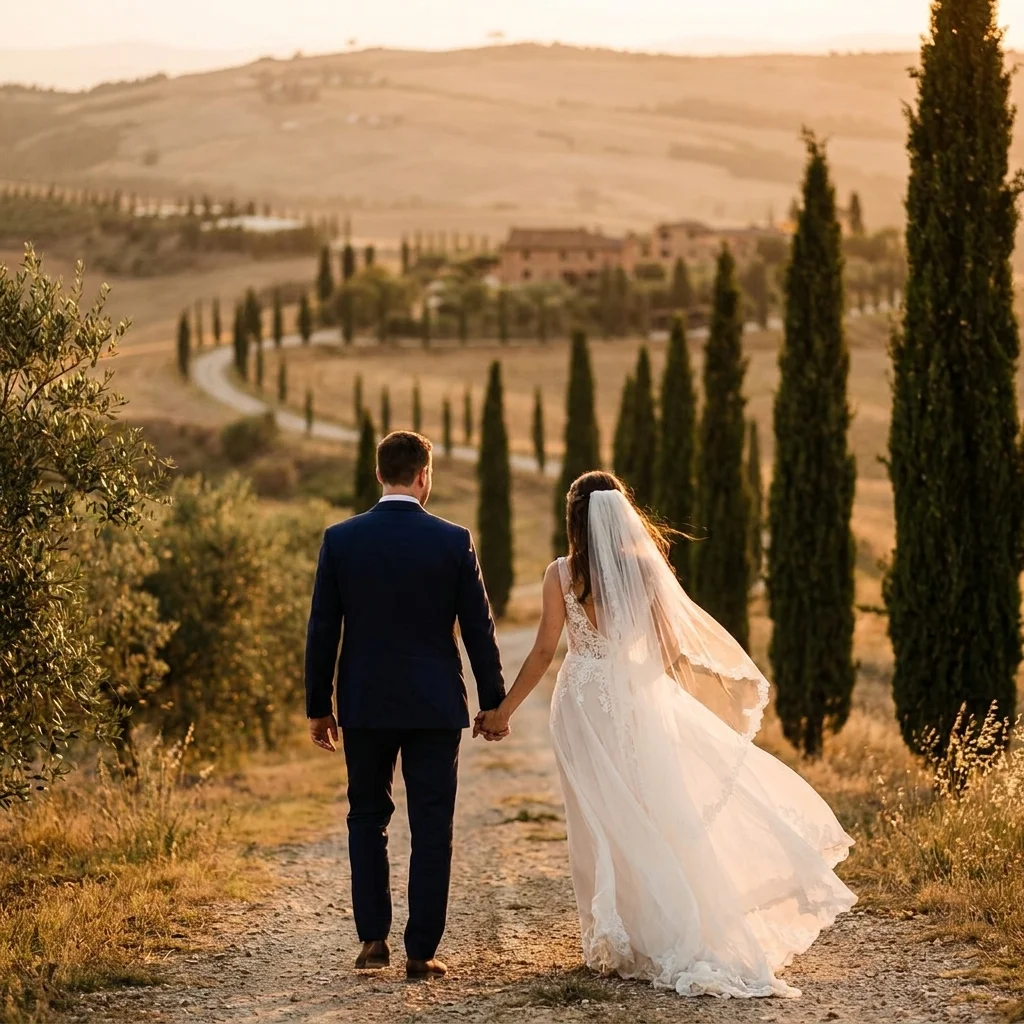
The Val d’Orcia is the image most couples carry in their heads before they ever contact us. The bare clay hills, the lone cypresses, the chapels standing alone in the open — this is the most cinematic landscape in Tuscany, and it produces the most editorial Tuscany wedding photos of any region.
It is also the most demanding. The iconic locations are not at your venue. They are scattered across protected agricultural land, often twenty to forty minutes from any reception estate, reached by single-lane gravel roads that turn to a fine pale powder in August. A couple in formal dress, a photographer, and a fading sun do not mix well with improvisation.
So we plan it as a portrait expedition. We identify the specific ridge, the specific tree line, the specific shade of late light we want — and we time the departure to the minute, with a vehicle suited to the road surface and a return window that protects the reception schedule. The result is a sequence that looks spontaneous and is, in fact, choreographed.
The seasonal texture matters enormously here. In late spring the clay is green and combed with young wheat. By late June it turns gold, then to bare ochre after harvest. The same hillside is three completely different photographs across three months. We advise on this when the date is still flexible, because the landscape itself is a styling decision. To discuss which season suits the gallery you have in mind, our team is reachable through a simple conversation about your dates.
The Golden-Hour Window That Most Couples Lose — and How We Protect It
This is the most technical part of curating Tuscan wedding photography, so I will be direct about the numbers.
In Tuscany, the warm, low, flattering light that defines an editorial gallery lasts roughly forty-five minutes before sunset. In June that places it around 8:20 pm; in September, closer to 7:00; in May, around 8:00. That window is non-negotiable and unrepeatable. Lose it to a long aperitivo or a delayed ceremony and the couple portraits move into flat dusk or harsh flash.
The conflict is structural. The most beautiful light arrives exactly when guests expect dinner to begin. We resolve this by building a fifteen-to-twenty-minute portrait pause into the reception flow — a quiet exit during the aperitivo or between courses — so the couple steps into the vines or onto the terrace at the precise moment the light catches. The guests barely notice. The gallery transforms.
Midday is the other constraint. Between late June and mid-August, outdoor portraits at noon are unkind: high contrast, squinting, and heat that wilts both florals and composure. We schedule ceremonies and key portraits to avoid that block entirely. For full-day galleries, the morning preparation light and the post-sunset blue hour bracket the day far more elegantly than the harsh middle. The detailed coordination behind editorial coverage — the staffing, the timeline, the second-shooter logic — sits within our broader approach to working with a wedding photographer in Italy.
Film vs Digital vs Drone: How Photo Style Becomes a Planning Decision
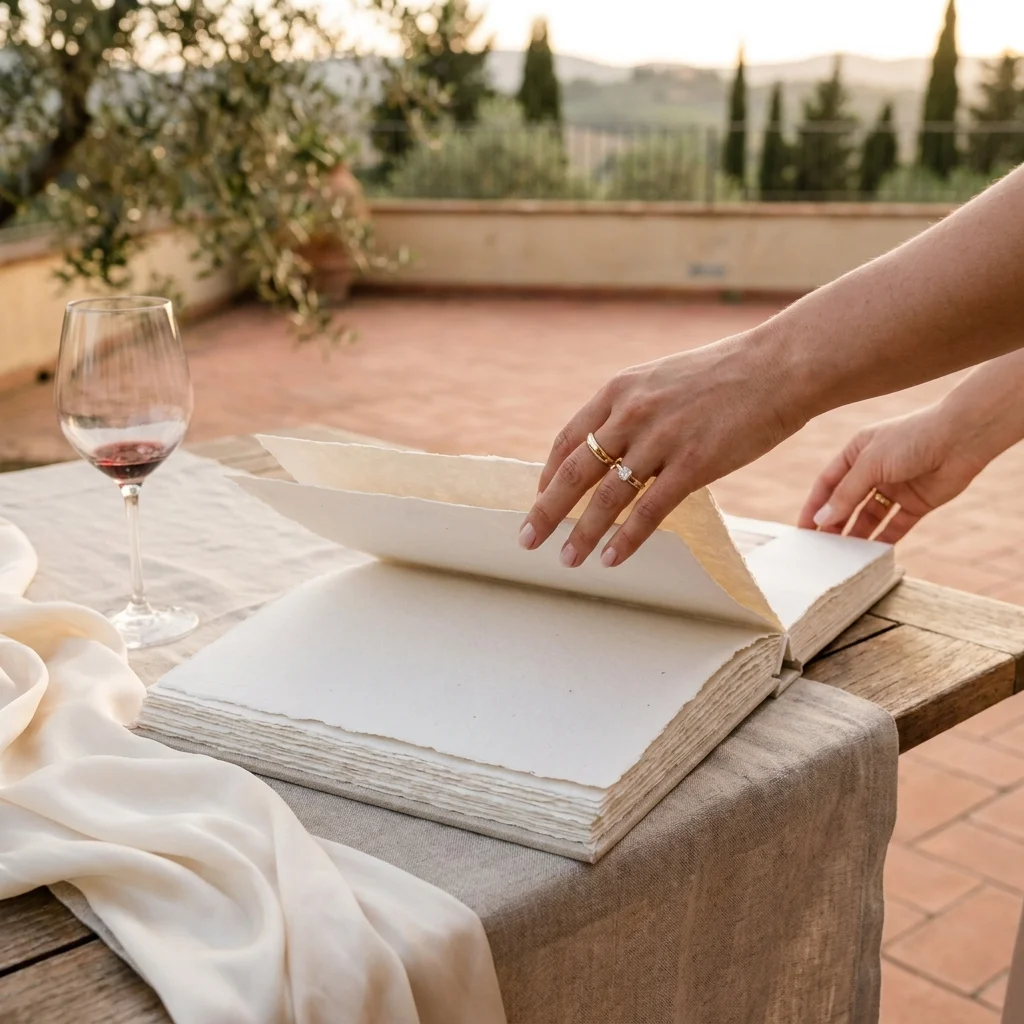
Couples often choose a photographer by portfolio alone. But the style they fall in love with carries logistical consequences that shape the timeline and the budget.
Film photography — fine-grain, soft, with that particular Mediterranean creaminess in skin and sky — requires more light and more patience. Frames are finite; the photographer works slower and more deliberately. It rewards a generous portrait window and adds a development-and-scan stage to the delivery timeline, typically extending it by several weeks.
Digital editorial coverage is faster and more flexible in low light, which suits candlelit receptions and longer days. Documentary coverage prioritises unposed moments and usually argues for a second shooter, so the ceremony and the guest reactions are captured simultaneously.
Drone wedding photos in Tuscany are the signature aerial shot — the couple alone on a cypress avenue seen from above. They are spectacular and tightly regulated. Aerial work requires a certified operator and authorisation, and is restricted near certain protected zones and flight paths. We confirm feasibility for each estate well in advance, so the drone sequence is either secured properly or replaced with an equally strong ground composition. Nothing is promised that cannot be flown. For couples planning a full-service celebration, our trusted wedding planning team in Italy ensures the photography team, permits, and timeline are coordinated as one seamless production.
Most refined galleries blend styles: digital through the day, film for the portraits, drone for two or three signature frames. We help couples assemble that combination and brief the right team — because the team that shoots flawless documentary candids is not always the same one that delivers painterly film portraits.
From Welcome Dinner to Farewell Brunch: Photographing the Whole Weekend, Not Just the Day
A Tuscan celebration is rarely a single day. The arrival dinner under strung lights, the ceremony, the long lunch, the farewell brunch in the garden — these form a continuous visual narrative, and the strongest galleries treat the weekend as one story. Across a multi-day weekend, the Tuscany wedding photos that couples return to most often are not always from the ceremony itself — they are from the quieter, unhurried moments in between.
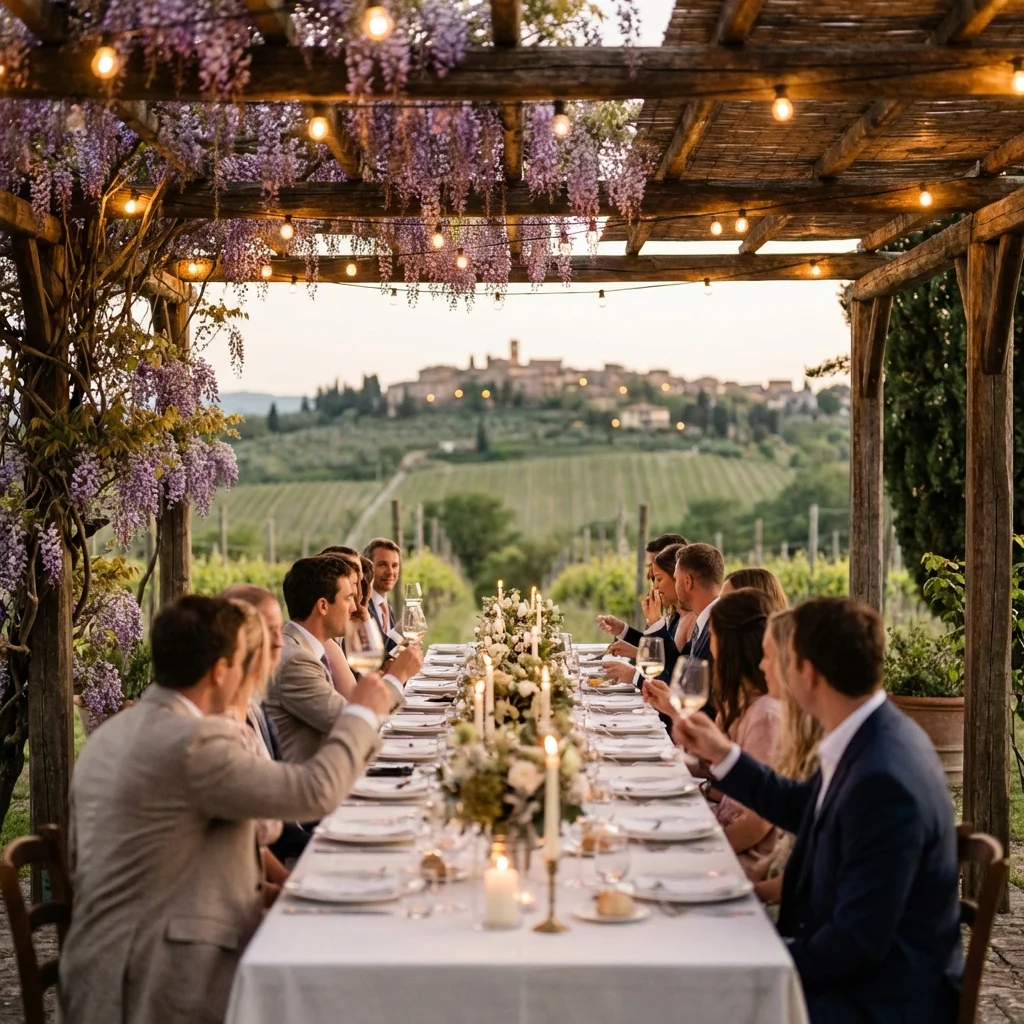
The welcome dinner has its own texture: warmer, more intimate, less formal. Foraged olive branches on a long table, the first glasses of wine, guests meeting for the first time. We often recommend lighter coverage here — a single shooter, a relaxed register — so the formal team arrives fresh for the wedding day itself.
The farewell moment is where the most tender Tuscany wedding photos often live. Soft morning light, no schedule, the couple finally unhurried. A post-wedding brunch in Italy photographs beautifully precisely because the pressure has lifted, and we coordinate the coverage so this closing chapter is captured rather than forgotten in the rush of departures.
Across the whole weekend, the connective tissue is transport and timing. Moving a photographer between a hillside dinner venue, a town ceremony, and a vineyard reception is its own quiet operation. Our familiarity with how a curated Italy wedding shuttle service threads guests and creative team through the hills means the photographer is always in position before the moment arrives — never chasing it.
What Tuscany Wedding Photography Prices Actually Include
Tuscany wedding photography prices are quoted as a base coverage fee plus clearly separated line items. The opacity couples encounter elsewhere usually comes from bundling. We prefer the opposite: every element named, so you know exactly what the figure buys.
| Coverage Level | Indicative Range | What It Includes |
|---|---|---|
| Half-day, single photographer | €1,800–€3,200 | Up to 6 hours, digital editing, online gallery. Excludes second shooter, album, travel, drone, VAT. |
| Full-day editorial, single photographer | €3,500–€6,500 | Preparation to first dances, digital post-production, curated online gallery. Excludes second shooter, film, drone, albums, travel, accommodation, VAT. |
| Full-day, lead + second shooter | €6,000–€9,500 | Two-angle ceremony and reception coverage, full post-production. Excludes film stock, drone, albums, travel, accommodation, VAT. |
| Multi-day weekend coverage | €9,000–€18,000+ | Welcome dinner, wedding day, farewell brunch, lead team. Excludes drone, albums, travel, accommodation, VAT. |
Indicative ranges. Contact Kiss Me Italy for a personalized proposal.
The separately quoted items deserve their own clarity, because they are where budgets quietly expand.
| Add-On | Indicative Range | Notes |
|---|---|---|
| Second shooter | €600–€1,400/day | Recommended for documentary coverage and 80+ guests. |
| Film photography supplement | €1,200–€3,000 | Includes stock, development, hybrid scanning. Extends delivery timeline. |
| Drone aerial coverage | €800–€2,000 | Certified operator and authorisation required; subject to flight restrictions per estate. |
| Fine-art album | €700–€2,500 | Hand-bound, linen or leather; design rounds included. |
| Travel & accommodation | Variable | Quoted per estate distance; remote Val d’Orcia locations may require an overnight. |
| VAT (IVA 22%) | Applied to total | Quoted explicitly on every proposal. |
Indicative ranges. Final quotes depend on date, location, coverage hours, team size, travel, accommodation, post-production, second shooter, albums, permits, and VAT. Contact Kiss Me Italy for a personalized proposal.
Post-production timelines vary by style. Digital galleries are typically delivered within six to ten weeks; film and hybrid work runs longer because of development and scanning. We confirm the delivery window in writing before the wedding, so the gallery never becomes an open question. For the wider financial picture of a Tuscan celebration, our at-a-glance guide to what a Tuscany wedding typically costs places photography within the full budget.
Why a Coordinated Team Produces Better Wedding Photos in Tuscany Than a Photographer Alone
A brilliant photographer cannot fix a timeline that fights the light, a portrait location no one secured access to, or a transfer that strands the couple in traffic at golden hour. The gallery is downstream of the planning. This is the single most important thing we tell couples researching Tuscan wedding photography.
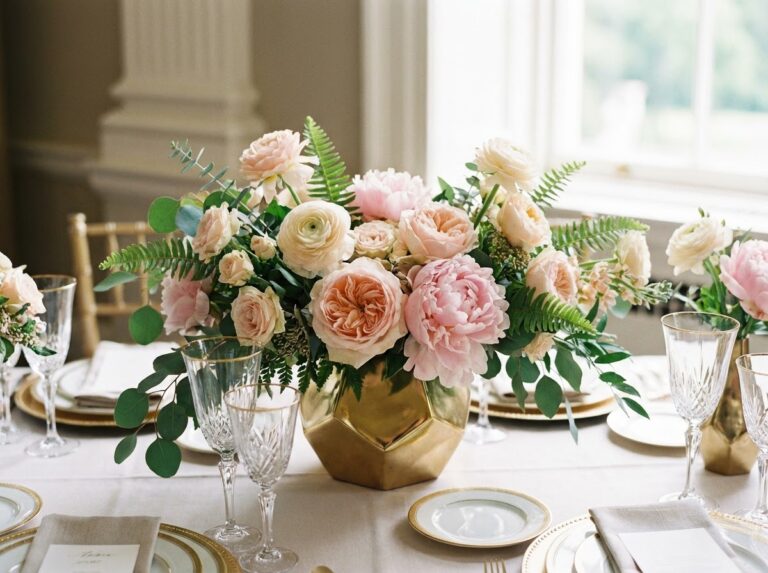
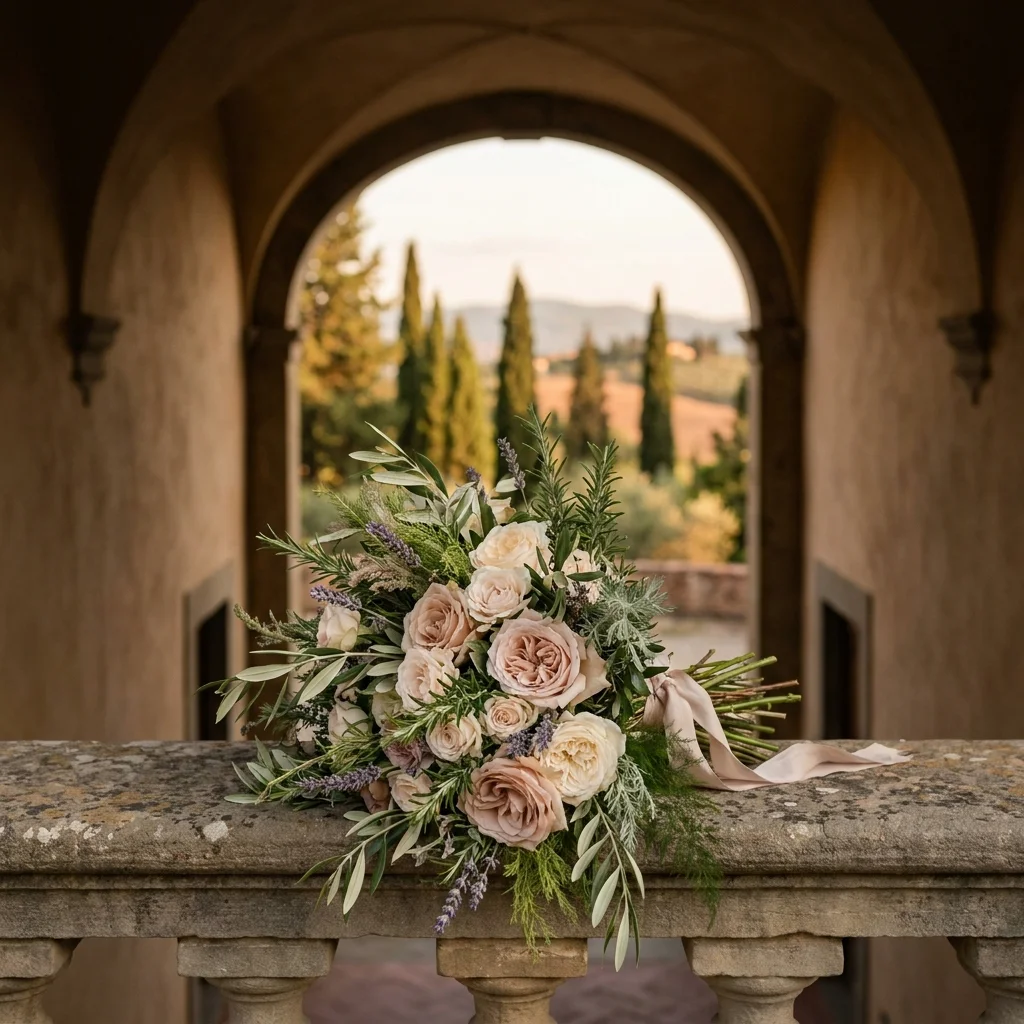
When our team curates the celebration, the photographer inherits a day designed around the images: ceremony timed to the light, portrait pauses built into the flow, vehicles matched to gravel roads, permits confirmed, florals at peak freshness for the close-ups. Our approach to seasonal, tactile design means the botanical details — the foraged greenery, the particular bloom in season — are already photographic before the lens finds them. This is also why we keep venue naming discreet. The most exquisite estates we work with are private, and part of what we curate is access that is not on any public list. Famous settings like the terraces above Florence have their place; so do walled hillside gardens we describe only to clients. Our standards as one of the most trusted wedding planners in Italy include protecting that exclusivity.
Within the wider regional portfolio — from the coast to the Apuan light — our luxury Tuscany and Versilia guide shows how location and production decisions compound into a coherent visual identity. And for couples drawn specifically to the Renaissance city, our guide to why Florence works for a destination wedding details the access and timing that make city galleries possible. When you are ready, we begin with a conversation about the gallery you imagine.
The Gallery You Receive, Without the Logistics You Don’t See
Beautiful Tuscany wedding photos are not luck. They are the visible result of an invisible plan — light secured, distances managed, the right team briefed, the season chosen with intent. The couple receives an elegant, editorial gallery and remembers only the moments, never the coordination behind them.
That is the work we do quietly: Florence wedding photos framed in cool stone light, Chianti vineyard portraits in amber haze, Val d’Orcia ridges captured at the exact minute the sun sits low. Each curated, each managed, each protected from the logistics that would otherwise consume the day. Whenever you wish to begin, our team is here to design it with you.
Frequently Asked Questions
Can we bring a photographer from our home country and use your team only for coordination?
Yes. Many couples arrive with a photographer they love, and we coordinate the timeline, access, permits, and transport around that person. We brief them on local light windows, gravel-road logistics, and venue restrictions so they can focus entirely on the images rather than the operational unknowns of a region they don’t know.
What happens to our outdoor portraits if it rains on the wedding day?
We build a weather contingency into every Tuscan photography plan, identifying covered loggias, stone interiors, and characterful indoor settings at or near the venue in advance. Rain on Tuscan clay also produces a deep, saturated landscape that photographs beautifully under the right direction, so the contingency is rarely a compromise — simply a different mood.
How early do we need to confirm a specific photographer for a peak-season Tuscan date?
The most sought-after photographers for May, June, and September dates are frequently booked twelve to eighteen months ahead. We recommend securing your photographer as soon as the venue and date are confirmed, and we hold preliminary availability with several creative teams while the rest of the celebration takes shape.
Who owns the images after delivery, and can we use them freely?
You receive full personal usage rights to every image in your gallery — printing, sharing, framing, and gifting are all unrestricted. Commercial licensing, such as use in advertising or publication for third parties, is a separate conversation with the photographer. We clarify the exact licence terms in writing before the wedding so there is no ambiguity after delivery.
Does the photography timeline change for a symbolic ceremony versus a religious one?
Yes, meaningfully. A civil or symbolic ceremony is typically shorter and more flexible in structure, which allows us to schedule it with greater precision around the light. A religious ceremony — particularly a Catholic Mass — follows a fixed liturgical order that can run sixty to ninety minutes, and the photographer must work within the church’s own rules on movement and flash. We adjust the portrait schedule and golden-hour window accordingly for each ceremony type.
How many edited images should we expect, and who selects them?
A full Tuscan wedding day typically yields between 400 and 700 fully edited images, depending on coverage hours and team size. The photographer curates the final selection for consistency and quality, and we confirm the expected count and delivery format in writing before the wedding so there are no surprises.
How do you handle family portrait lists when guests are travelling from multiple countries?
We build the family portrait schedule in advance using a structured list you provide, grouping combinations logically to minimise the time guests spend waiting. For international groups where family members may not know one another, we assign a coordinator on the day to gather each group — so the photographer can move efficiently through the list without the couple acting as a social director during what should be a relaxed moment.
Is it worth adding a videographer alongside the photographer, and does it affect the timeline?
Many couples value both, and a film and a photo team can work in parallel without lengthening the day when coordinated properly. We brief them together so they share angles rather than block one another, and we slightly extend the golden-hour portrait window when both teams need it for couple footage.
Can you arrange a relaxed next-morning photo session after the wedding?
Yes, and these sessions often produce the most intimate images of the entire weekend. With the formal day behind them, couples are unhurried in the soft morning light, and we coordinate a short, private session in the garden or vineyard — typically thirty to sixty minutes — as part of multi-day coverage.